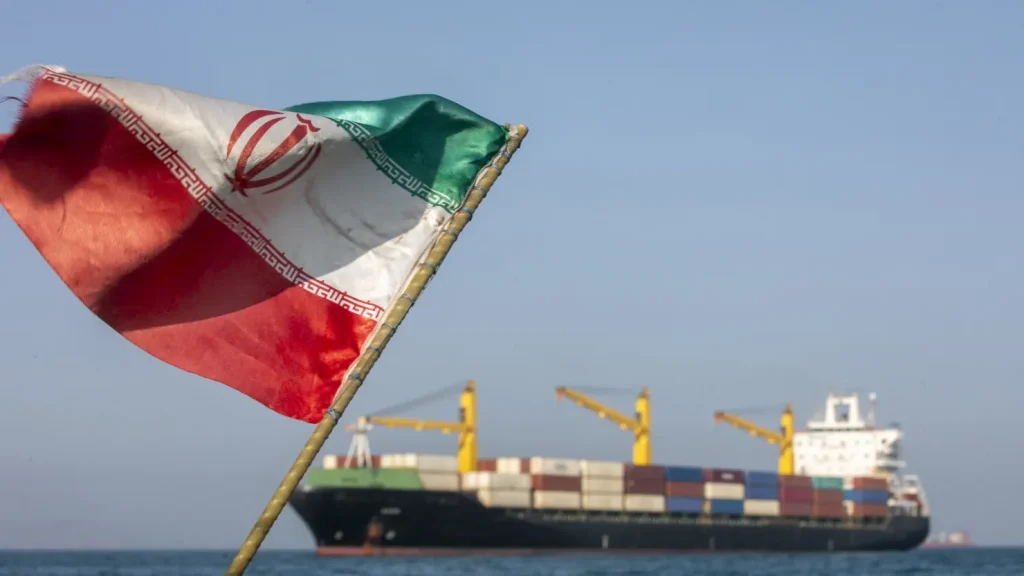

In Iran, many citizens fear that the ruling establishment has become stronger and more deeply rooted despite months of conflict, protests, and political unrest. While some had hoped that war and internal pressure might weaken the system, people inside the country now say the opposite appears to be happening.
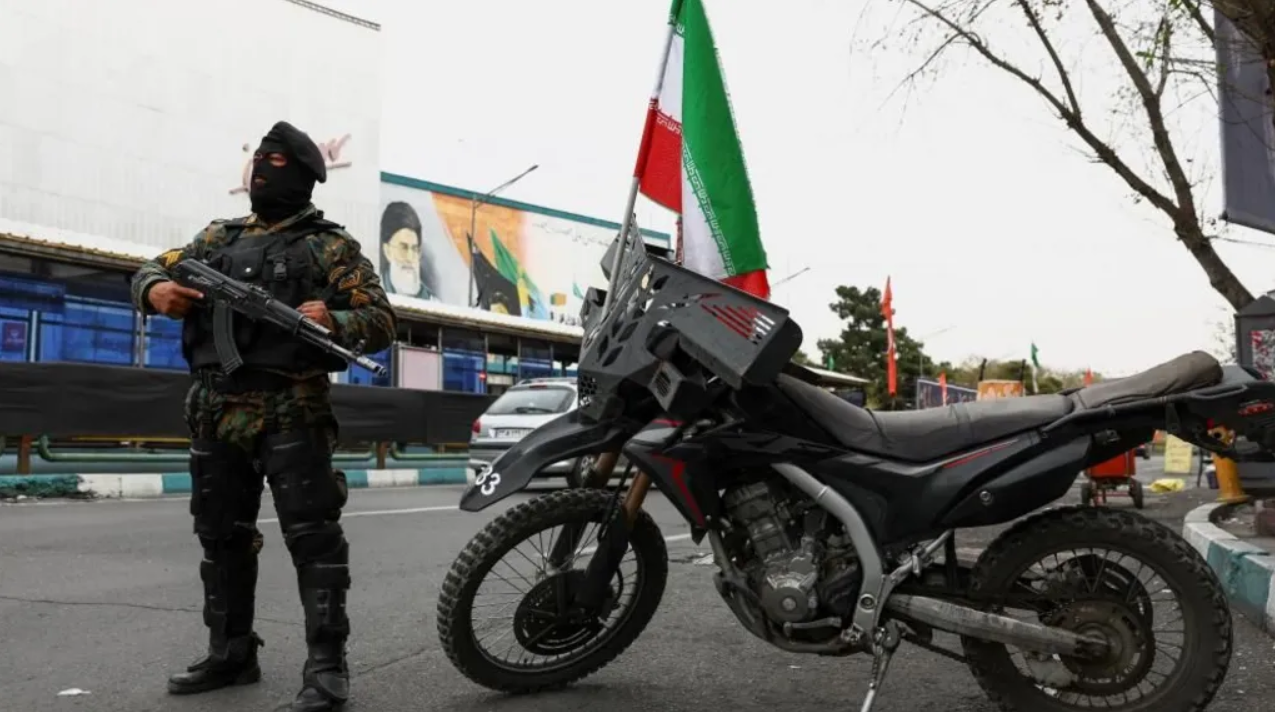
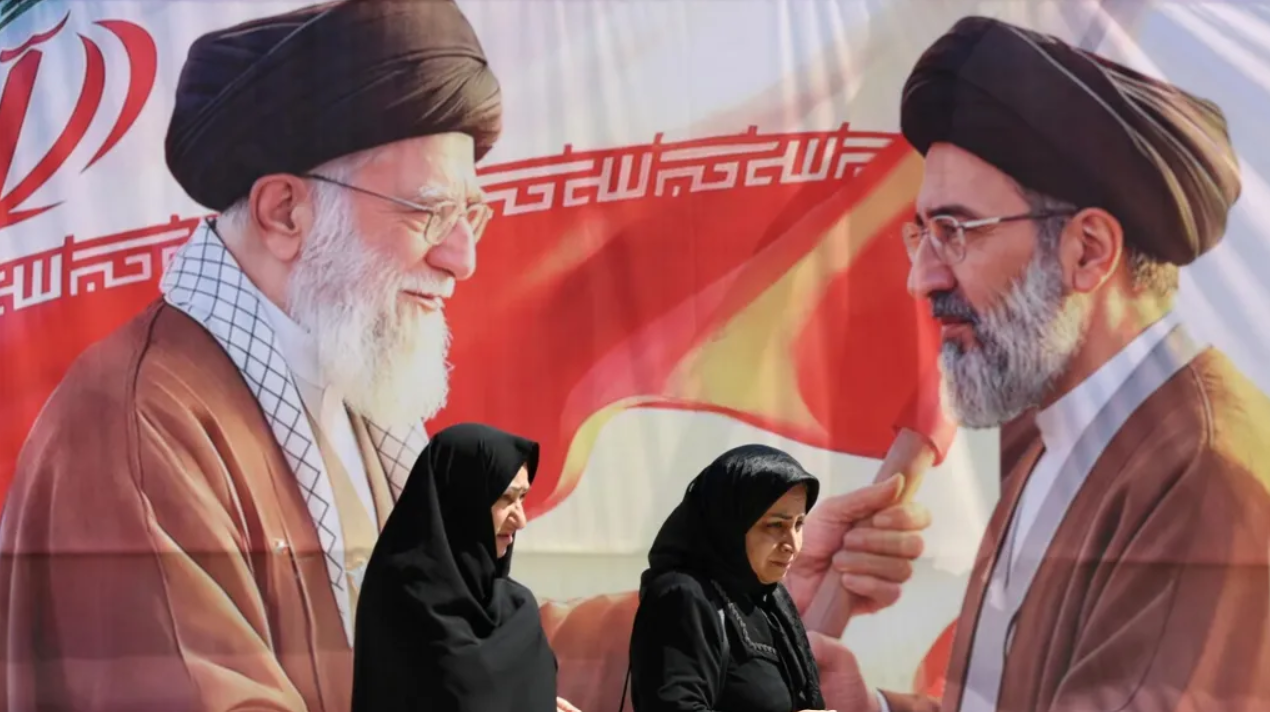
Residents describe a visible and constant presence of authority in daily life. Images of fallen leaders and new figures dominate public spaces, reinforcing the sense that the system remains firmly in control. Even after protests and a recent ceasefire, the government continues to maintain a strong grip on power.
Some citizens who spoke anonymously shared concerns that the state is becoming more aggressive and could seek revenge against perceived opponents. A young couple in Tehran expressed mixed emotions. While one remained hopeful that conditions might improve, the other believed the situation had worsened significantly, saying the country feels increasingly controlled by powerful military-linked institutions.
During the conflict involving United States and Israel, some initially thought targeted strikes on senior leadership might lead to major political change. However, as the war continued, it became clear that key structures of power remained intact. For many, this realization has brought disappointment and fear about the future.
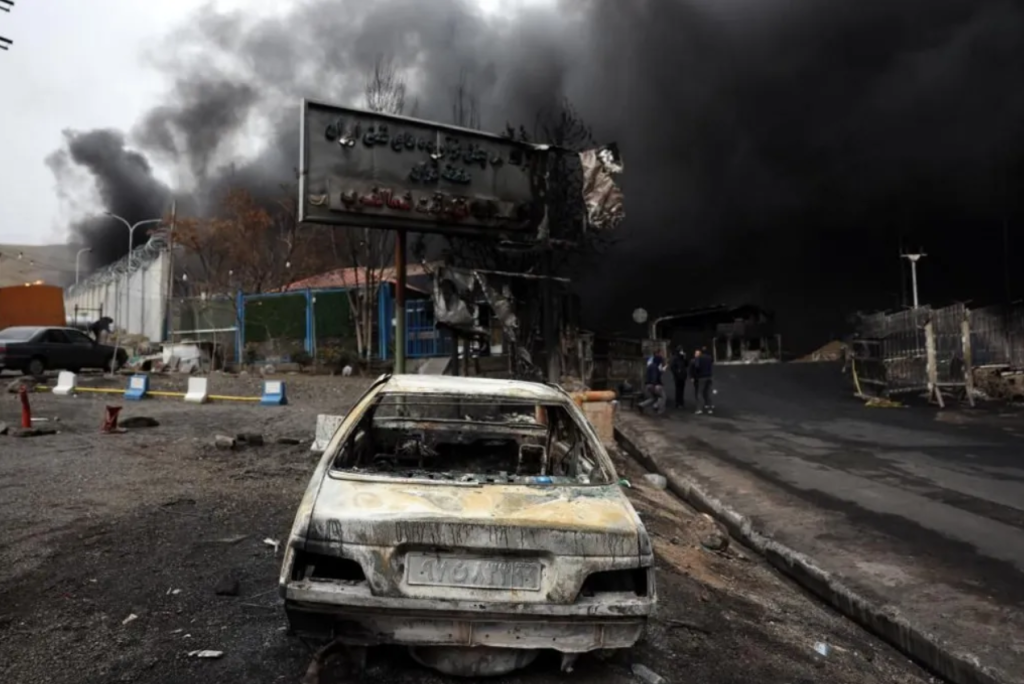
Human rights groups report a sharp rise in arrests even before the war began, with tens of thousands detained during anti-government protests. Since the conflict started, thousands more are believed to have been arrested. Reports also indicate a surge in executions, including individuals accused of political opposition or espionage.
Legal experts and activists say prison conditions have become harsher, with stricter treatment now extending beyond protest leaders to a wider group of detainees. There are growing concerns that once tensions ease, authorities may intensify internal crackdowns further.
The situation is also affecting families, with political divisions creating deep personal conflicts. Some individuals fear that even relatives could become targets depending on their views or affiliations.
Journalists inside the country are particularly vulnerable. Reporting on the war or political developments can lead to accusations of espionage, which carry severe penalties. Many now say their primary concern is safety rather than reporting freely.
Public opposition has largely disappeared from the streets, as demonstrations are heavily restricted. Meanwhile, government supporters continue to hold organized rallies, creating an uneven picture of public sentiment.
Overall, uncertainty dominates life for many in Iran. Citizens describe living with anxiety about what comes next, especially if the government decides to respond to recent events with even stricter control measures. The sense among many is that, rather than weakening, the system has emerged more determined to maintain its authority.