
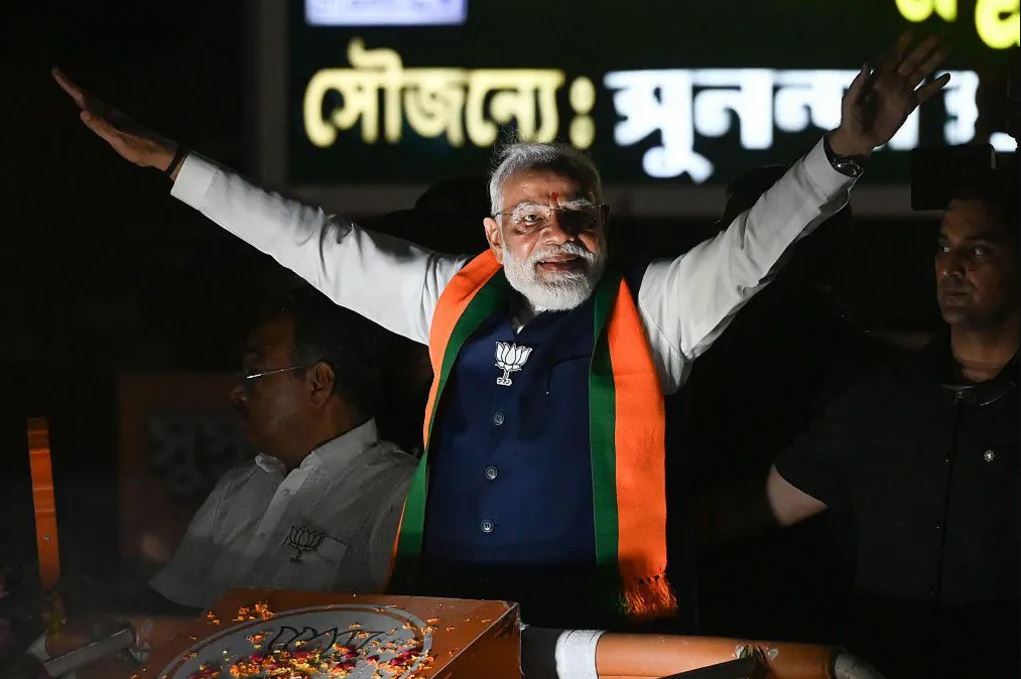

BJP Wins West Bengal, Ending One of India’s Most Resistant Political Strongholds
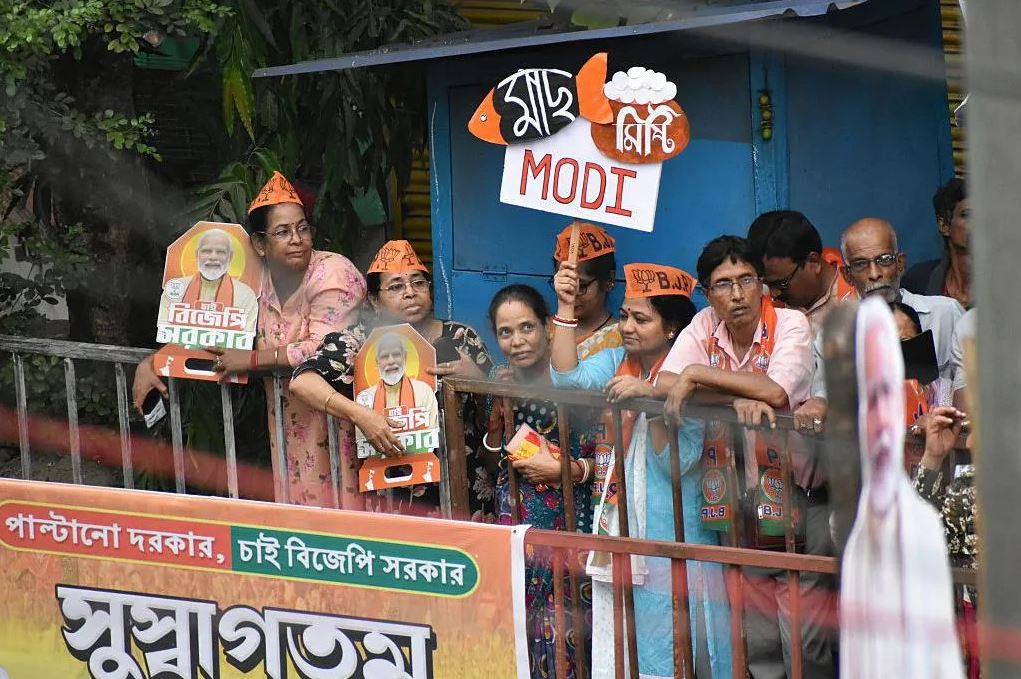
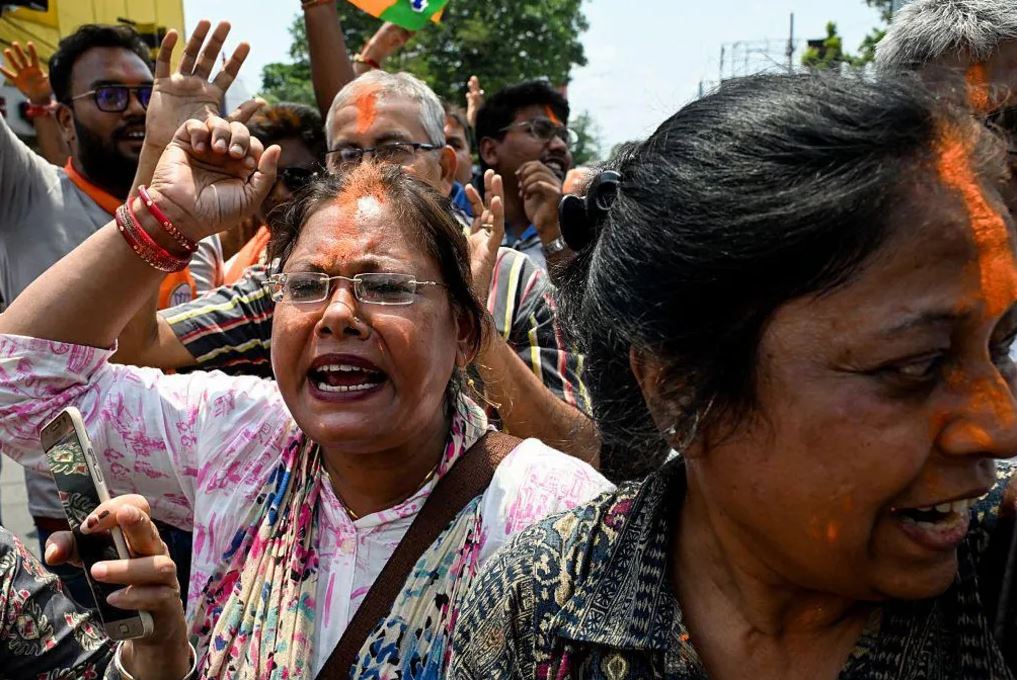
India’s ruling Bharatiya Janata Party (BJP), led by Prime Minister Narendra Modi, has secured a landmark victory in West Bengal, one of the country’s most politically complex and resilient states.
For years, West Bengal remained a rare exception to the BJP’s growing national dominance. While the party expanded rapidly across India’s Hindi-speaking heartland and other regions, the eastern state resisted its political influence. That resistance has now been broken in what analysts describe as one of the most significant electoral shifts in recent Indian political history.
With a population exceeding 100 million, West Bengal’s electorate is larger than that of many major countries, making its election outcome politically symbolic and strategically important.
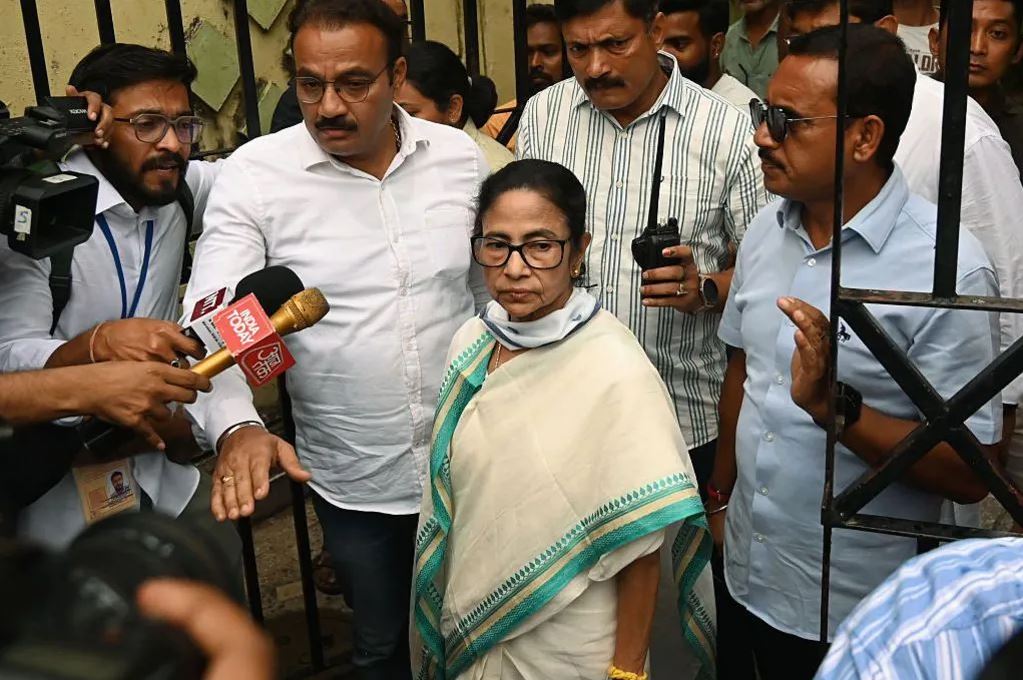
A Decades-Long Political Stronghold Shifts
West Bengal has long been defined by strong regional political identities. After 34 years of Communist rule under the Left Front, the state was governed for 15 years by the Trinamool Congress (TMC) led by Mamata Banerjee. Political observers have often described the state as favouring dominant “hegemonic” parties.
The BJP’s victory marks its first decisive breakthrough in a state that had previously remained out of reach despite years of sustained campaigning and growing vote share.
Analysts note that the party’s support had steadily risen over multiple election cycles, hovering around 39% before crossing the threshold needed for victory in this election.
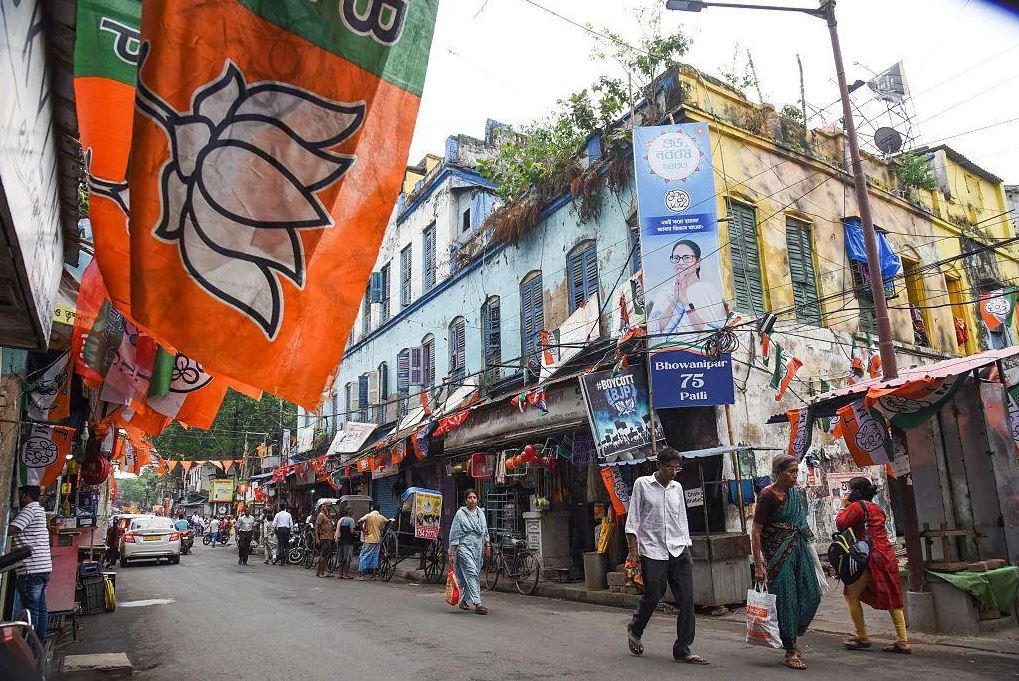
Campaign Strategy and Voter Shift
Political experts attribute the BJP’s success to a combination of expanded welfare promises, anti-incumbency sentiment, and strategic consolidation of Hindu votes.
The party directly challenged the TMC’s long-standing welfare appeal, particularly among women voters, by offering increased cash transfers and social support schemes.
At the same time, governance concerns, corruption allegations, and political fatigue reportedly contributed to weakening support for the ruling party.
Electoral Roll Controversy and Political Tensions
The election was also overshadowed by controversy surrounding revisions to voter lists, with allegations from opposition leaders and activists claiming that the process may have disproportionately affected marginalized communities.
The Election Commission maintained that the revision aimed to remove duplicate and ineligible entries, but the issue is expected to remain politically sensitive in closely contested regions.
National Political Implications
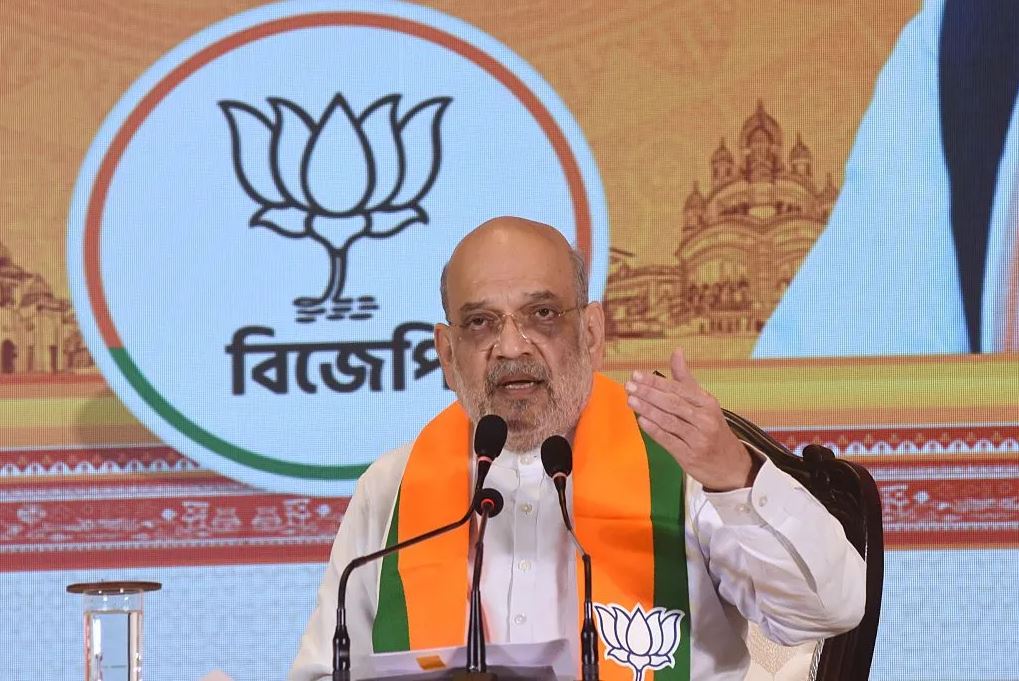
The BJP’s victory in West Bengal is expected to have far-reaching implications for India’s political landscape. Analysts suggest it strengthens the position of the party’s top leadership and further consolidates its national reach.
Observers also note that the win could influence internal leadership dynamics within the BJP, reinforcing the roles of key figures involved in the campaign.
A Turning Point in Indian Politics
West Bengal’s political shift marks a significant moment in India’s evolving electoral map. A state long known for resisting national political waves has now become part of the BJP’s expanding footprint.
Political analysts say the result may represent not only a change in state leadership but also a broader transformation in India’s political balance.