
Trump’s hopes for Iran peace deal face uncertainty amid mixed signals from talks
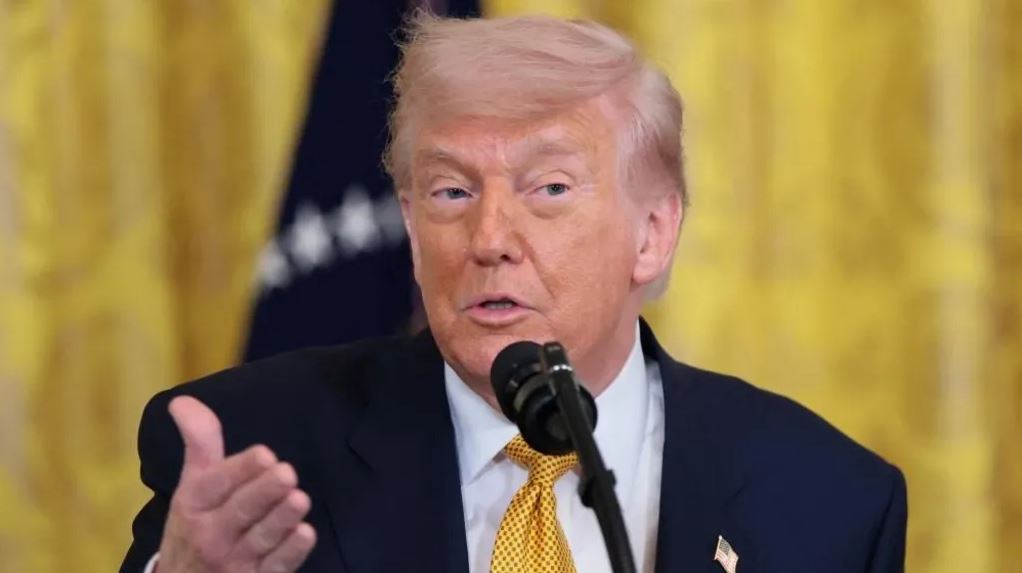
US President Donald Trump’s optimism over a possible Iran peace deal has been met with growing caution, as diplomatic signals from Washington, Tehran, and mediators remain inconsistent.
Trump recently paused a short-lived initiative dubbed “Project Freedom,” which was designed to secure maritime passage through the Strait of Hormuz. The move came as he suggested progress was being made toward what he described as a “Complete and Final Agreement” with Iran.
The announcement initially eased oil markets and raised expectations of a potential breakthrough in the Gulf conflict. However, those expectations were quickly tempered by conflicting statements from US officials and the president himself.
Iran has confirmed it is reviewing a new proposal from Washington. Reports in US media suggested that both sides were nearing a one-page memorandum aimed at ending hostilities, followed by broader negotiations on sanctions relief, nuclear restrictions, and maritime security in the Strait of Hormuz.
A source involved in mediation efforts told Reuters that discussions were “getting close” to a possible agreement.
Despite this, Trump later struck a more cautious tone, warning that if no deal is reached, military action could resume at a “much higher level and intensity than before.”
The White House has also offered mixed messaging. While US Secretary of State Marco Rubio recently said that Operation Epic Fury, the US-led military campaign against Iran, had ended, Trump continued to stress that a deal was not guaranteed.
“I felt that way before with them. So we’ll see what happens,” Trump said in a telephone interview with PBS, adding that sending US envoys for further talks in Islamabad was “unlikely.”
Reports from Axios and Reuters suggest the proposed framework would be a brief memorandum outlining a path toward ending the conflict, with later negotiations addressing nuclear enrichment, sanctions, and reopening the Strait of Hormuz.
However, skepticism remains strong on both sides. Iranian officials dismissed reported US proposals as a “wish list,” while warning that Tehran remains prepared for escalation if concessions are not met.
Experts also caution that even if a preliminary agreement is reached, a full deal would require extensive technical negotiations.
Foreign policy analyst Grant Rumley noted that while the administration appears to believe progress is possible, similar negotiations in the past have collapsed at advanced stages due to unresolved disagreements.
Historical precedent also supports caution. The 2015 Iran nuclear agreement took over 20 months of detailed negotiations before final terms were agreed.
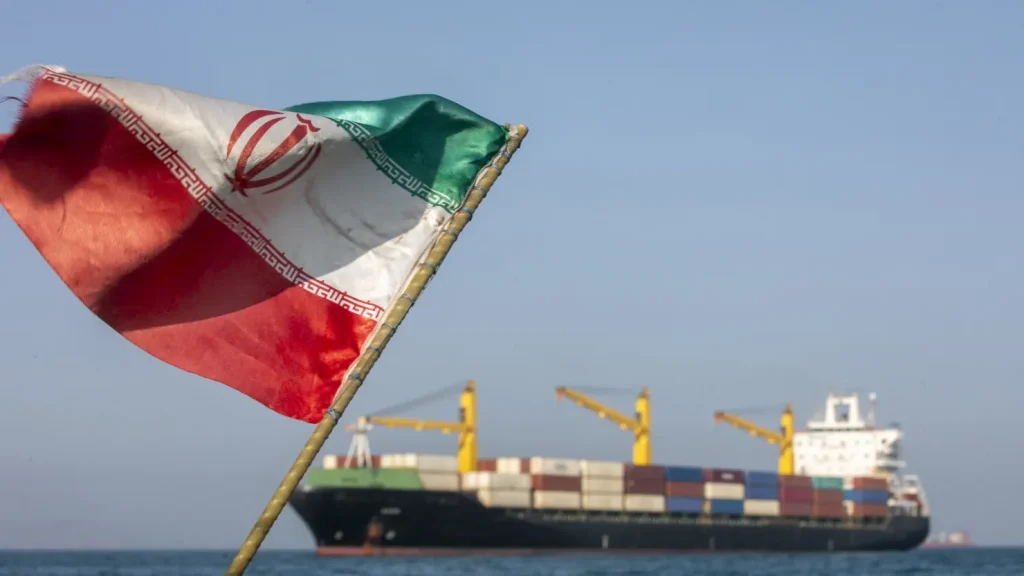
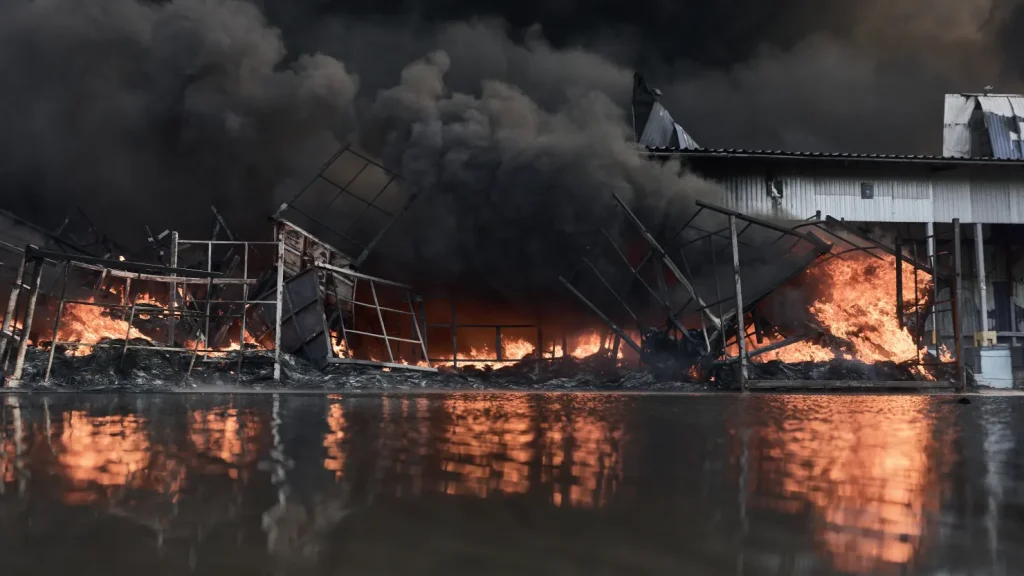
The situation is further complicated by ongoing tensions in the Gulf region, including disruptions to shipping routes through the Strait of Hormuz, a critical global oil transit corridor.
Analysts suggest that Trump’s “Project Freedom” initiative had limited immediate impact, with shipping activity remaining constrained. Some experts believe Iran’s response to the initiative may have influenced its temporary suspension.
Despite diplomatic activity, uncertainty continues to define the situation, with both sides signaling openness to negotiation while simultaneously preparing for potential escalation.