
UK travellers urged not to cancel flights despite jet fuel concerns
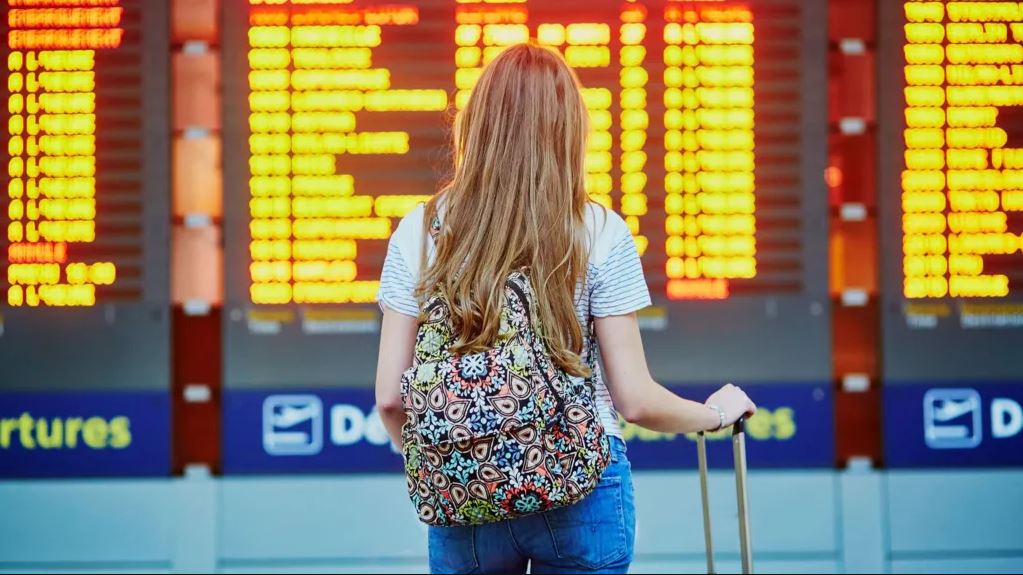
Holidaymakers in the UK are being advised not to cancel or change their travel plans amid concerns over jet fuel shortages, as authorities confirm there is currently no disruption to supply.
The UK government has reassured passengers that airlines are operating as normal, with contingency measures in place to handle any potential impact from rising fuel prices linked to ongoing tensions in the Middle East.
According to aviation data firm Cirium, around 13,000 flights were cancelled globally in May due to increasing jet fuel costs. However, this represents only about 1% of total global flights, with UK routes largely unaffected.
The Department for Transport (DfT) stated there is “no need” for passengers to alter their travel plans, noting that airlines typically purchase fuel in advance and airports maintain sufficient reserves.
“UK airlines buy jet fuel in advance, and airports maintain stocks to support their resilience,” the department said. It also reminded travellers of their rights in case of cancellations, including refunds or alternative arrangements.
Airlines and travel industry representatives have echoed this reassurance. Tim Alderslade, chief executive of Airlines UK, confirmed that no flights are being cancelled due to fuel shortages and that airlines plan to operate full schedules during the busy summer period.
Travel trade body Abta also stated that flights are continuing as normal, with passengers still departing for holidays without disruption. Officials expect upcoming travel periods, including the May half-term holidays, to proceed as planned.
While some global hubs such as Munich and Istanbul have seen higher disruption levels, UK routes—particularly to popular summer destinations—remain stable.
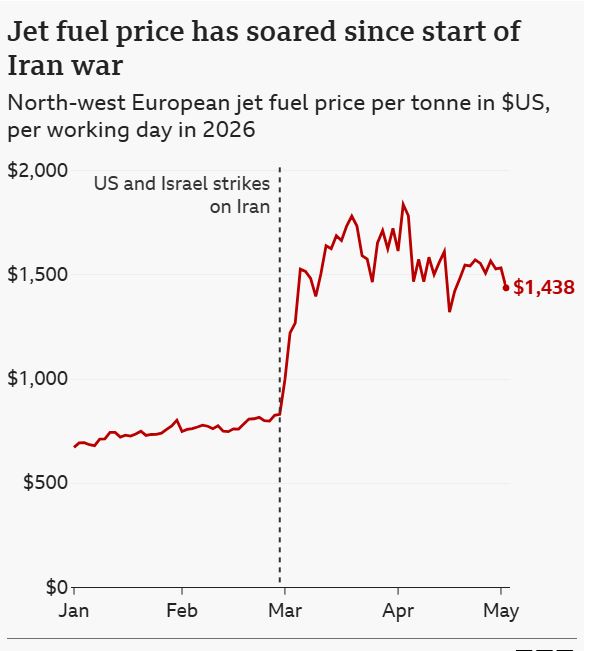
Jet fuel prices have surged significantly since the start of the conflict in the Middle East, more than doubling in recent months. This has prompted some airlines to adjust schedules and increase ticket prices, particularly on long-haul routes.
Major carriers including Air France, KLM, Air Canada, Delta, and SAS have reduced some services, while Lufthansa has announced plans to cut 20,000 flights between now and October.
However, budget airlines such as Wizz Air and easyJet have indicated they do not expect widespread cancellations, with some even lowering fares to attract travellers.
The UK government has also introduced temporary measures to help airlines manage fuel efficiency. These include allowing airlines to consolidate flights or cancel services in advance without losing valuable airport slots.
Transport Secretary Heidi Alexander described the situation as “evolving” but expressed confidence that most travellers would experience minimal disruption this summer.
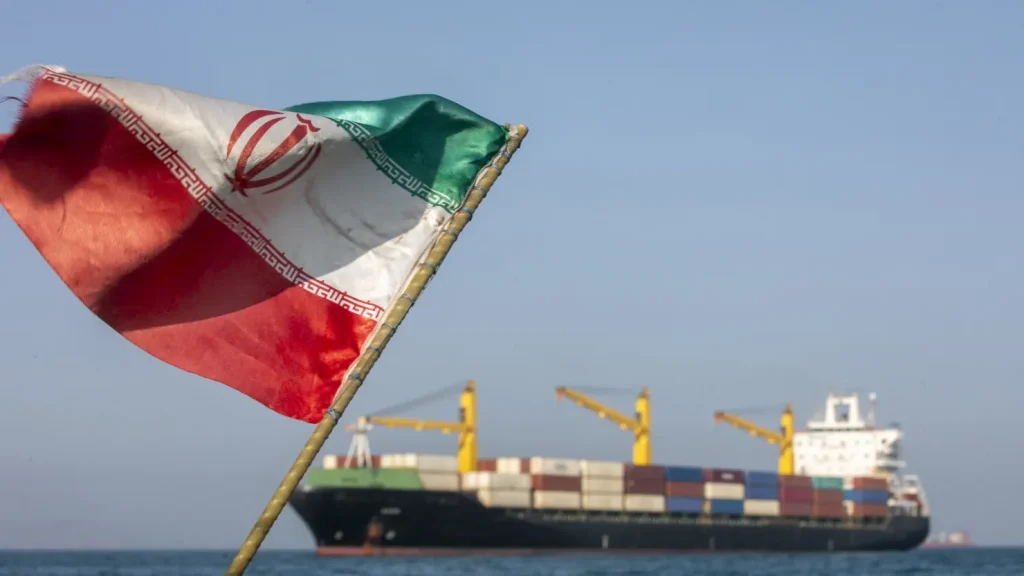
Despite global supply concerns, the UK continues to maintain stable fuel availability. However, the closure of the Strait of Hormuz—a key global energy route—remains a factor contributing to uncertainty in international fuel markets.
Passengers are advised to check flight details with airlines before travel and ensure they have appropriate travel insurance.