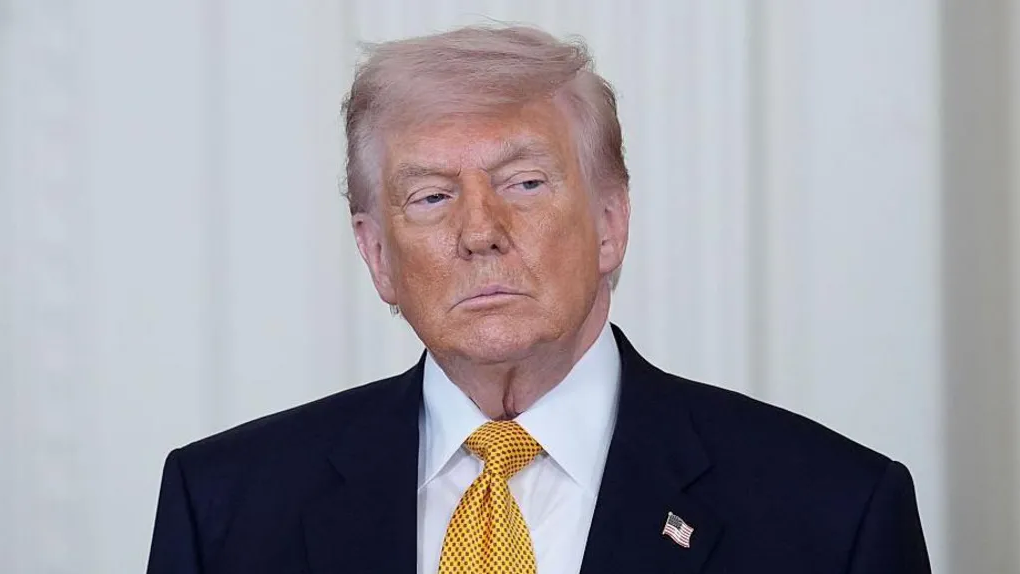

Donald Trump has strongly rejected Iran’s latest response to a US proposal aimed at ending the ongoing conflict in the Middle East, calling Tehran’s reply “totally unacceptable”.
According to Iran’s semi-official Tasnim news agency, Tehran sent its response through Pakistani mediators and proposed several conditions for a final agreement. Iran reportedly demanded an immediate end to the war on all fronts, a halt to the US naval blockade on Iranian ports, compensation for war damages, and guarantees that no further attacks would be launched against the country.
A ceasefire introduced last month to support negotiations has mostly held despite occasional clashes and military exchanges.
Trump reacted sharply on Truth Social, writing that he had reviewed Iran’s response and did not accept it. Earlier this week, he had predicted that the war would be “over quickly” if an agreement could be reached.
US outlet Axios reported that Washington’s original one-page, 14-point proposal included conditions such as suspending Iranian nuclear enrichment, easing sanctions and restoring free navigation through the Strait of Hormuz. The report stated that many terms would only take effect after a broader final agreement.
Meanwhile, Benjamin Netanyahu said Iran’s enriched uranium stockpile must be completely removed before the conflict can truly end. In an interview with CBS, he stated that Iran’s enrichment facilities still needed to be dismantled.
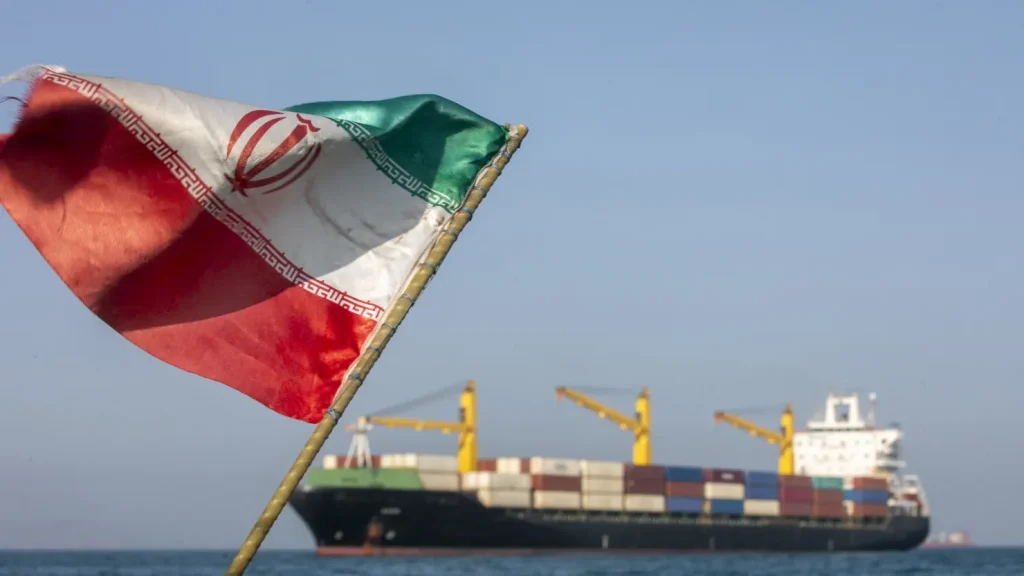
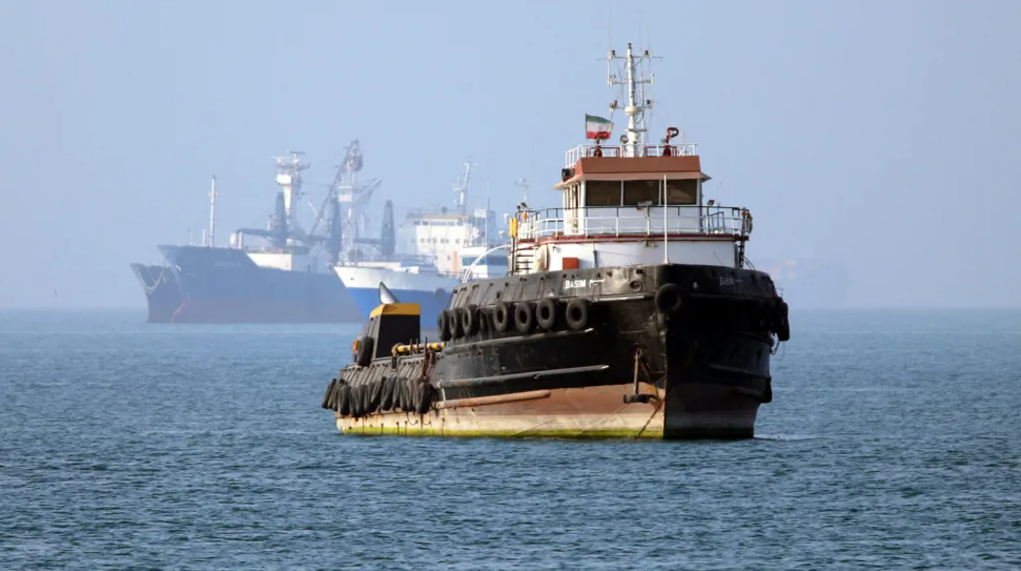
Iran has continued to maintain restrictions in the Strait of Hormuz, through which nearly 20% of the world’s oil and liquefied natural gas normally passes. The disruption has contributed to rising global oil prices and increased concerns over international shipping security.
Iranian officials also warned neighboring Gulf states against cooperating with US sanctions or naval operations. Military spokesman Mohammad Akraminia warned vessels crossing the strait could face “severe consequences” if they failed to coordinate with Tehran.
The United States continues to maintain a strong military presence across the Gulf region, including bases in Qatar, Bahrain, Kuwait, United Arab Emirates, Saudi Arabia and Oman.
The United Kingdom and France are also discussing plans for a future maritime security mission to protect commercial shipping once fighting ends. Iran, however, has warned it would respond immediately to any foreign military deployment in the strait.
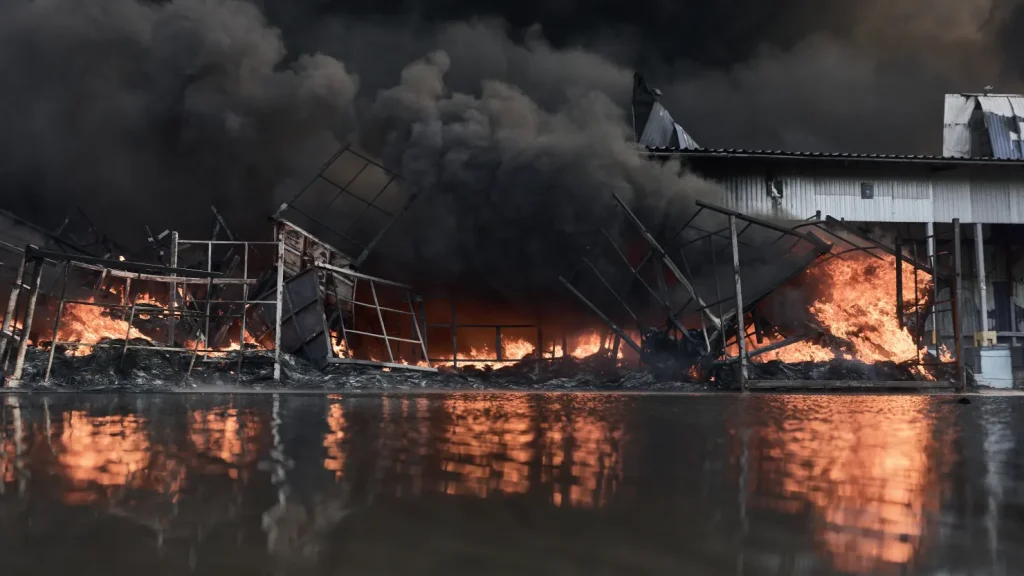
The conflict began after large-scale US and Israeli strikes on Iran in late February and has since expanded into a broader regional crisis involving shipping disruptions, drone interceptions and growing diplomatic pressure.