
Donald Trump and Xi Jinping End Beijing Summit With Warm Words but Few Confirmed Deals
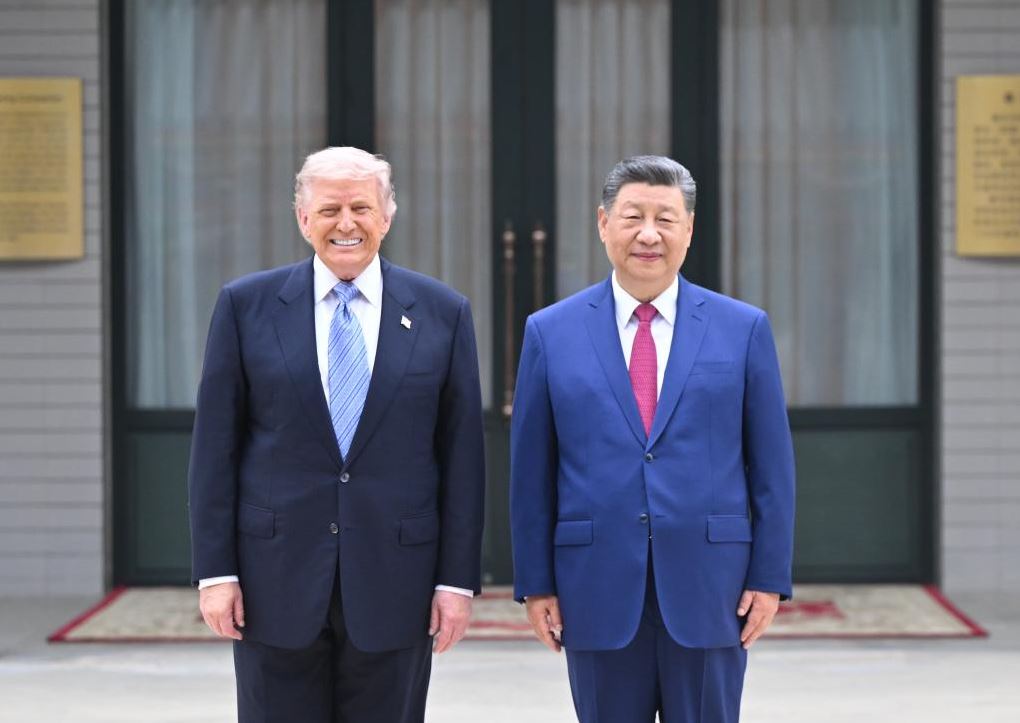
US President Donald Trump concluded a two-day summit in Beijing with Chinese President Xi Jinping, describing the discussions as “very successful” and claiming that major trade agreements had been reached between the world’s two largest economies.
Despite the optimistic tone from both sides, no significant trade breakthroughs or business deals were officially confirmed following the talks.
Trump arrived in China accompanied by a delegation of top American business leaders representing sectors including agriculture, aviation, artificial intelligence, and electric vehicles. The visit came at a critical moment as Washington and Beijing continue efforts to stabilise economic ties following months of trade tensions and geopolitical disputes.
Trade discussions dominated the summit agenda, particularly as the current tariff truce between the two countries is set to expire in November.
Speaking to reporters aboard Air Force One, Trump claimed China had agreed to purchase 200 Boeing aircraft, with the possibility of an additional 750 planes in future agreements. He also said China would buy billions of dollars’ worth of American soybeans, which he said would benefit US farmers.
However, Chinese officials did not publicly confirm any aircraft or agricultural purchase agreements.
If finalised, the Boeing deal would represent the company’s first major agreement with China in nearly a decade after years of strained trade relations limited access to the Chinese market.
Chinese President Xi Jinping described the visit as “historic and landmark,” while Chinese Foreign Minister Wang Yi confirmed that Xi is expected to visit the White House later this year for another summit.
The visit featured symbolic diplomatic gestures, including a state banquet, military honours, and an invitation for Trump to visit the exclusive leadership compound where China’s Communist Party leaders reside.
Technology and artificial intelligence also emerged as major discussion points during the summit. Tesla CEO Elon Musk and Nvidia CEO Jensen Huang were part of the high-profile US delegation, underscoring the growing importance of semiconductors, AI, and electric vehicles in US-China relations.
Trump said both countries discussed the possibility of co-operating on AI “guardrails,” although he provided few details.
Meanwhile, Chinese officials continued to push for broader access to advanced technology while criticising US export controls that restrict China’s access to cutting-edge AI chips.
Taiwan also emerged as a key issue during the talks. According to Chinese state media, Xi warned Trump that Taiwan remains the “most important issue” in China-US relations and cautioned that mishandling the matter could lead to conflict between the two nations.
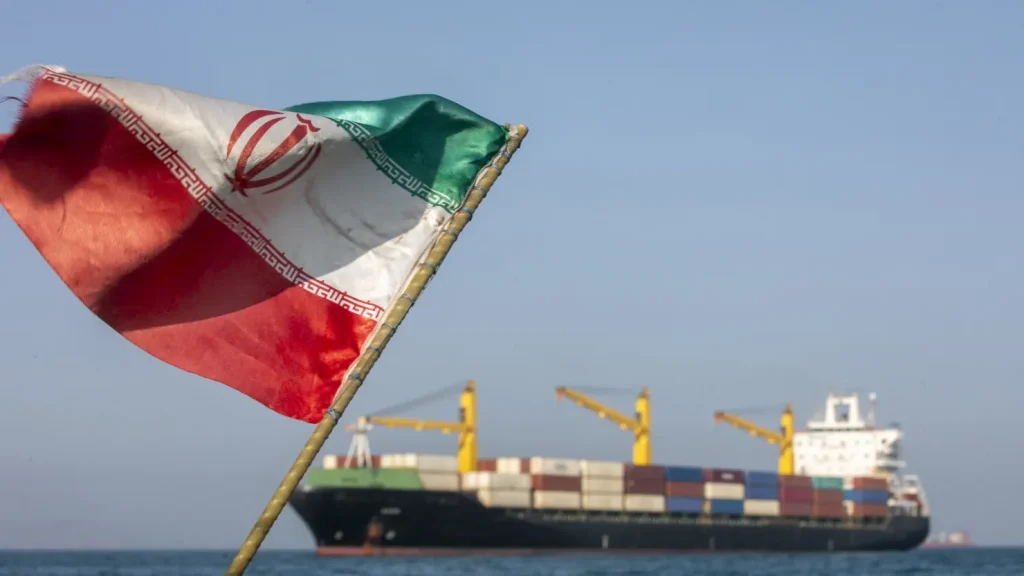
The Middle East conflict and disruptions in the Strait of Hormuz were also discussed, with Trump suggesting China could help encourage regional stability due to its relationship with Iran.
While both sides projected optimism after the summit, many details remain unresolved, including the future of tariff agreements, investment rules, and technology restrictions.
Officials from both countries are expected to continue negotiations ahead of Xi’s planned visit to Washington later this year, where both sides hope to achieve a more comprehensive trade breakthrough.