
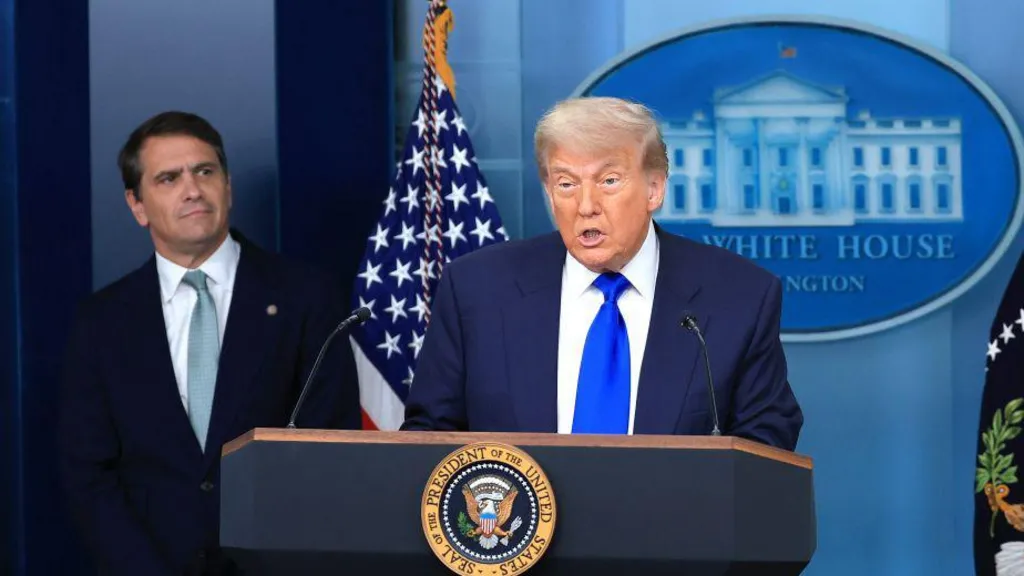

WASHINGTON — The Trump administration has officially abandoned plans for a controversial $1.8 billion taxpayer-funded programme after facing fierce opposition from Republican lawmakers, marking a significant political setback for President Donald Trump.
The Department of Justice (DOJ) announced on Tuesday that it would end the proposed “anti-weaponisation” fund, which was intended to compensate individuals whom the administration believed had been unfairly targeted by the federal government during previous administrations.
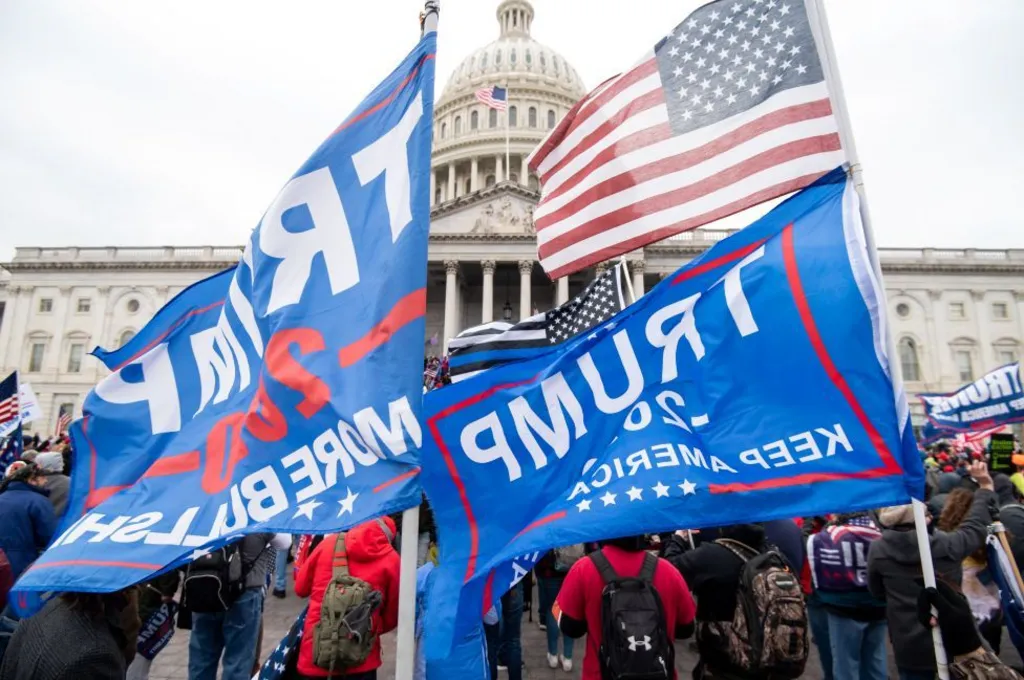
The programme, part of a broader legal settlement involving the Internal Revenue Service (IRS), quickly sparked criticism from both Republicans and Democrats. Critics argued that the fund could potentially benefit Trump allies, including individuals involved in the January 6, 2021, Capitol riot.
The proposal also included a provision preventing ongoing tax audits of Trump, his family members, and associated businesses. While the administration defended the measure as necessary to protect against politically motivated investigations, lawmakers from both parties raised concerns over conflicts of interest and abuse of power.
Republican opposition intensified during private meetings with Acting Attorney General Todd Blanche, where several senators reportedly condemned the programme as inappropriate and politically damaging.
Texas Senator Ted Cruz later revealed that lawmakers strongly challenged administration officials over the plan, describing the atmosphere as highly confrontational.
The controversy threatened to derail key Republican priorities in Congress, including legislation to fund U.S. Immigration and Customs Enforcement (ICE) and Customs and Border Protection (CBP). Senior Republican leaders warned the administration that continued support for the fund could jeopardize broader legislative goals.
Senate Majority Leader John Thune publicly urged the administration to withdraw the proposal, saying it would be best for the White House to end the programme voluntarily.
The decision to cancel the fund is the latest example of growing willingness among some Republicans to challenge Trump during his second term. While the president remains highly influential within the party, recent disagreements over foreign policy, executive authority, and transparency have revealed cracks within the Republican coalition.
Several Republicans have recently joined Democrats on key votes, including efforts to limit U.S. military involvement in Iran and demands for greater disclosure of government records related to convicted sex offender Jeffrey Epstein.
Political analysts view the collapse of the DOJ fund as evidence that congressional Republicans are becoming more willing to resist initiatives they believe could harm the party politically, particularly as the 2026 midterm elections approach.
The issue also sparked legal challenges, with multiple organizations filing lawsuits seeking to block the programme. A federal judge last week ordered a temporary suspension of the fund while legal proceedings continue.
The White House has not indicated whether it will pursue a revised version of the programme in the future. However, the episode represents one of the clearest examples to date of Republican lawmakers successfully pressuring the Trump administration to reverse course on a major policy initiative.