
ISLAMABAD: The federal government has asked provinces to set aside Rs154 billion from their National Finance Commission (NFC) share to support a potential targeted fuel subsidy, as authorities assess measures to mitigate the impact of rising global oil prices.
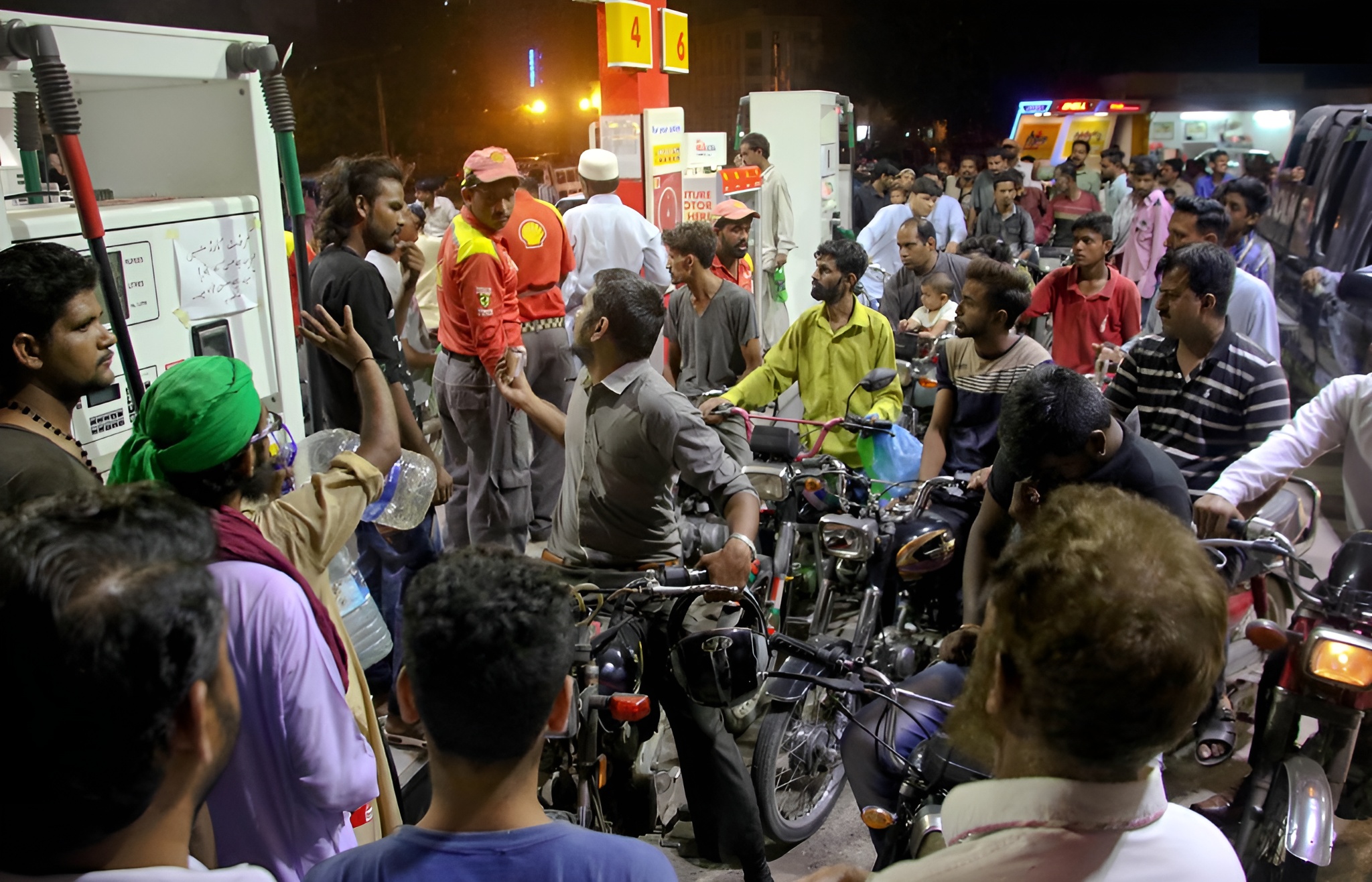
The proposal is part of broader deliberations on how to balance fiscal constraints with public relief, particularly for low- and middle-income segments reliant on two- and three-wheelers for daily transportation.
Two policy options are currently under consideration: passing on the full impact of international oil price increases to consumers, or introducing a targeted subsidy for motorbike users (up to 20 litres) and three-wheeler operators (up to 30 litres). Officials estimate that implementing the subsidy would require approximately Rs300 billion over a four- to six-week period.
A high-level meeting involving President Asif Ali Zardari, Prime Minister Shehbaz Sharif, and the four provincial chief ministers is scheduled next week to take a final decision on fuel pricing and relief measures.
Supply Stable, Prices Uncertain
The Ministry of Petroleum has informed both federal and provincial authorities that fuel supplies remain sufficient to meet domestic demand until May 10. However, officials warned that global oil prices could surge significantly—potentially reaching between $100 and $200 per barrel—if tensions in the Gulf region persist.
During a consultative meeting chaired by Finance Minister Muhammad Aurangzeb, officials reviewed the petroleum supply situation and policy responses.
The Petroleum Division confirmed that fuel availability across the country remains stable, while the Finance Division highlighted the limited fiscal space available for subsidies, largely restricted to revenues generated through the petroleum levy.
Provincial Input and Policy Debate
Provincial representatives shared differing perspectives on the proposed subsidy framework.
Sindh Chief Minister Murad Ali Shah emphasised the importance of promoting fuel conservation alongside maintaining supply stability.
Punjab Senior Minister Marriyam Aurangzeb called for the development of multiple policy scenarios, stressing that any decline in global oil prices should be promptly passed on to consumers.
Meanwhile, Adviser to the Khyber Pakhtunkhwa Chief Minister on Finance Muzammil Aslam suggested that provincial contributions toward the subsidy should be based on actual fuel consumption data, including the number of registered motorbikes.
Balochistan Finance Minister Mir Shoaib Nosherwani also participated in the discussions, highlighting the need for coordinated policymaking.
Technology-Driven Subsidy Mechanism
The government is exploring a technology-based system to ensure transparency and targeted delivery of subsidies. The Ministry of Information Technology proposed the use of QR codes and a dedicated mobile application to distribute subsidised fuel.
Officials revealed that approximately 24,000 smart Android devices may be procured to facilitate the rollout of the subsidy programme.
Balancing Relief and Stability
Finance Minister Muhammad Aurangzeb underscored the importance of maintaining macroeconomic stability while providing public relief. He emphasised the need for data-driven policymaking, particularly in subsidy design and taxation, to ensure efficiency and transparency.
He also noted that the current situation presents an opportunity to introduce structural reforms and encourage responsible consumption behaviour.
The meeting concluded with consensus on accelerating efforts to finalise a targeted subsidy framework, while ensuring close coordination between federal and provincial governments amid ongoing global energy uncertainty.