

Rising Housing Costs Drive Shift Toward Living Room-Free Apartments in U.S. Cities
In high-cost urban centers such as New York City, young renters are increasingly adapting to unconventional housing arrangements as affordability challenges intensify.
For 25-year-old financial analyst Jen Sierra, the transition from Atlanta to New York in 2022 came with an unexpected reality: apartments without living rooms. What initially seemed unusual quickly became a practical compromise in one of the world’s most expensive rental markets.

Sierra’s early apartment search highlighted the stark gap between expectations and reality. High rental prices in central Manhattan forced her to consider alternatives, including smaller “flex” apartments and shared living spaces.
Eventually, she relocated to Queens, where rents are comparatively lower. She secured a rent-stabilized apartment—where annual increases are legally capped—at approximately $3,700 per month, benefiting from improved amenities and better transit access.
However, the process was far from straightforward. Like many renters, Sierra encountered limited availability and misleading pricing tactics, particularly during peak summer months when demand surges. Promotional discounts, such as free rent periods, often masked the true cost of listings.
To adapt to her current apartment—lacking a traditional living room—Sierra and her roommate have reimagined their space. Small gatherings, multifunctional furniture, and shared building amenities, including lounges available for hourly rental, have become part of their lifestyle.
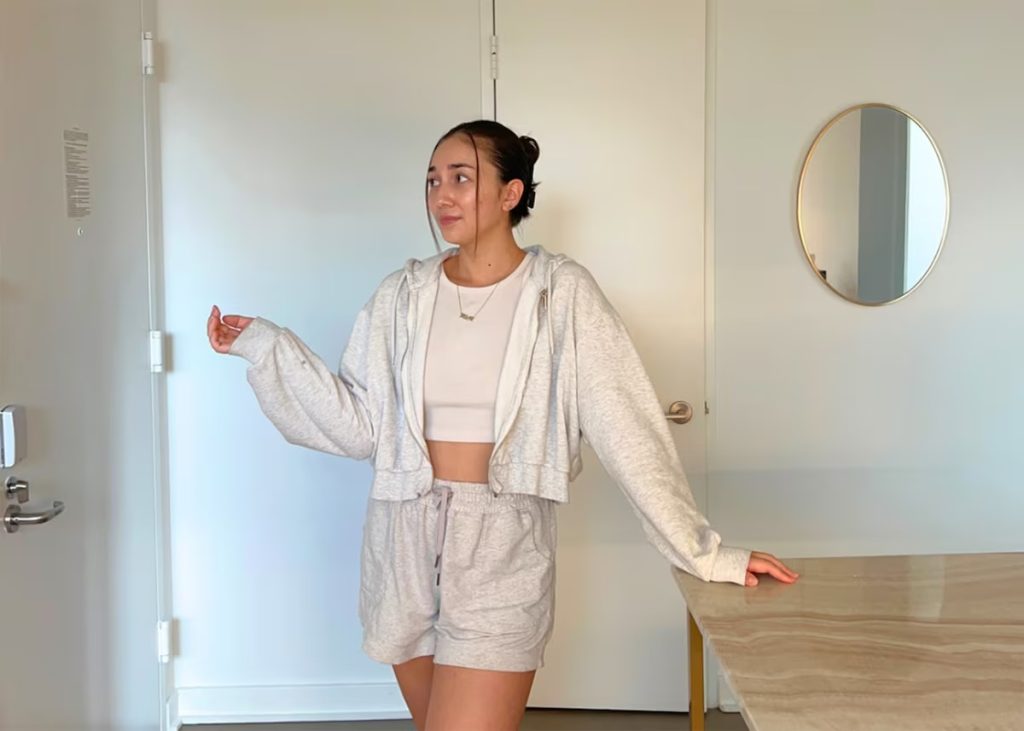
Despite the unconventional layout, Sierra notes that her current building offers significantly upgraded features, including in-unit laundry, a gym, a doorman, and pet-friendly facilities—factors that justify the cost for now.
A Growing National Trend
Sierra’s experience reflects a broader shift across the United States. According to a 2026 report by SpareRoom, the number of shared rental listings without living rooms has nearly tripled over the past five years.
The trend is particularly prominent among younger renters, with individuals under 35 accounting for approximately 60% of the shared housing market in 2025. Experts say rising housing costs, urban migration, and changing lifestyle preferences are driving demand for more flexible—and often smaller—living arrangements.
As affordability pressures persist, unconventional housing solutions like living room-free apartments may continue to redefine urban living in major cities worldwide.