
Pakistan Intensifies Diplomatic Efforts to Bridge US-Iran Divide
Pakistan has accelerated its diplomatic engagement to bring United States and Iran to the negotiating table, as tensions following weeks of hostilities show tentative signs of easing.
Momentum gathered after a 90-minute phone call between Prime Minister Shehbaz Sharif and Iranian President Masoud Pezeshkian, marking their second conversation in five days. Both leaders focused on de-escalation strategies and potential pathways toward dialogue.
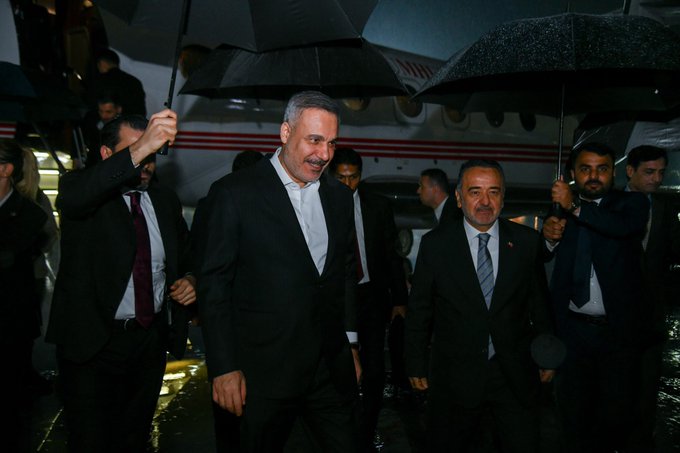
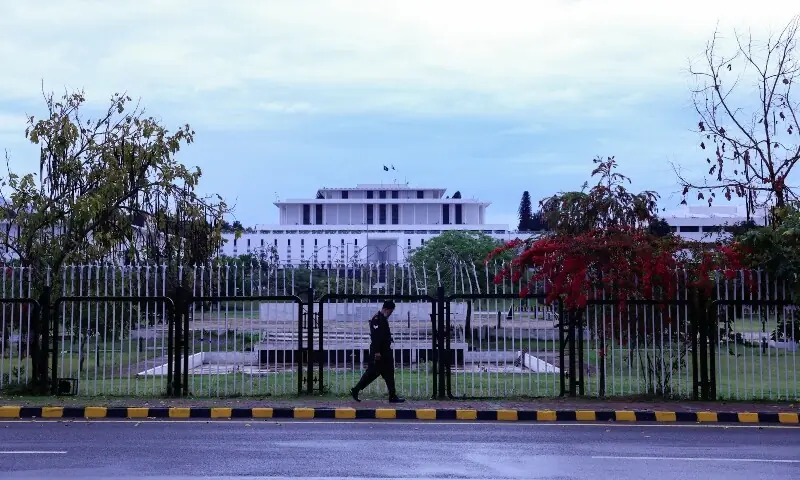
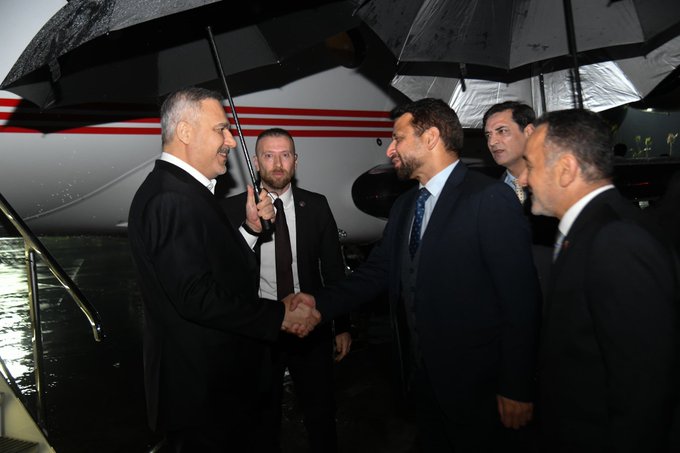
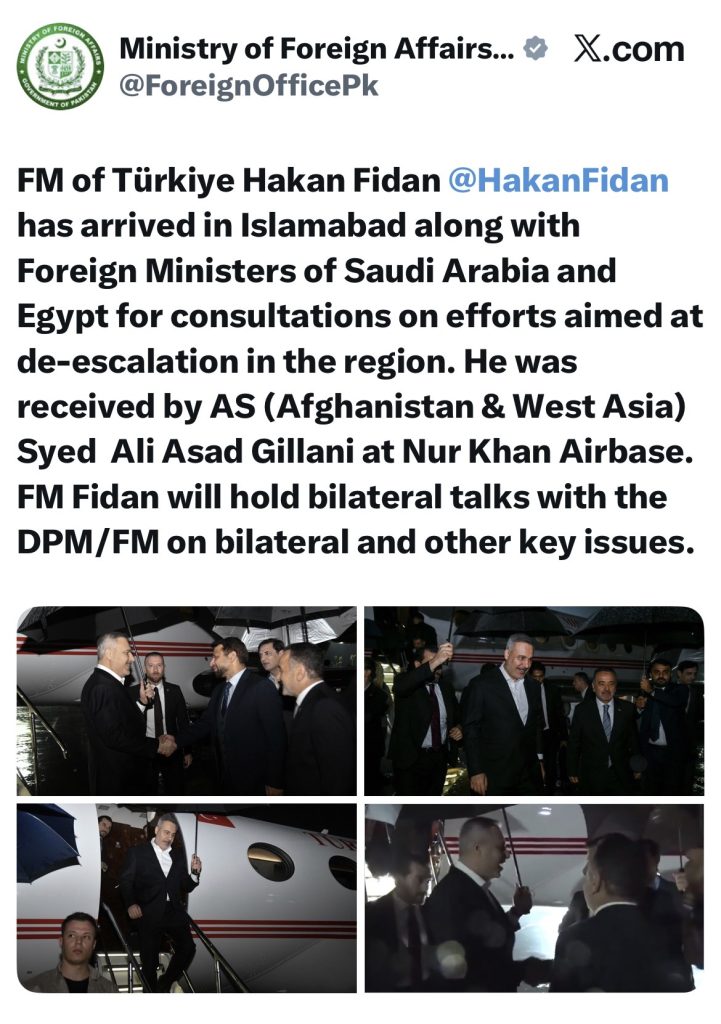
As part of its mediation efforts, Islamabad is hosting a high-level quadrilateral meeting involving foreign ministers from Saudi Arabia, Turkiye, and Egypt, alongside Pakistan. The meeting, scheduled from March 29 to 30, is being viewed as a critical step in building regional consensus for peace.
Officials indicate that further diplomatic engagement could take place as early as midweek, with expectations of potential talks involving U.S. Secretary of State Marco Rubio and Iranian Foreign Minister Abbas Araghchi. However, sources caution that developments remain dependent on evolving conditions.

Trust Deficit Remains a Major Challenge
Despite growing diplomatic momentum, deep mistrust continues to hinder progress. President Pezeshkian highlighted concerns over repeated military strikes during ongoing negotiations, questioning the reliability of U.S. commitments, including those announced by Donald Trump.
He stressed that meaningful confidence-building measures would be essential before formal talks could proceed, while also warning of potential regional escalation involving Israel.
Prime Minister Shehbaz Sharif reiterated Pakistan’s call for restraint, condemning recent strikes on Iranian infrastructure and emphasizing the need for dialogue based on mutual respect and an immediate halt to hostilities.
Regional and Global Backing
Pakistan’s diplomatic initiative has received support from multiple regional and global stakeholders. China has reportedly endorsed Islamabad’s role and encouraged Tehran to engage in dialogue.
Officials say the Islamabad meeting aims to align regional positions and strengthen the foundation for direct U.S.-Iran engagement, even though representatives from Washington and Tehran are not expected to attend the current round.
In a related development, Iran has conveyed its formal response to a reported U.S. peace proposal through Pakistan, further underscoring Islamabad’s role as a key intermediary in the evolving diplomatic process.
As efforts intensify, the coming days are expected to be crucial in determining whether diplomacy can succeed in de-escalating one of the region’s most volatile crises.