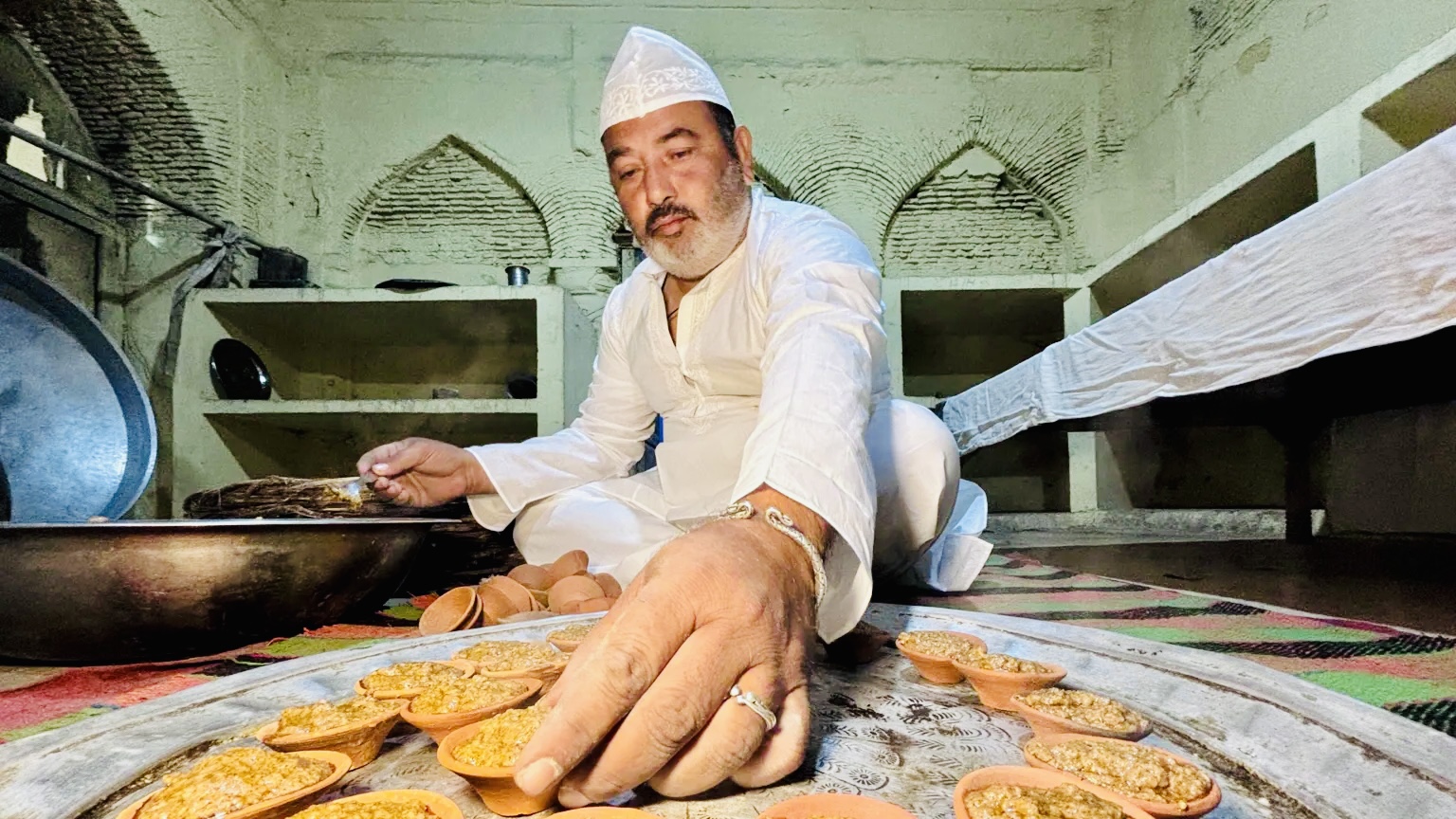

In the northern Indian city of Lucknow, a centuries-old royal kitchen is undergoing careful restoration, preserving not just architecture but a living tradition that continues to serve thousands.
Located within the historic Chota Imambara complex, the kitchen was built in 1837 by Muhammad Ali Shah, the ruler of the former princely state of Awadh. Unlike many royal institutions of its time, this kitchen was designed to serve both the royal household and the general public, particularly during religious occasions.
Nearly two centuries later, the kitchen remains operational, continuing its legacy of community service by providing meals during Ramadan and Muharram. Today, it feeds hundreds daily, including the poor and vulnerable, with food also distributed to nearby mosques.
A Unique Historical Legacy
Historians note that in 1839, Muhammad Ali Shah allocated a significant endowment to ensure the upkeep of Awadh’s monuments and the continuous functioning of the kitchen. Following India’s independence in 1947, the funds were transferred to a local system, and the kitchen is now managed by the Hussainabad Trust.
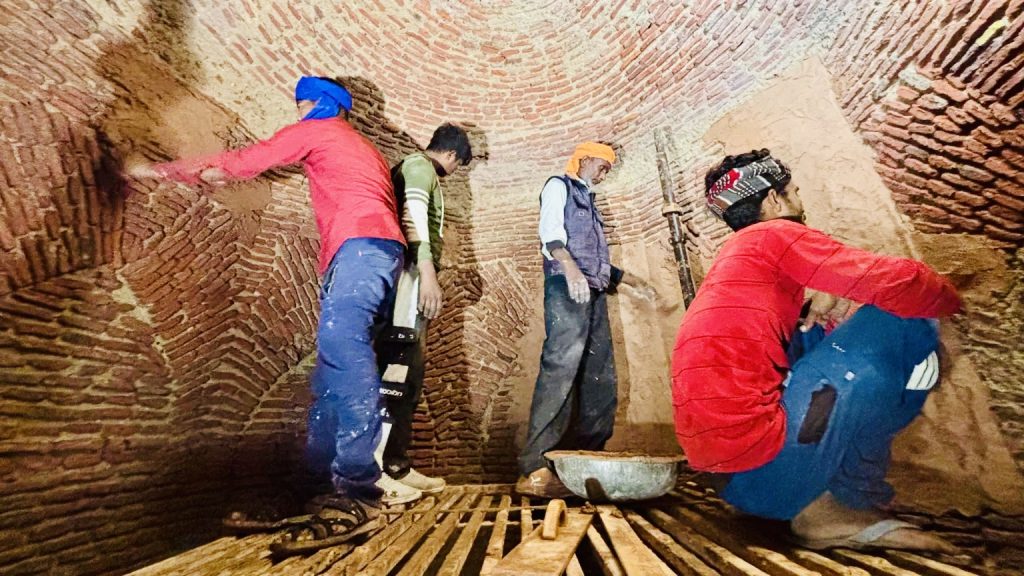
Despite its ongoing use, the structure had fallen into disrepair over the years, prompting intervention by the Archaeological Survey of India, which began restoration work last year.
Reviving Traditional Craftsmanship
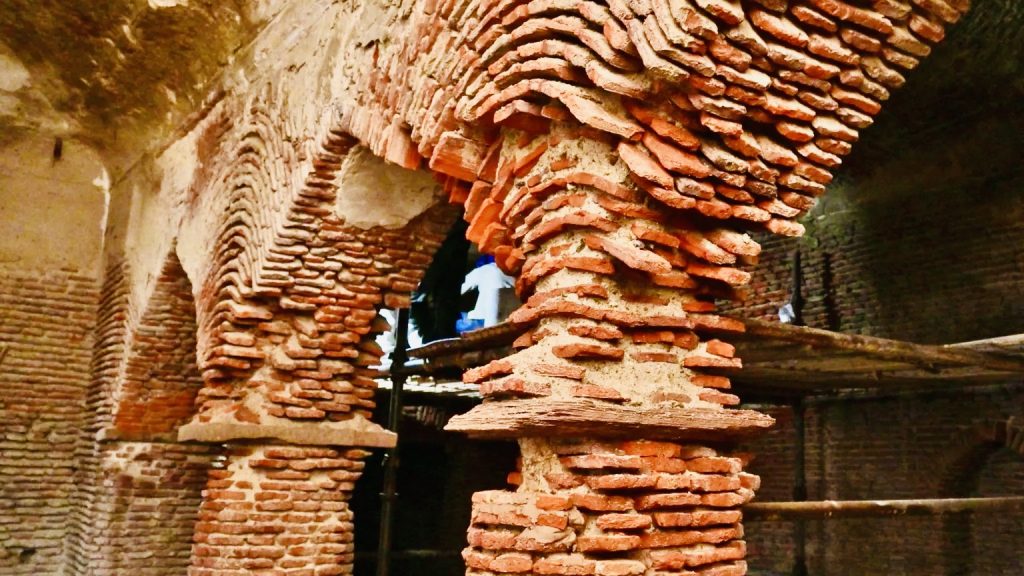
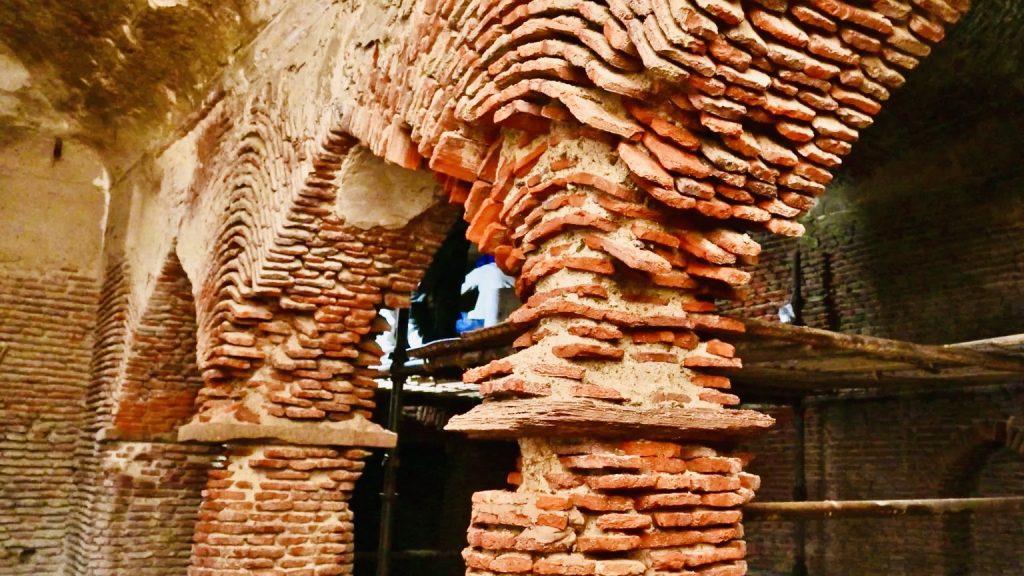
What sets this restoration apart is its commitment to historical authenticity. Experts are using traditional Mughal-era construction techniques, including lime-based mortar made from natural materials such as wood apple pulp, black gram, jaggery, and red brick dust.
Additionally, workers are restoring the structure using ‘lakhauri’ bricks—thin, traditional bricks characteristic of Awadhi architecture—ensuring the kitchen retains its original design and integrity.
Tradition That Endures
For descendants of the Awadh rulers, such as Yasir Abbas, the project carries deep cultural significance. “We are duty-bound to preserve this tradition,” he said, emphasizing the importance of continuing the legacy established by the former rulers.
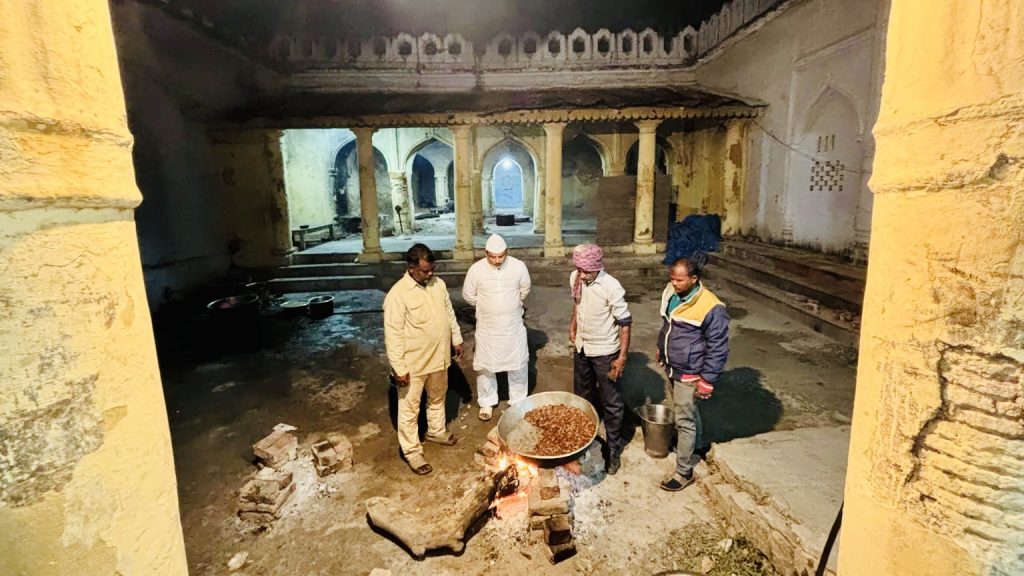
The kitchen’s dual-structure design—two identical cooking spaces—continues to serve a practical purpose. Even during restoration, food preparation has continued uninterrupted in the second kitchen.
More Than a Monument
For local residents, the kitchen represents more than history—it is a vital part of community life. Long-time visitor Syed Haider Raza recalls decades of visiting the site, where food has always been abundant and accessible to all.
Meals served here reflect Lucknow’s rich culinary heritage, ranging from simple vegetarian dishes during early Muharram to meat curries, bread, and sweets during Ramadan.
Importantly, the preparation methods, menu, and even portion sizes continue to follow detailed instructions laid out in the original royal decree, preserving a centuries-old standard.
As restoration nears completion, the project stands as a rare example of living heritage—where history is not just preserved, but actively practiced.