
Israel Reports Second Yemen Attack as Middle East Conflict Intensifies
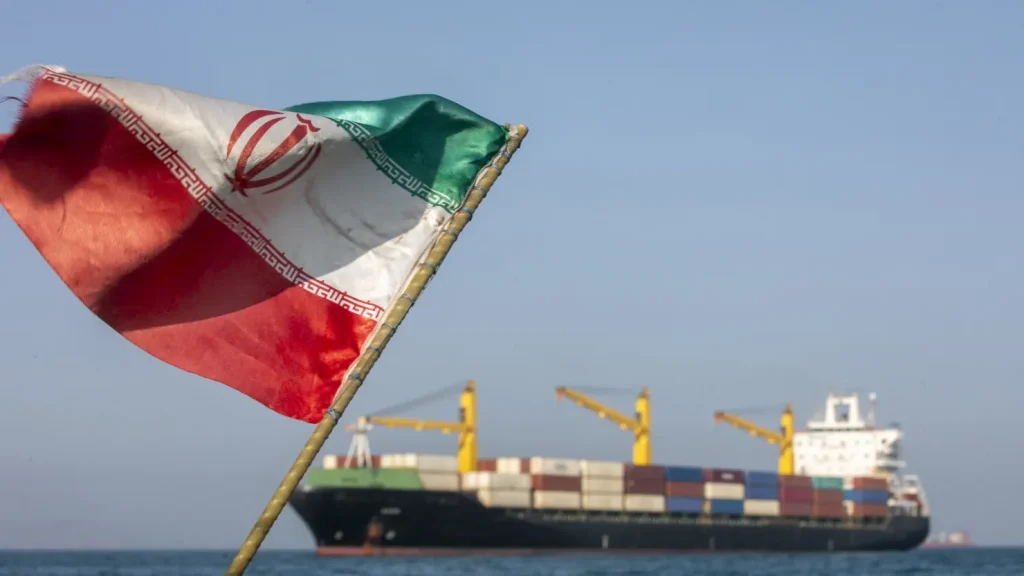
The Middle East conflict continues to escalate as Israel reported a second attack originating from Yemen, alongside multiple missile strikes launched by Iran, according to Israeli military officials on Monday.
The Israeli military stated that Iran fired several waves of missiles toward Israel, while two drones launched from Yemen were intercepted early Monday. The attack marks only the second time Yemen has directly engaged since the conflict involving the United States and Israel began.
Yemen’s Iran-backed Houthi militia had entered the conflict over the weekend, firing missiles at Israel, further widening a war that has already spread across the region.
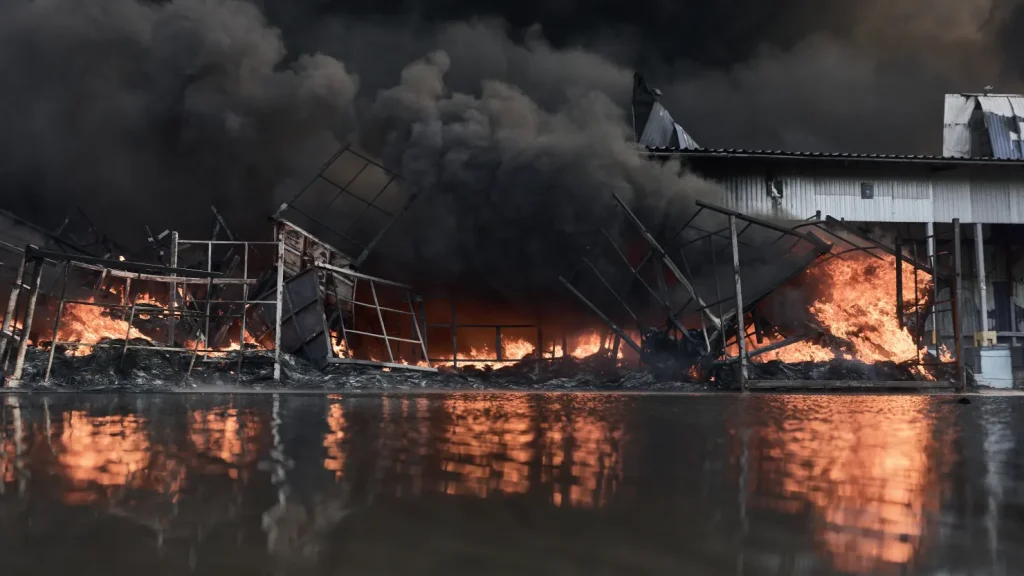
In response, Israel confirmed that its Air Force was conducting extensive strikes on Tehran, targeting what it described as military infrastructure. Israeli officials reported more than 140 airstrikes across central and western Iran within a 24-hour period, including key missile launch sites and storage facilities.
The latest developments come amid reports of ongoing diplomatic efforts. U.S. President Donald Trump stated that Washington and Tehran have been engaging in both direct and indirect talks, describing Iran’s new leadership as “very reasonable.” However, he acknowledged uncertainty about whether a formal agreement could be reached.
“I think we’ll make a deal with them, I’m pretty sure — but it’s possible we won’t,” Trump told reporters while traveling aboard Air Force One.
Pakistan has also emerged as a key intermediary, announcing plans to host “meaningful talks” aimed at ending the ongoing conflict. However, it remains unclear whether both the United States and Iran will participate.
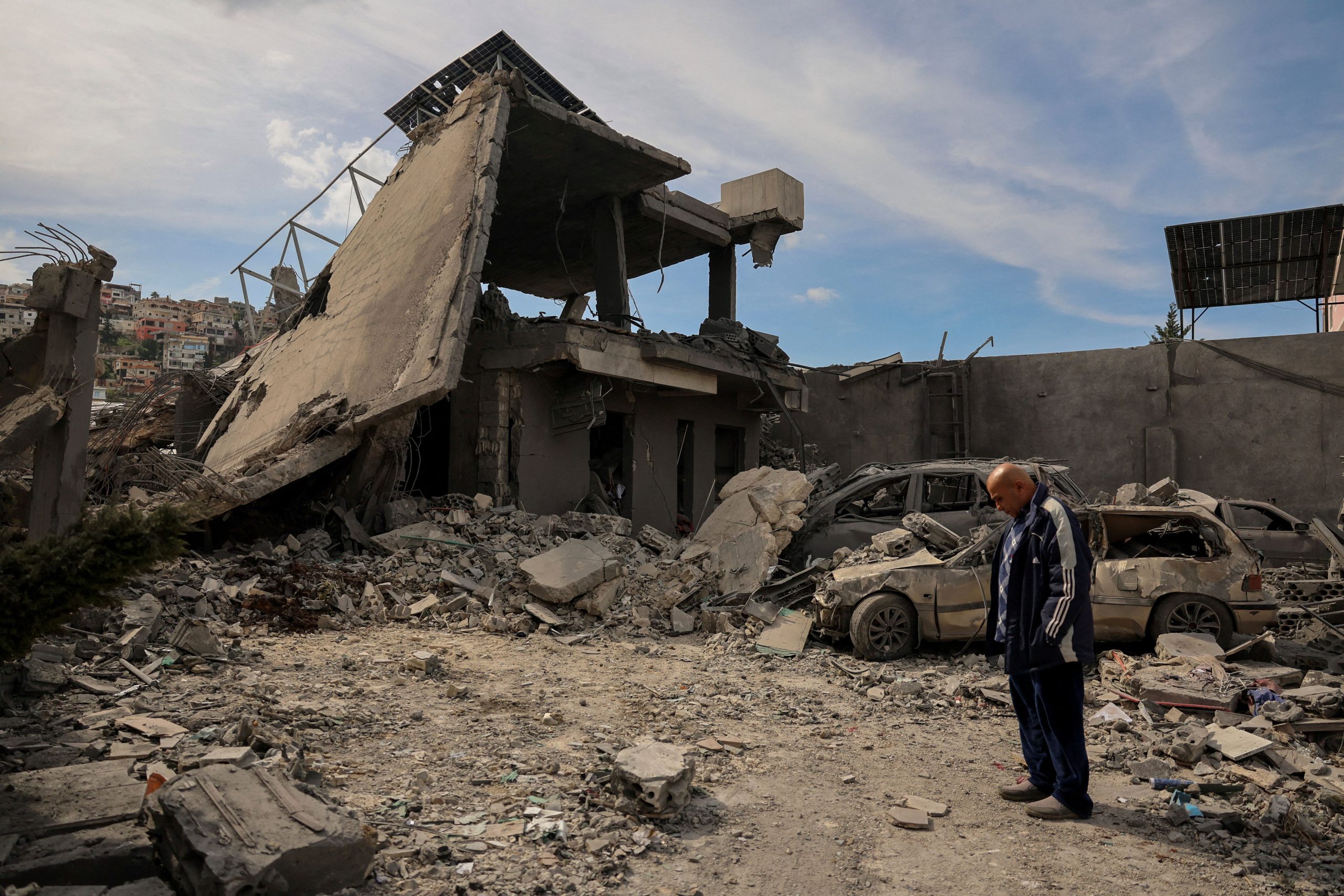
The war has already had devastating consequences, with thousands reported killed and significant disruptions to global energy supplies, impacting the world economy.
Meanwhile, Iran’s parliament speaker Mohammad Baqer Qalibaf accused the United States of sending mixed signals — publicly discussing negotiations while allegedly preparing for a potential ground invasion.
As tensions continue to rise, uncertainty looms over whether the region is heading toward broader conflict or a possible diplomatic resolution.