
Trump Relaxes Cuba Oil Blockade, Allows Russian Tanker to Deliver Fuel
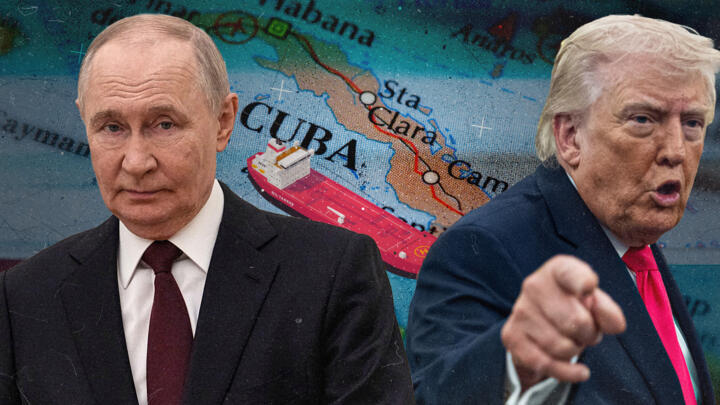
U.S. President Donald Trump has signaled a significant shift in policy by allowing a Russian oil tanker to deliver fuel to Cuba, easing a de facto blockade that had pushed the island nation into a deep energy crisis.
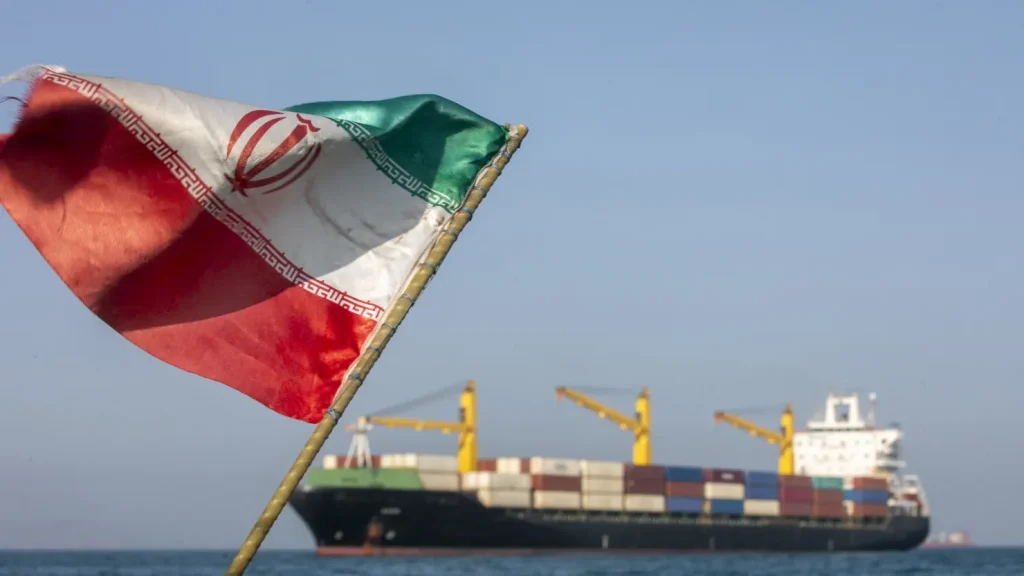
According to officials and ship-tracking data, a sanctioned Russian vessel carrying hundreds of thousands of barrels of crude oil was nearing Cuba and expected to dock shortly, offering much-needed relief to the country’s struggling economy.
The decision marks a reversal from earlier U.S. actions that effectively cut off oil supplies to Cuba. Washington had previously halted Venezuelan oil exports and warned other countries against supplying fuel, leading to a sharp decline in deliveries and widespread shortages.
Cuba has not received a major oil shipment in months, resulting in severe fuel rationing, nationwide blackouts, and disruptions to essential services. The crisis has also raised concerns among health officials, particularly regarding vulnerable patients affected by power outages.
Speaking aboard Air Force One, Trump said he had “no problem” with any country — including Russia — sending oil to Cuba, emphasizing the humanitarian needs of the Cuban people.
“If a country wants to send some oil into Cuba right now, I have no problem with that,” he said, while also predicting that the Cuban government would eventually collapse regardless of external support.
The tanker, part of what analysts describe as Russia’s “shadow fleet,” is expected to provide temporary relief, potentially supplying enough fuel to sustain the island for several days or weeks under strict rationing.
Despite the easing of restrictions, Trump maintained a hard stance against the Cuban leadership, calling it corrupt and indicating that U.S. policy toward Havana could tighten again in the future.
Analysts say the move reflects a balancing act between geopolitical pressure and humanitarian concerns, particularly as global tensions rise and energy markets remain unstable.