
Fugitive Dezi Freeman Shot Dead After Months on the Run in Australia
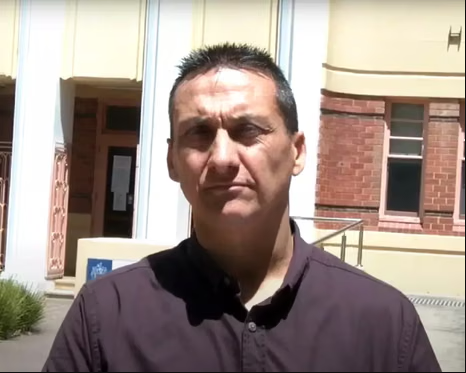
Dezi Freeman, the fugitive accused of killing two police officers, has been shot dead by police in Australia after evading authorities for seven months.
Victoria Police confirmed that a man believed to be Freeman, 56, was killed following an hours-long standoff at a rural property in the state’s north-east on Monday morning. Formal identification is still underway.
According to Chief Commissioner Mike Bush, police surrounded a structure on the property early in the morning and attempted to negotiate a peaceful surrender. After several hours and repeated appeals, the suspect emerged and was shot by officers.
“Our ultimate goal was to arrest the person,” Bush said. “There was an opportunity for him to surrender peacefully, but he did not.”
Authorities believe Freeman was armed at the time, possibly with a weapon taken from one of the officers killed in August.
The case stems from a deadly incident in which two police officers, Neal Thompson and Vadim de Waart, were shot and killed while executing a search warrant at Freeman’s property in the Victorian town of Porepunkah.
Following the killings, Freeman fled into dense bushland, triggering a large-scale manhunt involving extensive searches, reward offers, and specialized teams navigating difficult terrain.
Victoria Premier Jacinta Allan described the outcome as the end of a tragic chapter. “Today an evil man is dead. It’s over,” she said.
Police say no officers were injured during the final operation, which will now be subject to a standard investigation, as is routine in police shootings.
Investigators also believe Freeman may have received assistance while in hiding, and efforts are now underway to identify anyone who may have helped him evade capture.
Freeman, whose real name was Desmond Filby, was known for his association with the so-called “sovereign citizen” movement, which rejects government authority and laws.
Authorities said the families of the slain officers were informed first, and officials expressed hope that the development would bring some measure of closure, though many acknowledged the lasting trauma caused by the incident.