
WASHINGTON: The International Monetary Fund (IMF) has warned that the ongoing conflict in the Middle East is posing significant risks to the global economy, disrupting recovery efforts and increasing the likelihood of prolonged inflation and slower growth.
In a blog published on Monday, the IMF’s top economists described the war—triggered by U.S. and Israeli strikes on Iran—as a “global but asymmetric shock” that is tightening financial conditions and destabilizing key markets.
Energy Shock and Market Disruptions
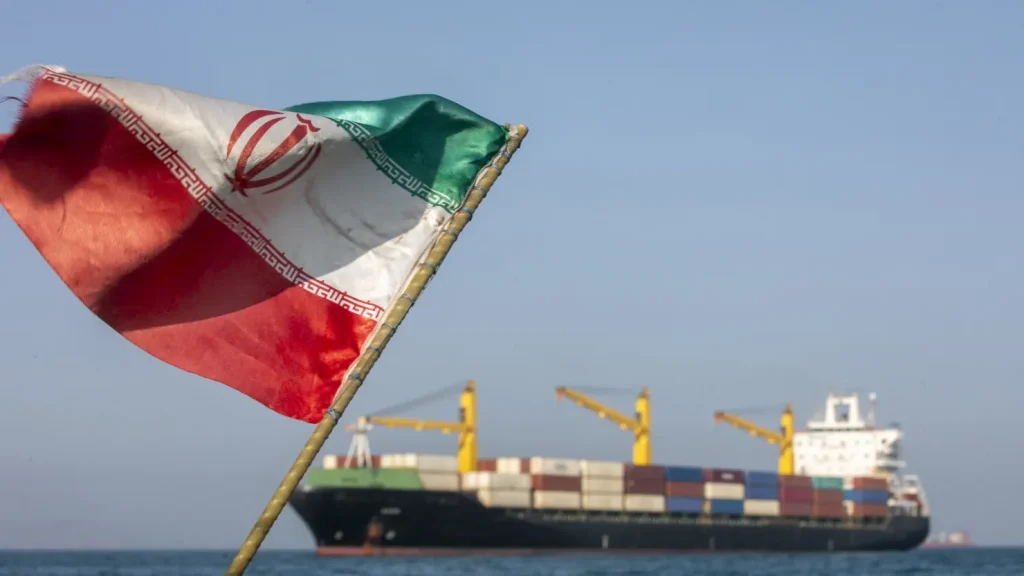
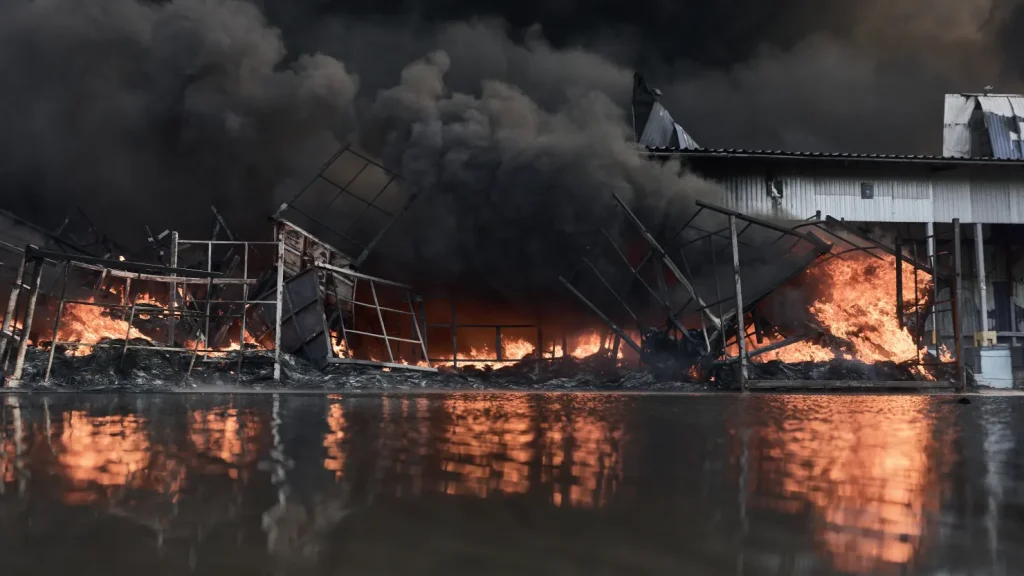
The conflict has severely impacted global energy flows, particularly following Iran’s closure of the Strait of Hormuz—one of the world’s most critical oil transit routes.
According to the International Energy Agency, the disruption represents the largest shock to global oil markets in history, driven by supply interruptions and damage to regional infrastructure.
The extent of the economic fallout will depend on the duration and spread of the conflict, as well as the scale of damage to supply chains and production facilities.
Rising Inflation and Slowing Growth
The IMF warned that sustained increases in energy and food prices are likely to drive inflation higher across both advanced and developing economies.
“Although the war could shape the global economy in different ways, all roads lead to higher prices and slower growth,” IMF economists noted.
Historically, prolonged oil price spikes have contributed to rising inflation while simultaneously dampening economic growth—a trend the IMF expects could repeat under current conditions.
Impact on Vulnerable Economies
Low-income countries are expected to bear the brunt of the crisis, facing heightened risks of food insecurity due to rising prices of food and fertilisers.
The IMF cautioned that many of these nations may require increased external financial support, even as wealthier economies scale back international assistance.
This combination of rising costs and reduced aid could exacerbate existing economic vulnerabilities and widen global inequality.
Policy Challenges Ahead
The report also highlighted the risk of inflation becoming entrenched, as expectations of sustained price increases could lead to higher wages and production costs.
Such a scenario would complicate efforts by central banks to control inflation without triggering a sharper economic slowdown.
Outlook
The IMF is expected to provide a more comprehensive assessment in its upcoming World Economic Outlook, scheduled for release on April 14 during the IMF–World Bank Spring Meetings in Washington.
As the conflict continues, policymakers worldwide face mounting pressure to balance inflation control with economic stability, while navigating an increasingly uncertain global landscape.