
Ukraine Targets Russian Oil Port as EU Officials Visit Kyiv
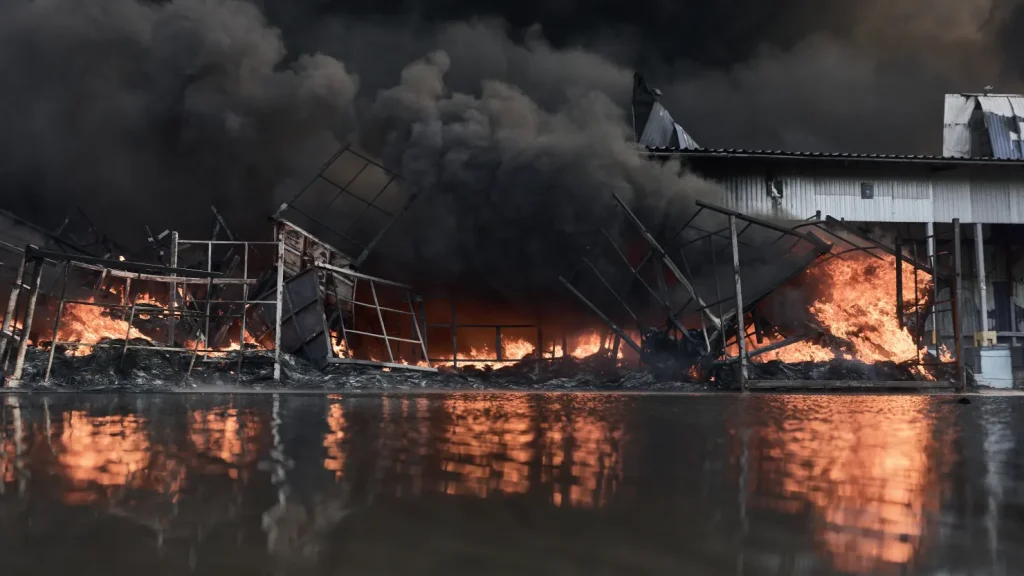
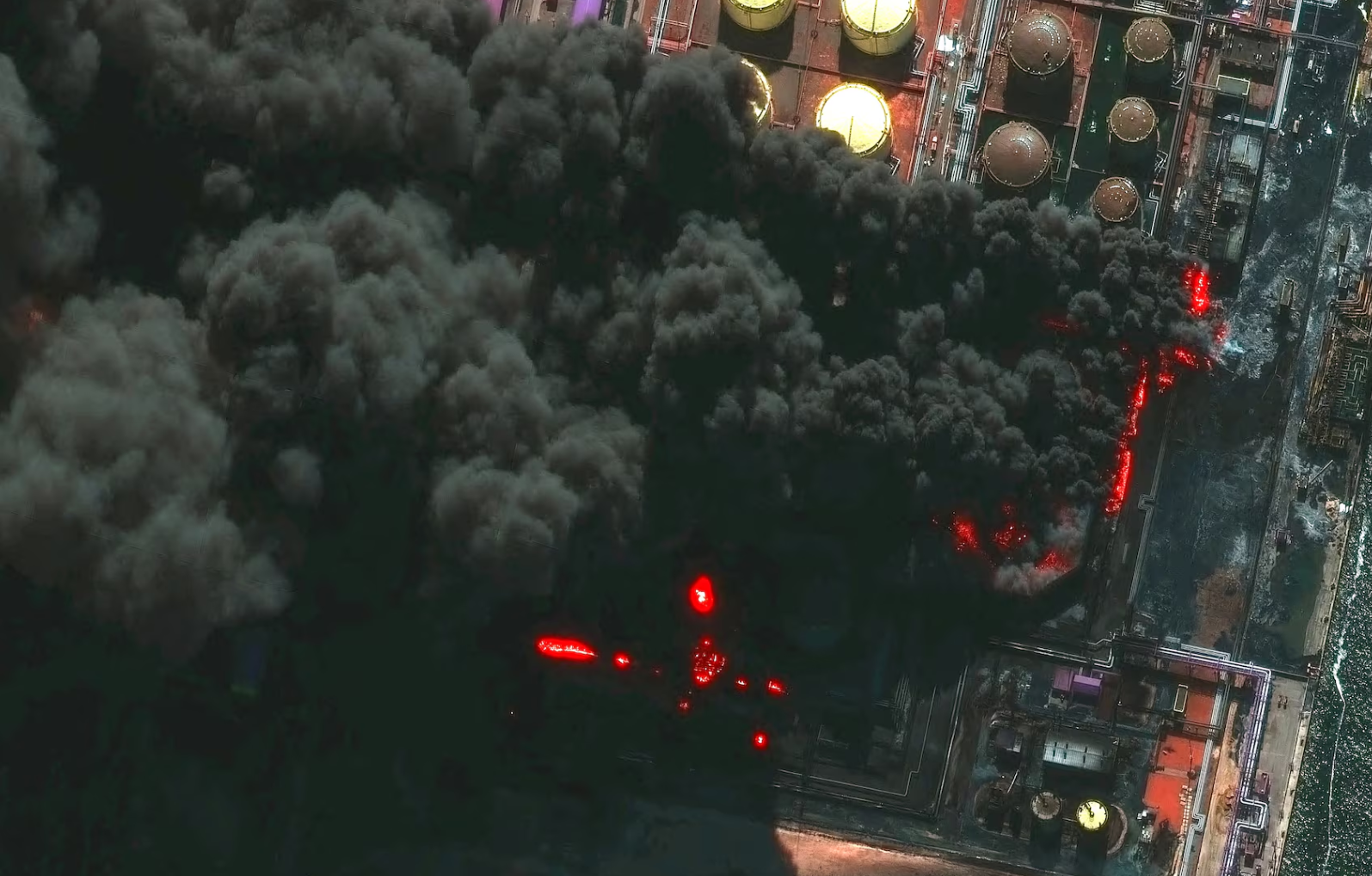
Ukrainian forces have struck Ust-Luga port for the fifth time in 10 days, hitting Russia’s critical oil export infrastructure amid rising global energy tensions. The overnight attacks on March 31 damaged buildings and injured three people, including two children, according to regional governor Alexander Drozdenko.
Ust-Luga, located on the southeastern shore of the Gulf of Finland, handles roughly 700,000 barrels of crude oil per day and exported 32.9 million metric tonnes of oil products in 2025. Previous attacks on March 22, 25, 27, and 29 forced temporary suspensions of port operations.
The attacks are part of Ukraine’s intensified drone campaign targeting Russian oil exports, the heaviest in the over four-year conflict. Analysts estimate that at least 40% of Russia’s oil export capacity has been disrupted due to drone strikes, pipeline disruptions, and tanker seizures.
Ukraine also reported that its air defences shot down 267 of 289 Russian drones overnight, highlighting continued escalation along multiple fronts. Meanwhile, Russian forces claimed to have captured the village of Mala Korchakivka in Ukraine’s northern Sumy region.
EU Officials Reaffirm Support
The strike comes as European Union officials, including EU High Representative Kaja Kallas, visited Kyiv to mark the fourth anniversary of the Bucha massacre. “Bucha has come to symbolise the cruelty of Russia’s war,” Kallas said, emphasizing that the EU is committed to holding Russia accountable.
Ukrainian Foreign Minister Andrii Sybiha called for continued international focus on the war despite the growing impact of the US-Israel conflict in the Middle East, warning that Europe’s security and international law are at stake.
Global Oil Market Impact
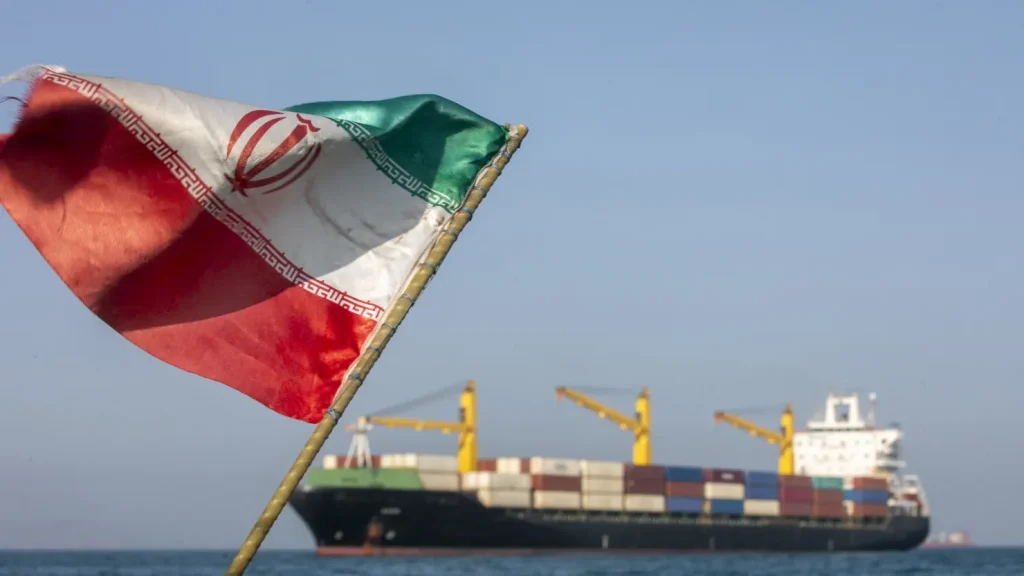
The repeated strikes on Ust-Luga, combined with disruptions from the ongoing US-Israel war on Iran, have driven Brent crude above $116 per barrel, the highest in nearly two weeks. Cash-strapped Ukraine faces rising fuel costs, while global energy markets react to the disruption of Russian exports and tensions in the Middle East.