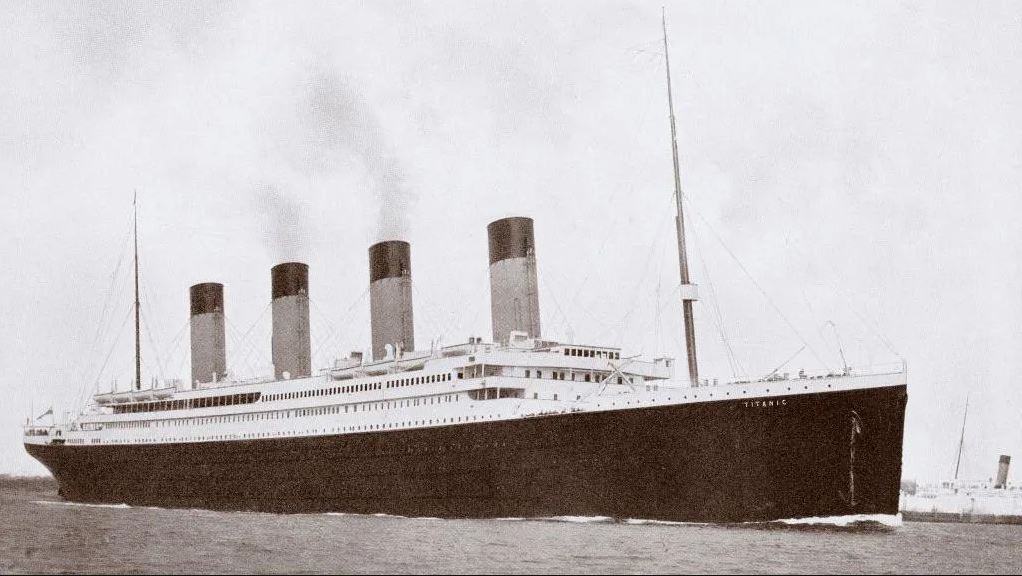

BELFAST: Original design plans of the legendary ship RMS Titanic are set to be made available to the public for the first time, more than a century after the ship’s tragic sinking.
The Titanic, built in the early 1900s, was one of the most advanced and luxurious ships of its time. When it began its maiden voyage in April 1912 from Southampton to New York, it was the largest moving object ever created by humans. The ship featured cutting-edge technology, including a powerful electrical system that could generate more energy than many cities of that era.
Passengers on board experienced unmatched luxury. Facilities included a swimming pool, gymnasium, Turkish baths, fine dining restaurants, and comfortable cabins—even for third-class passengers, which was unusual at the time. These features made Titanic a symbol of innovation and wealth.
The ship was widely believed to be “unsinkable” because of its advanced safety design. It had multiple watertight compartments that were supposed to keep it afloat even if several sections were damaged. However, after hitting an iceberg in the North Atlantic, five compartments were breached, causing the ship to sink within hours. More than 1,500 people lost their lives in one of the deadliest maritime disasters in history.
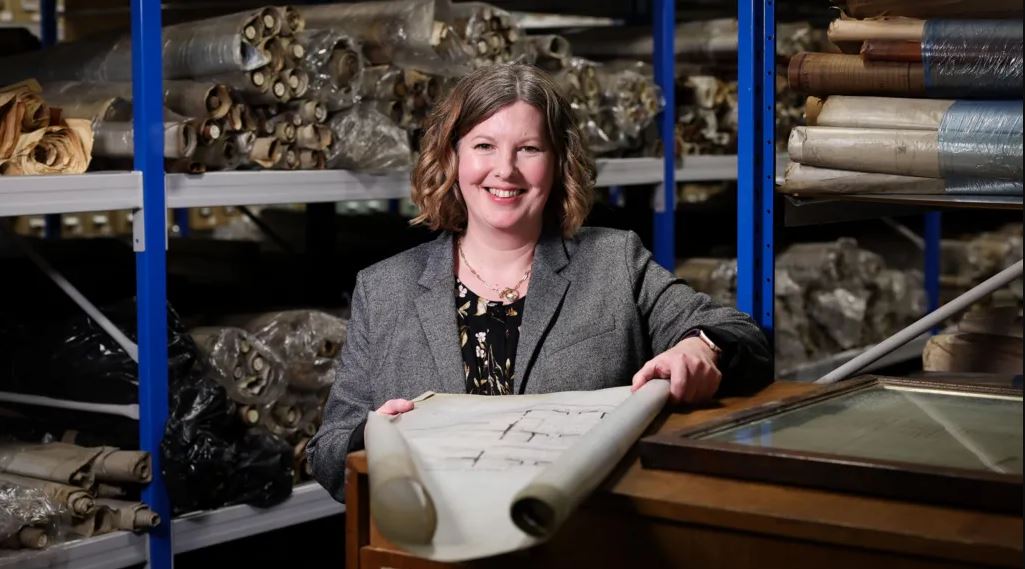
The newly revealed documents include detailed technical drawings, engineering blueprints, and construction notes created at the Harland & Wolff shipyard in Belfast. This historic shipyard was responsible for designing and building Titanic, along with its sister ships.
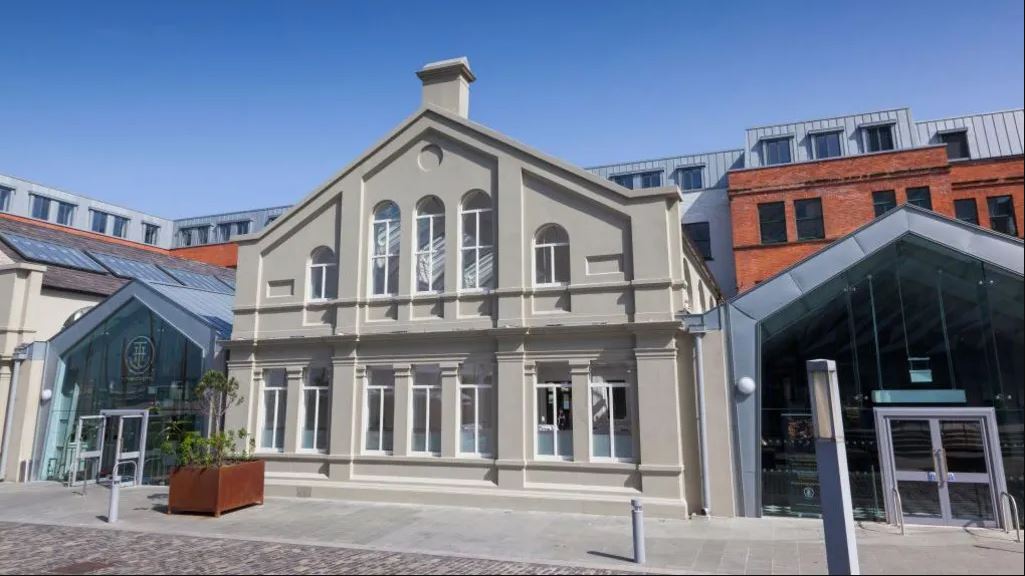
These records are part of a massive archive containing hundreds of thousands of ship plans and documents. The archive is preserved at the Ulster Folk Museum and is being made accessible through a project led by National Museums Northern Ireland.
Previously, access to these documents was limited mainly to historians and researchers. Now, for the first time, the general public will be able to explore them online or visit in person by appointment. Experts say this will provide a unique opportunity to understand how the Titanic was designed and built in such detail.
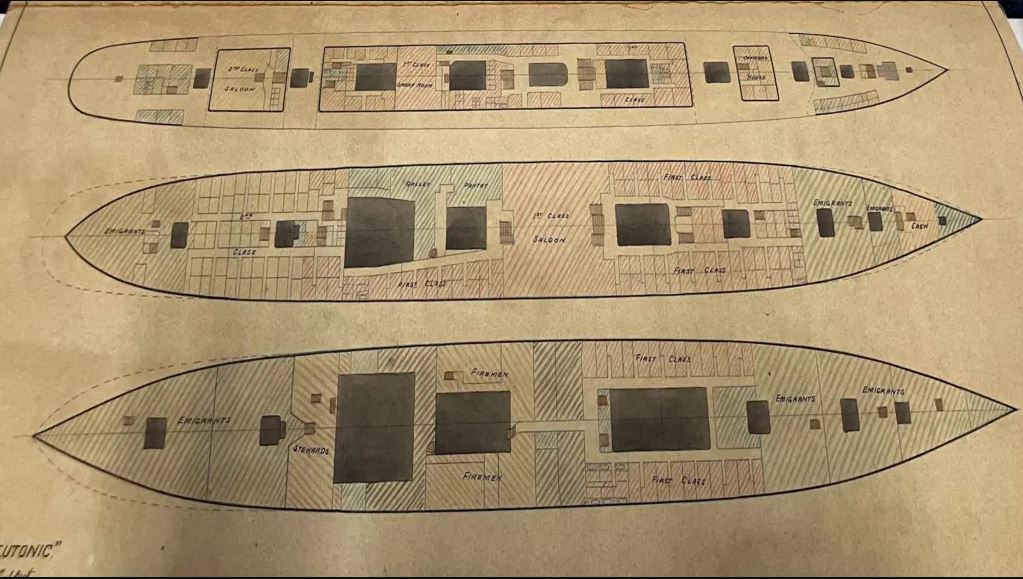
The archive also includes plans for Titanic’s sister ships. HMHS Britannic later sank during World War I after hitting a mine, while RMS Olympic had a long and successful career, serving for more than 20 years.
The discovery of Titanic’s wreck in 1985 by a team led by Robert Ballard renewed global interest in the ship’s history. The wreck lies about 4 kilometers below the ocean surface, off the coast of Newfoundland, Canada.
Officials say this project will help “unlock hidden history” and give people a deeper understanding of Belfast’s shipbuilding heritage. It also highlights the engineering ambition of the early 20th century, when Titanic represented the peak of human achievement in maritime design.
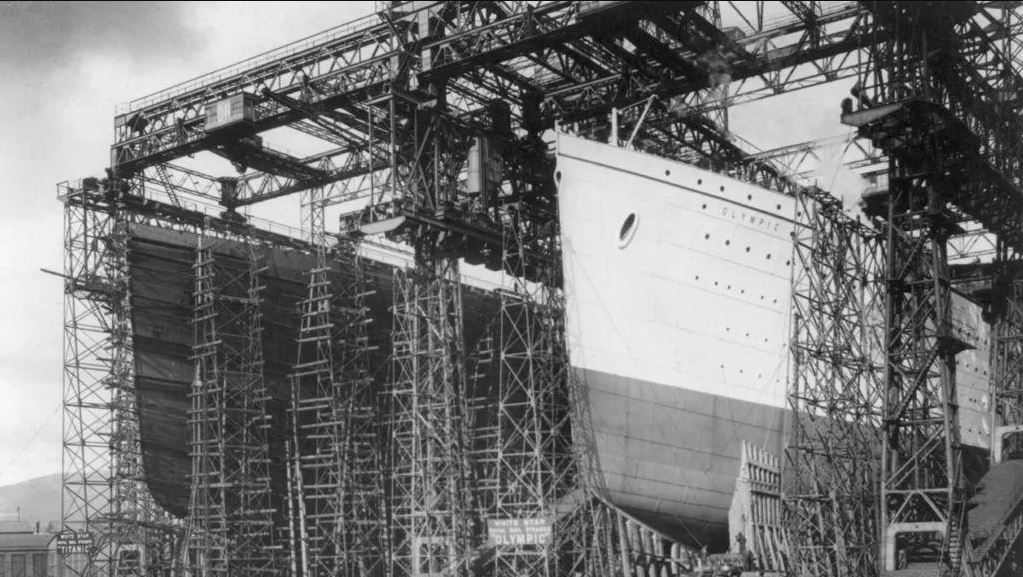
By making these plans public, historians and the general public alike will now be able to study the ship in greater detail than ever before, shedding new light on both its brilliance and the flaws that led to its tragic end.