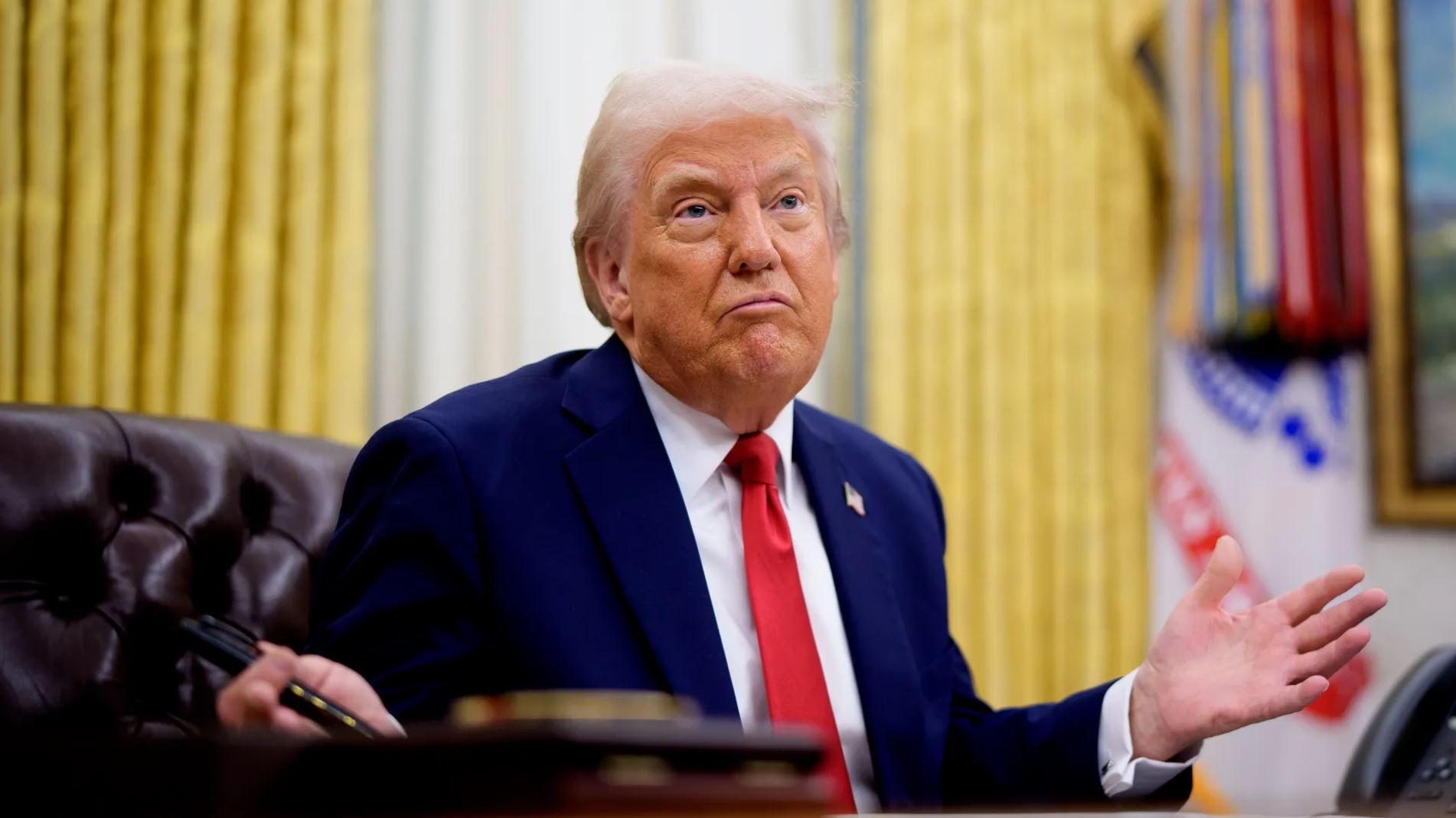

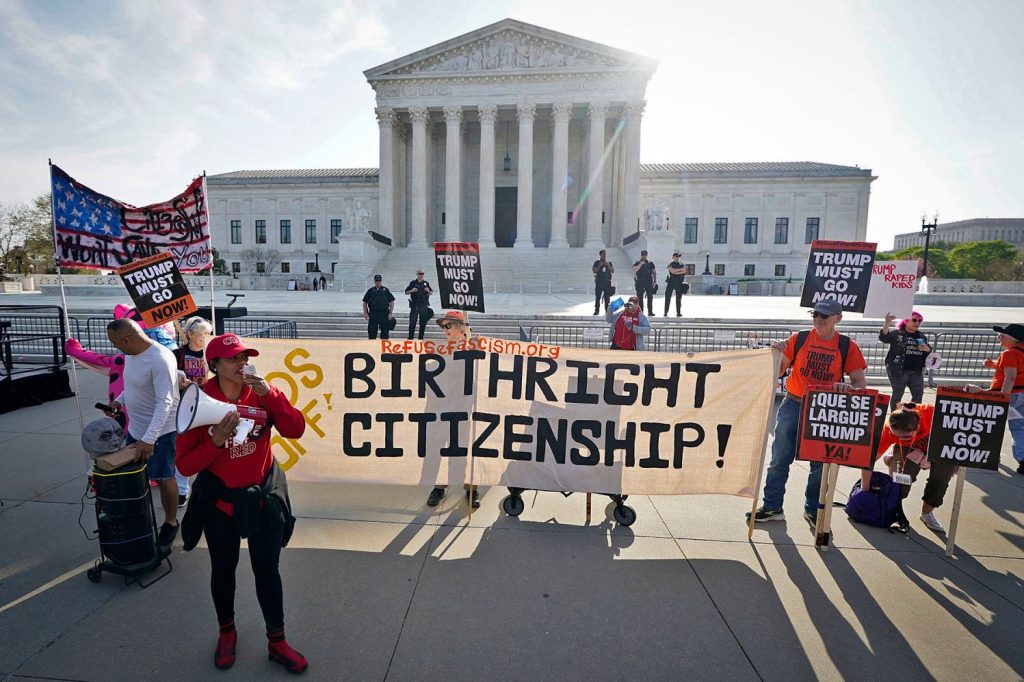
WASHINGTON, D.C.: U.S. Supreme Court justices expressed doubt on Wednesday over the legality of President Donald Trump’s order to limit birthright citizenship.
The order directs federal agencies not to recognize citizenship for children born in the U.S. if neither parent is an American citizen or a legal permanent resident (green card holder).
⚖️ Historic Supreme Court Hearing
Trump became the first sitting president to attend a Supreme Court oral argument, sitting in the courtroom gallery alongside White House Counsel, the Commerce Secretary, and the Attorney General. He left shortly after the Justice Department’s lawyer presented arguments.
The justices, who include a 6-3 conservative majority, questioned the administration’s reasoning for over two hours.
📝 Administration Argument
The government, represented by D. John Sauer, argued:
- Birthright citizenship is unusual internationally, with the U.S. among 33 countries granting automatic citizenship.
- Citizenship encourages illegal immigration and rewards lawbreakers.
- The 14th Amendment’s phrase “subject to the jurisdiction thereof” should exclude children of parents who are in the U.S. illegally or temporarily.
Trump later criticized birthright citizenship on social media, calling it “STUPID.”
❓ Justices Push Back
Chief Justice John Roberts called the administration’s examples “quirky” and questioned the link to the broad group of children affected.
- Justice Elena Kagan said the interpretation was not supported by the 14th Amendment text.
- Conservative Justices Neil Gorsuch and Amy Coney Barrett raised questions about defining parental “domicile” and intent to remain in the U.S.
📜 Legal Background
- The 14th Amendment (1868) guarantees citizenship to all born in the U.S., except for children of diplomats or enemy soldiers.
- The landmark 1898 case United States v. Wong Kim Ark confirmed children of foreign nationals born in the U.S. are citizens.
The challengers, represented by American Civil Liberties Union, argued the order violates the Constitution and federal law.
- Attorney Cecillia Wang said the 14th Amendment enshrines citizenship rights to prevent government interference.
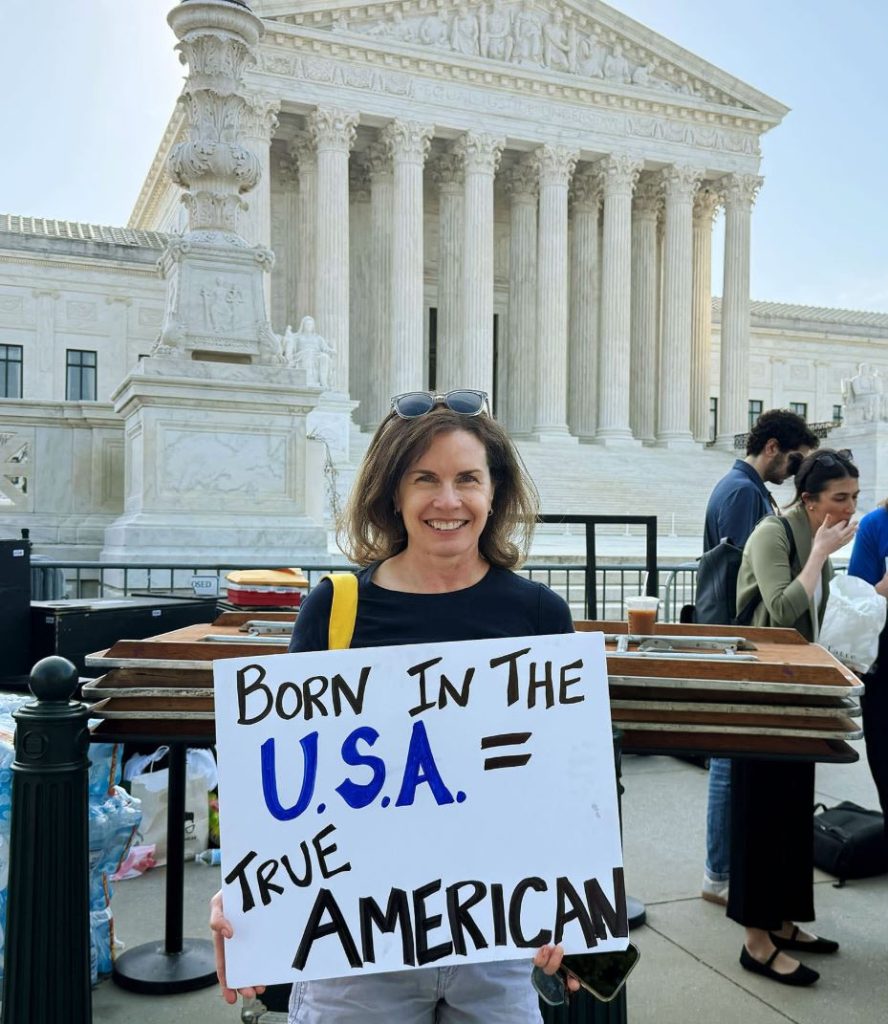
⚠️ Potential Impact
If upheld, the order could affect up to 250,000 babies born annually, requiring families to prove citizenship status for newborns. Critics warn of widespread legal confusion and administrative challenges.
🗓️ Next Steps
The Supreme Court is expected to issue a decision by the end of June. Previous rulings have backed some of Trump’s immigration policies, but birthright citizenship remains a historic and contentious legal principle.