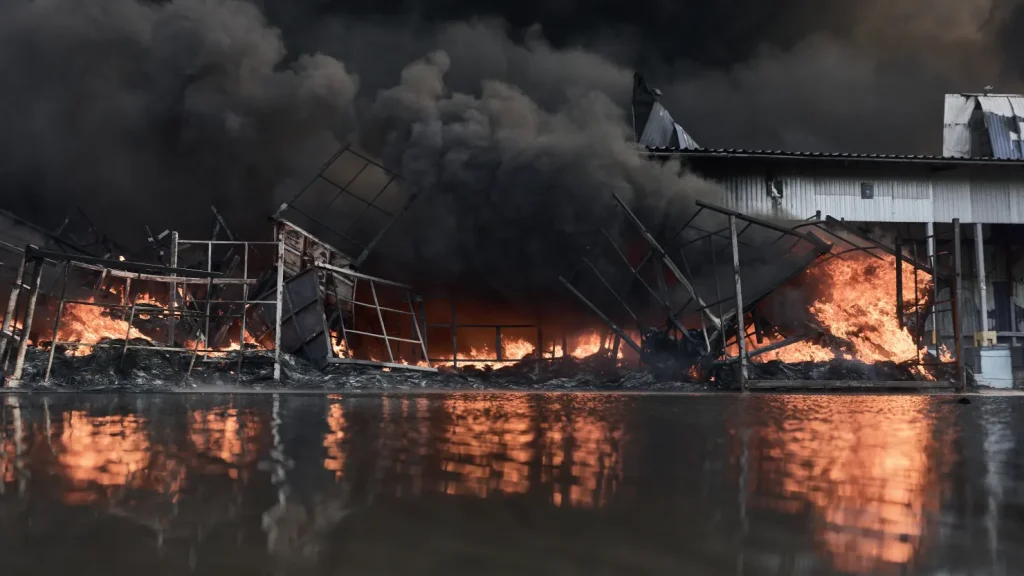

Washington/Tehran – Donald Trump has intensified his rhetoric against Iran, warning that U.S. forces could soon target the country’s critical infrastructure, including bridges and power plants, as the conflict enters a more dangerous phase.
In a late-night post on Truth Social, Trump declared that Iran’s “New Regime leadership knows what has to be done, and has to be done, FAST,” adding that the U.S. “hasn’t even started destroying what’s left in Iran.” He explicitly threatened: “Bridges next, then Electric Power Plants!”
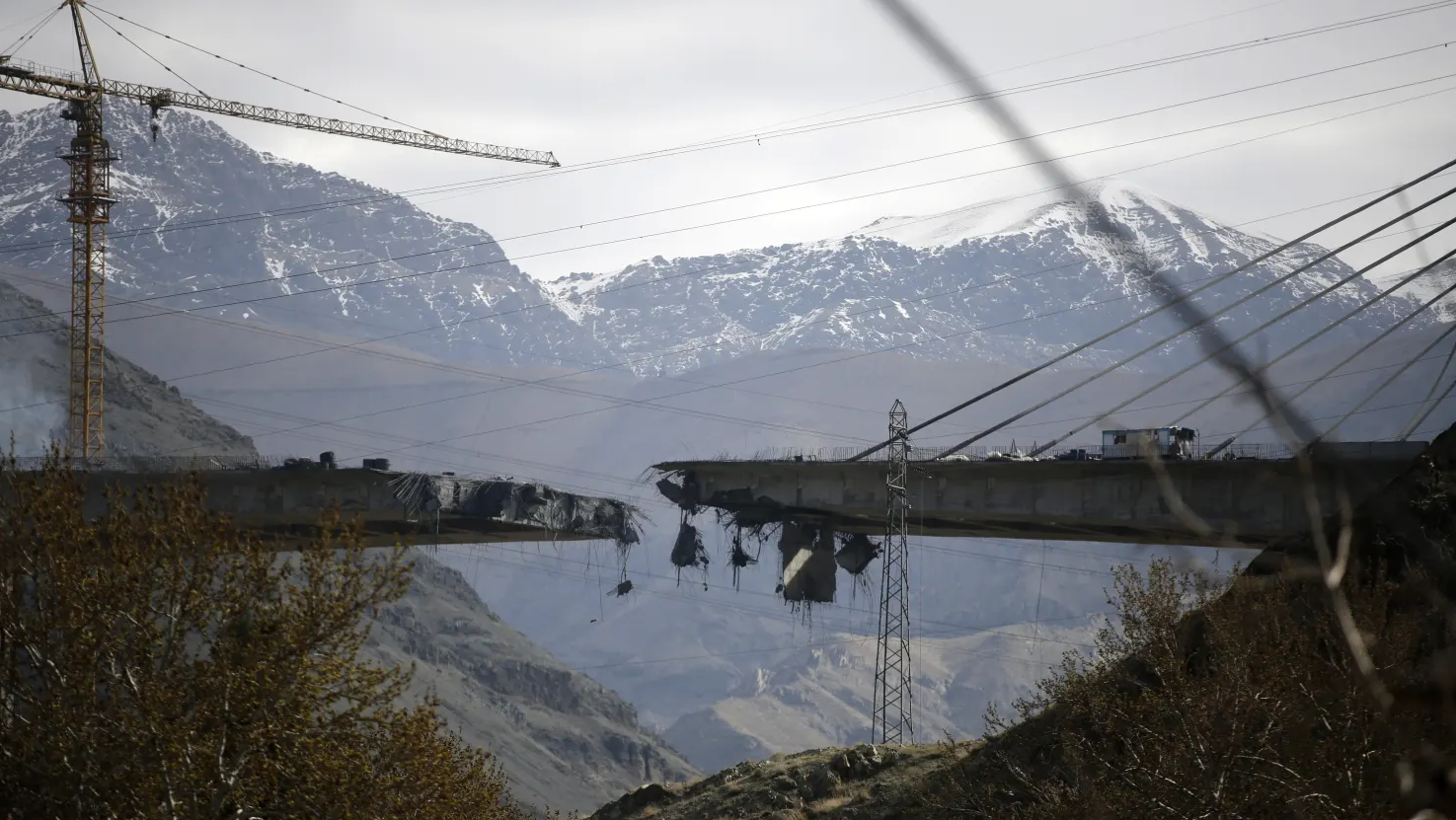
The remarks came shortly after an airstrike destroyed the recently built B1 bridge near Tehran, killing at least eight people, according to Iranian state media. The strike underscores the growing intensity of the conflict, which began on February 28 with coordinated U.S. and Israeli attacks.
Hours after Trump’s statement, Iran’s semi-official Tasnim news agency claimed that a U.S. F-35 fighter jet had been shot down over central Iran. Images circulating online appeared to show debris marked with “U.S. Air Forces in Europe,” though neither United States Central Command nor Iranian authorities immediately confirmed the claim.
Trump’s latest comments follow his national address a day earlier, in which he said U.S. forces would strike Iran “extremely hard” over the next two to three weeks. He also repeated his controversial warning to push Iran “back to the Stone Age.”
Iranian officials responded defiantly. Abbas Araghchi criticized Trump’s remarks, questioning whether Americans truly wanted such escalation, noting that modern energy systems did not exist in the “Stone Age.”
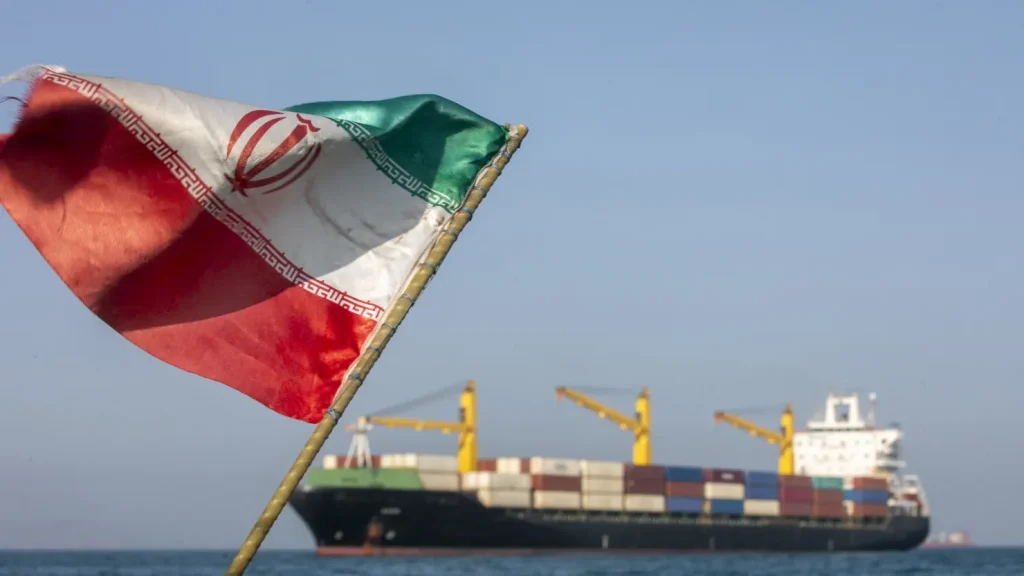
Meanwhile, tensions have spilled into global energy markets. Iran has effectively halted tanker traffic through the strategically vital Strait of Hormuz, raising fears of prolonged disruptions to global oil supply.
Legal experts have warned that deliberate attacks on civilian infrastructure—such as power plants and water facilities—could violate international law and potentially constitute war crimes. In a letter signed by over 100 legal scholars, such actions were described as targeting “objects indispensable to the survival of civilians.”
Diplomatic efforts remain stalled. A proposed United Nations resolution to secure shipping routes in the region failed to advance after objections from China, Russia, and France.
As military threats escalate and negotiations remain uncertain, the situation continues to heighten fears of a wider regional conflict with global economic consequences.