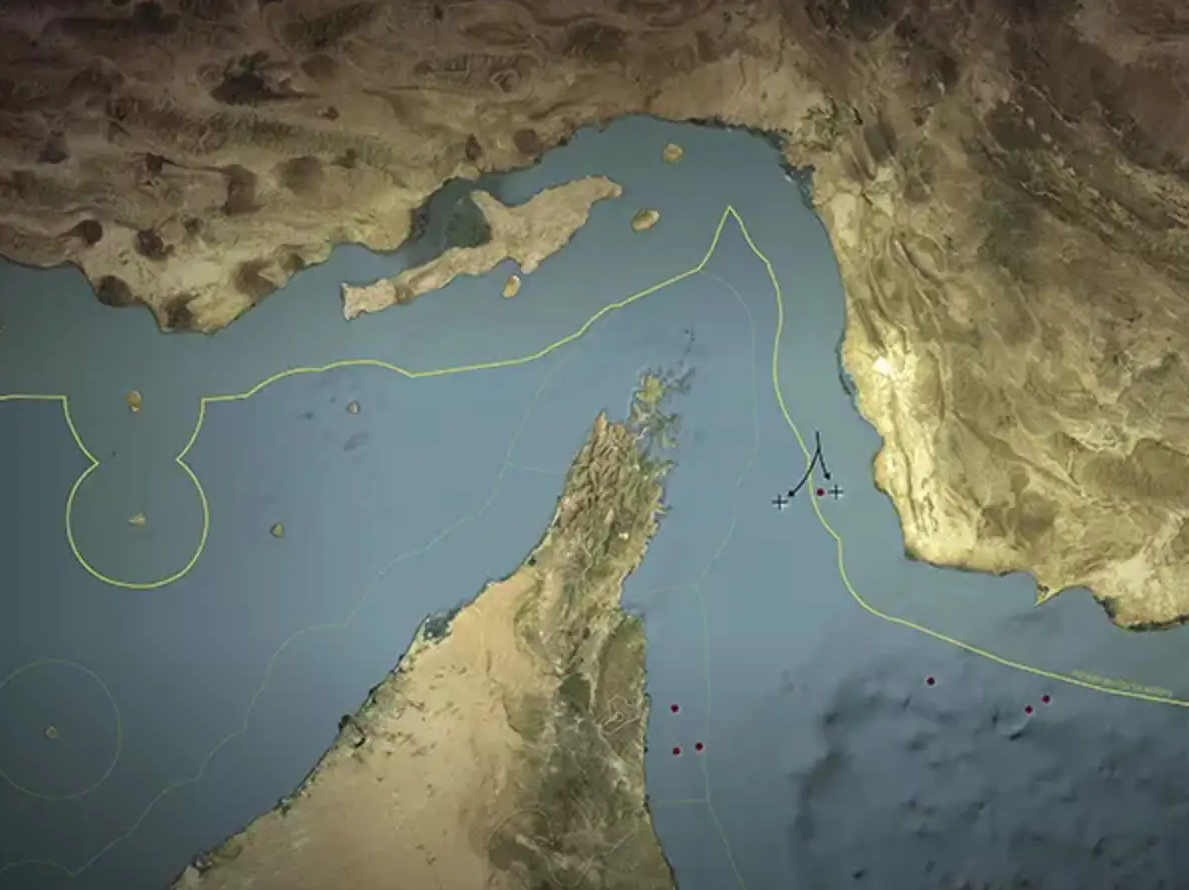

Tehran/Muscat – Iran and Oman are drafting a new protocol to monitor shipping traffic through the strategically vital Strait of Hormuz, raising hopes of easing global energy tensions amid the ongoing regional conflict.
According to Iran’s state news agency IRNA, Deputy Foreign Minister Kazem Gharibabadi said tanker transit through the strait should be “supervised and coordinated” by both countries. He emphasized that the proposed measures are not intended to restrict movement but to ensure safe passage and improve services for vessels navigating the route.
The development comes as the Strait of Hormuz—one of the world’s most critical النفط shipping corridors—has been effectively closed since the start of the Iran war on February 28, following U.S. and Israeli strikes. The disruption has severely impacted global oil supply chains, triggering sharp price increases worldwide.
Financial markets reacted quickly to the news. U.S. stock indexes, which had been trading lower amid escalating الحرب rhetoric from Donald Trump, rebounded following reports of the potential agreement. Oil prices also eased from earlier highs, reflecting cautious optimism that tanker movement could resume without military intervention.
Despite the الأزمة, Trump has maintained that the United States is less vulnerable to the Strait’s closure due to its relatively low dependence on oil imports عبر this route. However, American consumers are still feeling the impact, with gasoline prices rising more than 30% in the past month and surpassing $4 per gallon.
The proposed Iran-Oman coordination mechanism could mark a significant step toward stabilizing global energy markets, though uncertainties remain as the broader conflict continues.