
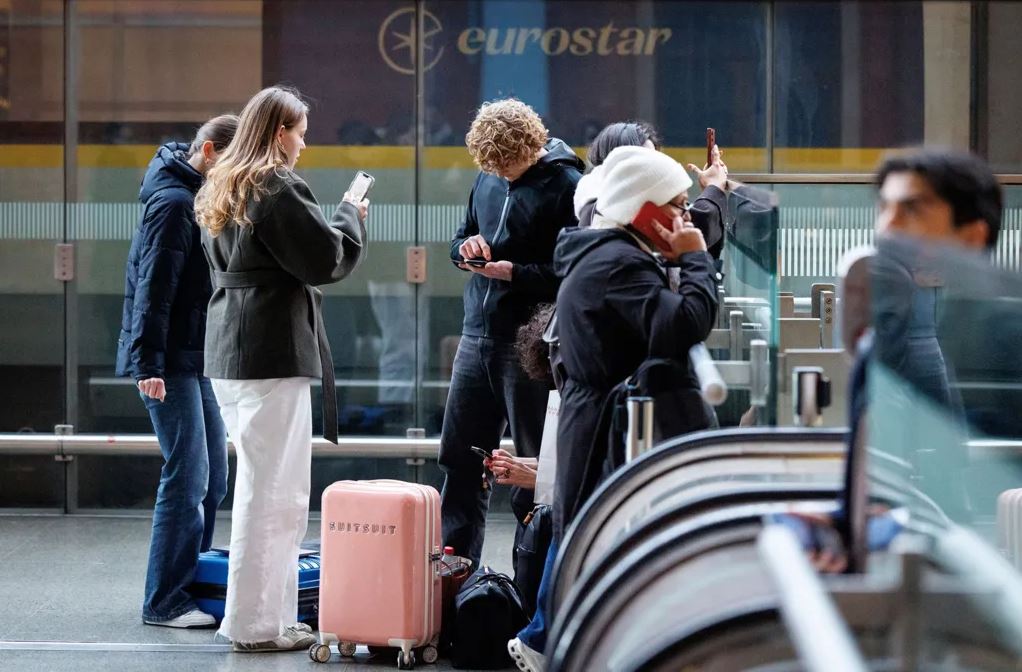

The European Union has started rolling out a new digital border system called the Entry/Exit System (EES), which requires travellers from outside the Schengen Area to provide fingerprints and a facial photograph along with their passport when crossing borders.
The system is being introduced across 29 European countries and is expected to become fully operational at all Schengen border crossing points. It is part of a phased rollout that began in October and is designed to modernise border control and improve security.
The Entry/Exit System is intended to track when non-EU citizens enter and leave the Schengen Area. This includes travellers from the United Kingdom. The Schengen Area covers many popular European destinations such as France, Spain, Italy, Portugal, and Greece.

Under the new rules, travellers will have to register biometric data, including fingerprints and a facial image. This information will be stored digitally and linked to their travel records. The system is expected to eventually replace the traditional practice of passport stamping by border officials.
Some European airports have already reported long queues and delays during the early stages of the rollout. In certain locations, passengers have faced extended waiting times at border control as staff and systems adjust to the new process.
Travel experts and airport authorities say that not all entry points are fully prepared yet, which is contributing to delays. There are also concerns that waiting times could increase further during peak holiday travel periods.
First-time users of the system will need to complete biometric registration upon arrival. After that, future journeys are expected to be processed more quickly once their details are stored in the system.
The European Commission has said that some flexibility may be allowed during busy periods to help reduce congestion while the system is being fully implemented across participating countries.