
Asim Munir, Mohsin Naqvi Travel to Iran as Pakistan Intensifies Peace Efforts
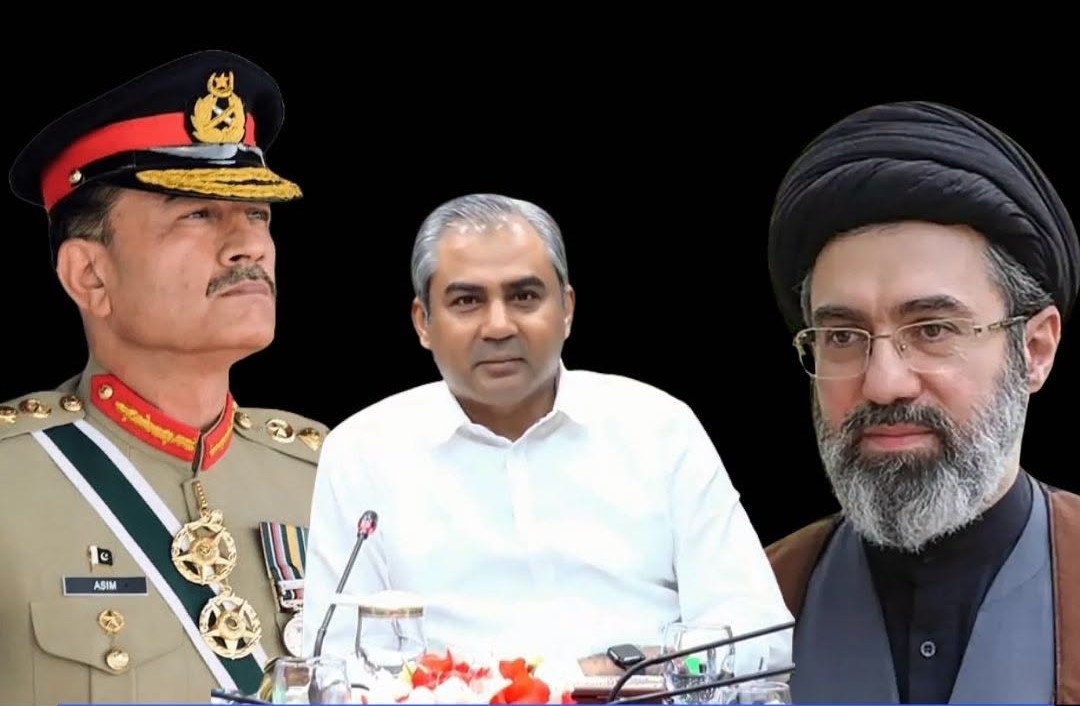
ISLAMABAD: Chief of Defence Forces and Chief of Army Staff Field Marshal Asim Munir and Interior Minister Mohsin Naqvi have departed for Iran as part of Pakistan’s ongoing efforts to promote regional peace and stability.
The Inter-Services Public Relations (ISPR) said on Monday that Field Marshal Munir would focus on supporting efforts for a “peaceful, lasting and comprehensive resolution” to the conflict in the Middle East.
The visit comes as diplomatic efforts continue to address tensions between Iran and the United States and the wider consequences of the conflict for regional security and global energy supplies.
Munir to Hold Talks With Iranian Officials
Iranian Foreign Ministry spokesperson Esmaeil Baqai had earlier said that Field Marshal Munir was expected to travel to Tehran as part of Pakistan’s diplomatic efforts.
According to Baqai, Munir would lead an official delegation and hold meetings with senior Iranian officials.
The visit is also expected to strengthen bilateral cooperation between Pakistan and Iran while continuing Islamabad’s role in supporting peace and security in the region.
Pakistan’s Mediation Efforts
Pakistan has been actively involved in diplomatic efforts aimed at reducing tensions between Iran and the United States.
Islamabad previously helped broker a memorandum of understanding between the two sides as part of efforts to establish a framework for ending the conflict.
However, negotiations have faced significant challenges, with disagreements over sanctions, Iran’s assets held abroad, its nuclear programme and the future of the Strait of Hormuz complicating efforts to reach a lasting settlement.
Strait of Hormuz Remains Key Issue
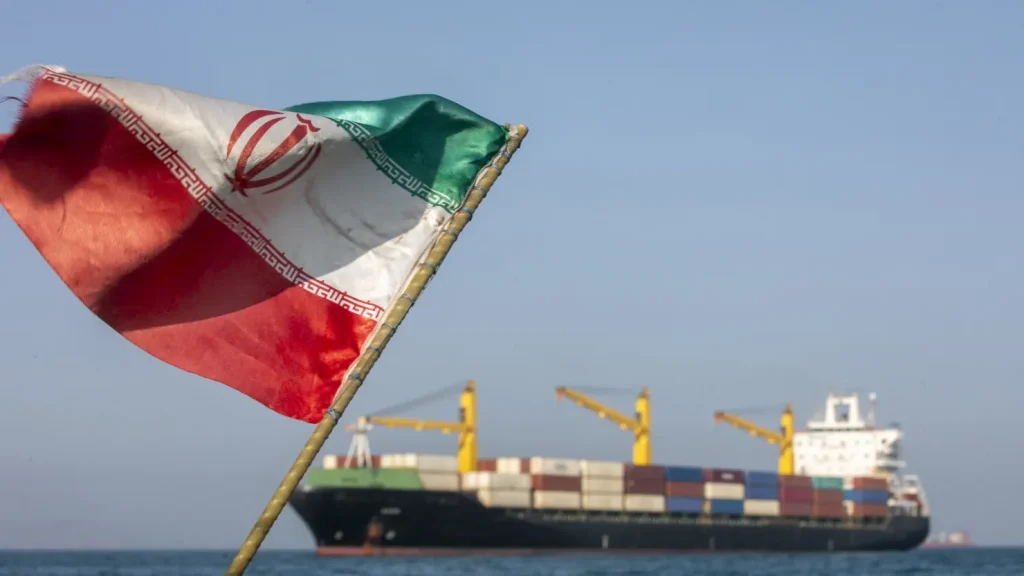
The Strait of Hormuz remains one of the most important flashpoints in the crisis.
The strategic waterway is a major route for global oil and gas shipments, making its disruption a significant concern for international energy markets.
The United States has pushed for the reopening of the waterway, while Iran has linked the issue to broader demands involving sanctions, naval pressure and access to frozen Iranian assets.
Any prolonged disruption could have major consequences for global energy supplies and fuel prices.
US Pressure on Iran
The Pakistani delegation’s visit comes amid growing pressure from Washington on Tehran.
US President Donald Trump has threatened to significantly increase economic pressure on Iran, with Washington preparing additional sanctions aimed at restricting the Iranian economy.
The United States has also urged other countries, including China, to cooperate in efforts to increase economic pressure on Tehran.
Pakistan Seeks Diplomatic Solution
Against this backdrop, Islamabad is continuing to position itself as a facilitator of dialogue between the conflicting sides.
The visit by Field Marshal Munir and Interior Minister Naqvi reflects Pakistan’s broader effort to combine diplomatic engagement with regional security cooperation.
Islamabad has repeatedly stressed that dialogue and diplomacy remain the preferred means of resolving disputes and preventing the conflict from expanding further across the region.
The outcome of the delegation’s meetings in Tehran could provide further indications of whether stalled diplomatic efforts can be revived and whether Pakistan can help bridge differences between the parties.