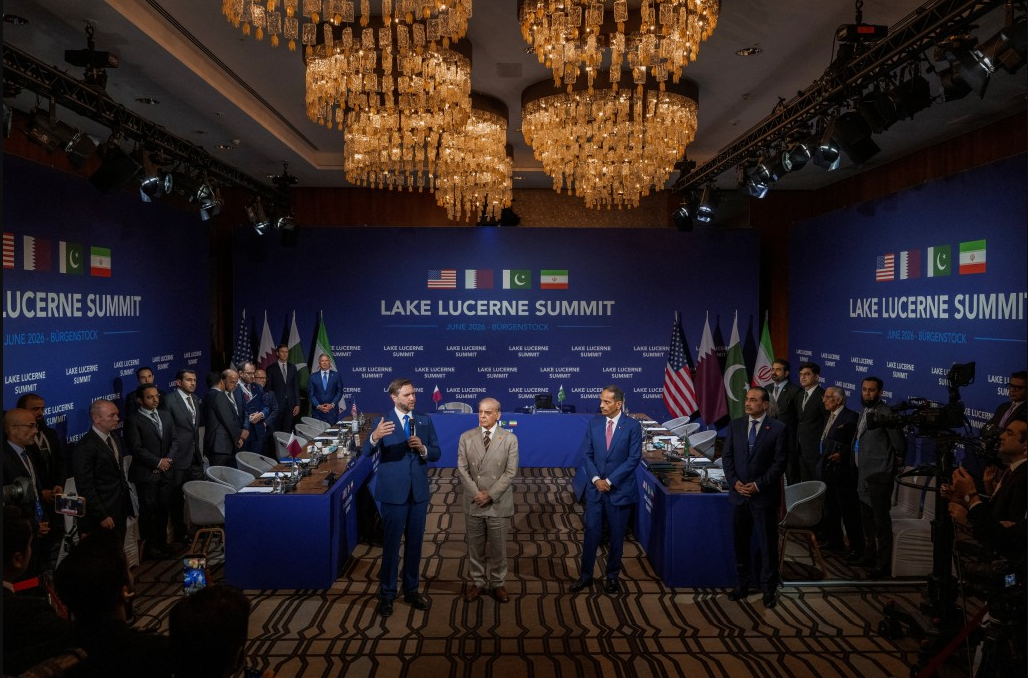

The first round of negotiations between the United States and Iran aimed at securing a permanent peace agreement has concluded with what mediators described as “encouraging progress.”
In a joint statement issued early Monday, Pakistan and Qatar, which are facilitating the talks, announced that a High-Level Committee had agreed on a roadmap to reach a comprehensive agreement within the next 60 days.
The negotiations, held in Lucerne, Switzerland, are part of the peace process launched under the Islamabad Memorandum of Understanding (MoU) signed last week, which ended active hostilities between the two countries and established a framework for future negotiations.
Iranian Foreign Minister Seyed Abbas Araghchi welcomed the outcome, describing the discussions as a significant step toward ending wider regional tensions, particularly the conflict in Lebanon.
In a statement on social media, Araghchi said Pakistani and Qatari mediation had produced “major progress” toward ending the Lebanon conflict. He also highlighted that the agreement includes waivers on oil and petrochemical exports, the lifting of the US naval blockade, the release of some frozen Iranian assets, and the launch of a large-scale reconstruction and economic development programme for Iran.
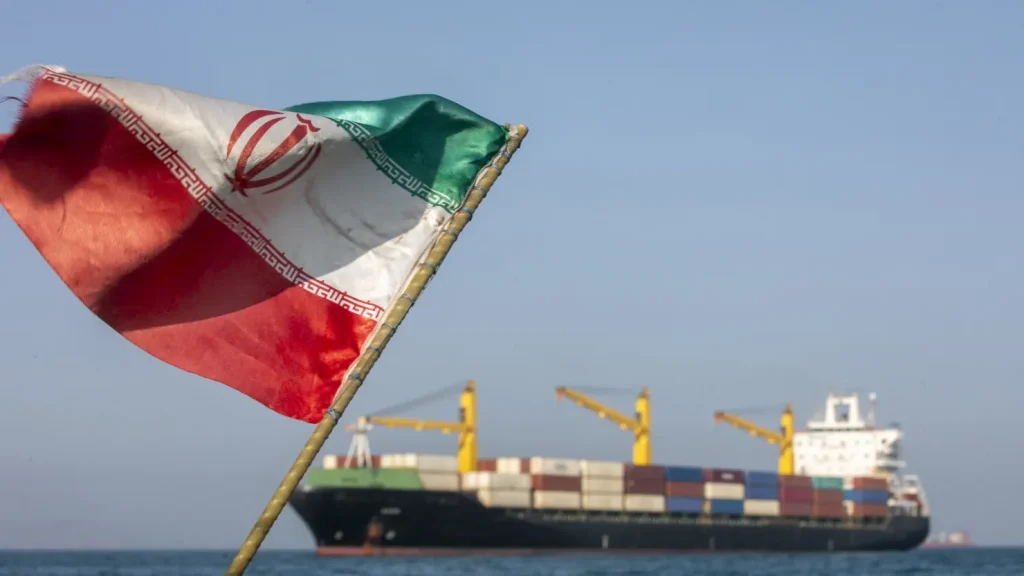
According to the joint statement, both sides also agreed to establish a direct communication line to prevent misunderstandings and ensure the safe movement of commercial vessels through the Strait of Hormuz, one of the world’s most important energy shipping routes.
Another major outcome of the talks was the agreement to establish a de-confliction cell involving the United States, Iran and Lebanon, with Pakistan and Qatar serving as facilitators. The mechanism is intended to reduce military tensions and support efforts toward a lasting ceasefire in Lebanon.
Technical negotiations will continue in the coming weeks after the departure of the Iranian delegation from Switzerland.
Despite diplomatic progress, the situation in Lebanon remains fragile. Clashes between Israeli forces and Hezbollah have continued in southern Lebanon, although reports indicate that violence has eased following a new ceasefire announced on Friday.
US Vice President JD Vance, who led the American delegation, said President Donald Trump wanted negotiators to “turn over a new leaf” and expressed Washington’s willingness to fundamentally improve relations with Tehran if Iran abandons what the US describes as regional destabilisation and any ambitions to acquire nuclear weapons.
Iran has consistently maintained that its nuclear programme is intended solely for peaceful civilian purposes.
While the agreement has reopened the Strait of Hormuz and eased several economic restrictions on Iran, the future of Iran’s nuclear programme remains one of the most sensitive issues still under negotiation.
Diplomatic efforts are expected to continue over the coming weeks as both sides work toward finalising a comprehensive agreement before the 60-day deadline.