
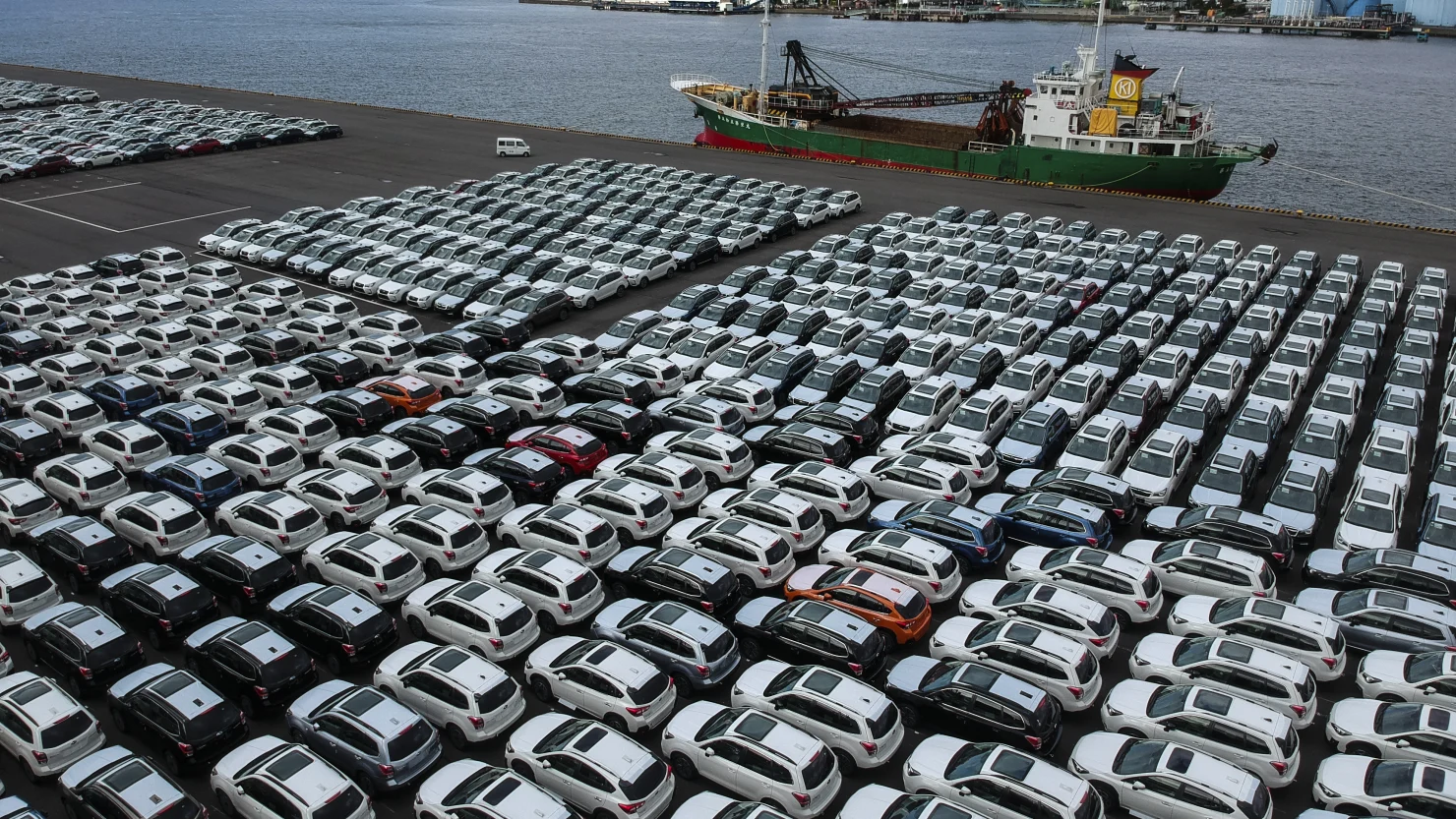

Japanese Automakers Face Double Blow From Iran War and Rising Yen
Japanese automakers are increasingly vulnerable to a combination of geopolitical tensions and currency movements, with the Iran war threatening supply chains and a stronger yen potentially eroding the export advantage enjoyed by the industry.
Toyota, Honda and Nissan recently benefited from a historically weak Japanese currency, with Toyota and Honda upgrading their full-year forecasts while Nissan reported its first profit in around two years.
However, analysts warn that conditions could become less favourable if the yen strengthens and disruptions from the Middle East conflict push up production costs.
Stronger Yen Could Hit Profits
Japanese automakers traditionally benefit from a weaker yen because it makes vehicles exported from Japan more competitive in international markets and increases the value of overseas earnings when converted back into yen.
The yen recently came under pressure after falling beyond 163 to the US dollar, prompting a rare coordinated intervention by the US Treasury and Japan’s Ministry of Finance.
A sustained effort to strengthen the yen could therefore create difficulties for Japanese carmakers.
Analysts say automakers could either raise vehicle prices in overseas markets, potentially risking market share, or absorb the currency impact and accept lower operating profits.
One estimate suggests that a 1% change in the yen can affect Japanese automakers’ operating profits by roughly 2%, although the sensitivity differs between individual companies.
Middle East Conflict Raises Supply Chain Risks
The ongoing conflict involving Iran is creating another challenge for the Japanese automotive industry.
Japanese manufacturers depend heavily on international shipping routes, including the Strait of Hormuz and the Red Sea, for the movement of raw materials and industrial inputs.
Disruptions to these critical maritime routes could increase transportation costs and delay supplies needed for vehicle production.
Rising Raw Material Costs
Higher energy prices are also raising concerns about the cost of materials used throughout the automotive manufacturing process.
Analysts point to commodities including naphtha, resins, aluminum, copper and steel, whose prices can be influenced by oil markets and broader geopolitical instability.
Memory chips and other industrial components could also become more expensive if supply chains face additional disruption.
The result could be pressure on profit margins at a time when automakers are already dealing with intense global competition and changing consumer demand.
Toyota, Honda and Nissan Under Pressure
Toyota and Honda entered the latest period with stronger earnings expectations after benefiting from favourable currency conditions.
Nissan, meanwhile, returned to profit after a prolonged period of financial difficulties.
But the outlook could become more challenging if the yen appreciates significantly while energy, shipping and raw material costs continue to rise.
For Japanese automakers, the combination represents a potentially difficult one-two punch: a stronger yen could weaken overseas earnings and export competitiveness, while the Iran conflict could increase the cost and complexity of producing and transporting vehicles.
Outlook
The future direction of the yen and the trajectory of the Middle East conflict will therefore be closely watched by Japan’s automotive industry.
If geopolitical tensions ease and the yen remains relatively weak, automakers could continue to benefit from favourable currency conditions.
However, a stronger yen combined with prolonged disruption to global shipping and higher commodity prices could significantly squeeze industry profitability.