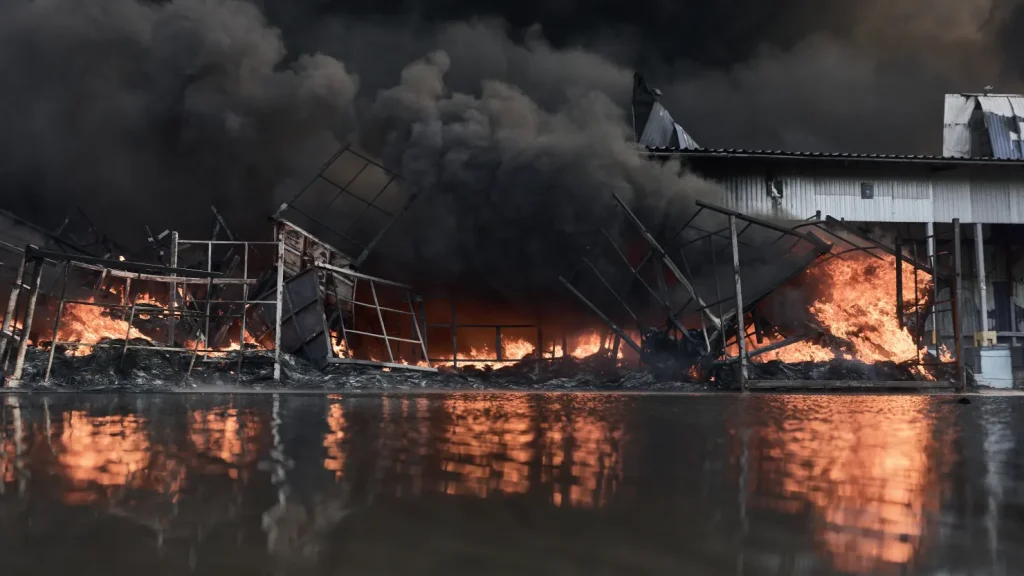
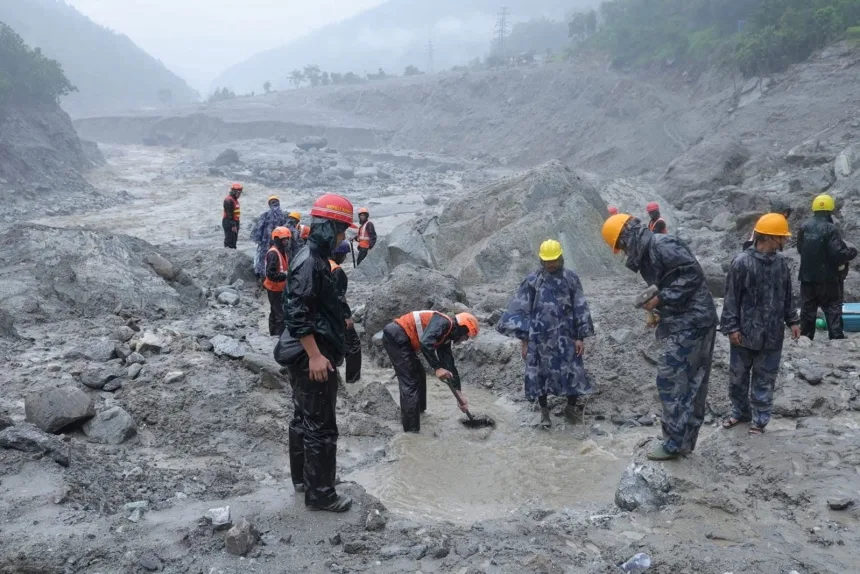

KATHMANDU: A group of hydropower workers in Nepal endured a terrifying six-hour escape through flooded tunnels after a massive surge of water, mud and debris swept through projects along the Trishuli River.
Ram Chandra was among the workers who narrowly survived the disaster. As floodwaters rapidly filled the tunnel where he was working, he grabbed onto metal rungs fixed into the tunnel roof to avoid being swept away.
The workers were hundreds of metres from the exit and struggled to move through the rising water. Chandra said the group used a sheet of tin as a makeshift platform for their feet as they moved forward rung by rung.
Six workers eventually reached safety, later finding another survivor near the tunnel entrance. By the time they emerged, the floodwaters had stripped them of their clothes.
Outside, they were confronted with the scale of the devastation. The river below was still surging, carrying huge quantities of mud, ice and debris downstream.
Hundreds of Hydropower Workers Missing
The disaster has placed Nepal’s hydropower sector at the centre of an urgent rescue operation.
More than 900 workers from hydropower projects in the affected area are reportedly among those missing. Around 279 workers have either been rescued or managed to escape from tunnels filled with mud and silt.
Nepal’s Energy, Water Resources and Irrigation Minister Biraj Bhakta Shrestha said rescuing workers trapped inside hydropower facilities was the government’s highest priority.
Many of the workers came from Jumla in western Nepal and had travelled hundreds of kilometres for employment at hydropower projects. For many families, the disaster has brought devastating uncertainty, with workers still searching for colleagues, relatives and friends.
Workers Trapped Inside Tunnels
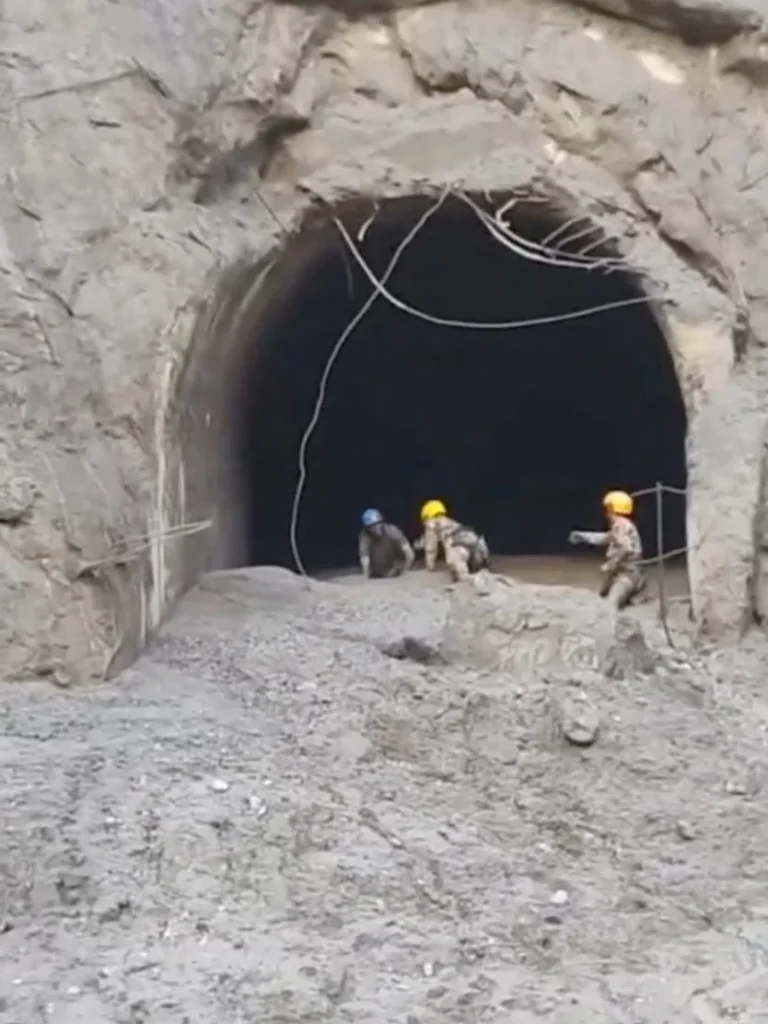
At the Trishuli 3A hydropower plant, rescue teams worked through the night using heavy machinery to remove enormous quantities of mud under floodlights.
Authorities attempted to drill into the facility to provide air and deliver food to potentially surviving workers. As many as 100 people were believed to have been inside the facility.
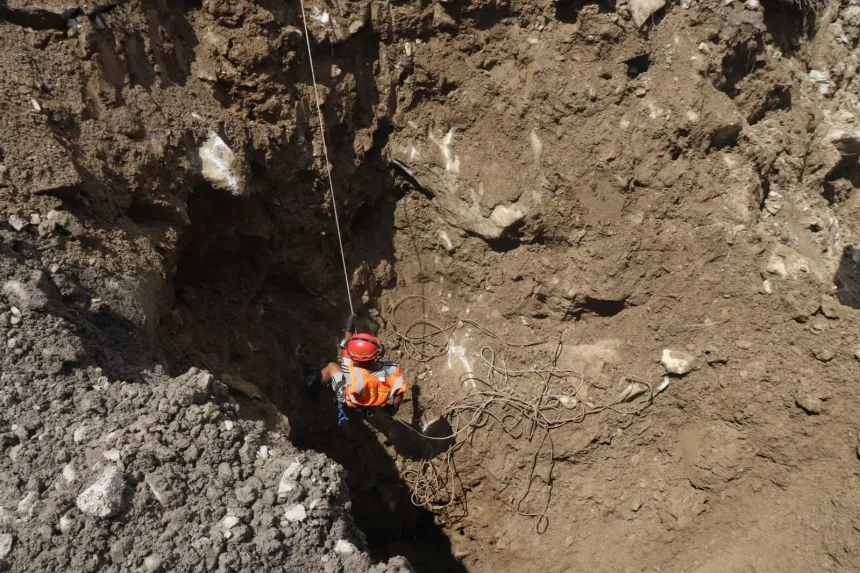
Rescuers also descended into sections of the tunnel using ropes and called out in an attempt to establish contact with anyone trapped underground. No response was initially reported.
Australian geologist Arnold Dix, who previously helped rescue 41 Indian workers trapped inside a Himalayan tunnel in 2023, has been advising emergency teams remotely.
Dix said parts of the structure may have survived the enormous pressure created by the glacial collapse and subsequent flooding. However, rescuers still face uncertainty over how deeply the tunnels may be filled with water and mud.
Families Wait for News
For survivors and rescuers, the tragedy has become deeply personal.
Amar Bista, a tour guide from the region, rushed to the disaster zone after learning that relatives and friends were among those working at the hydropower sites.
He spent days helping identify missing workers and assisting survivors. Many of the people he knew had lost relatives, while others remained unaccounted for.
The survivors eventually began their journey back toward Kathmandu and, from there, to their homes in Jumla.
But for many families, the journey home remains incomplete.
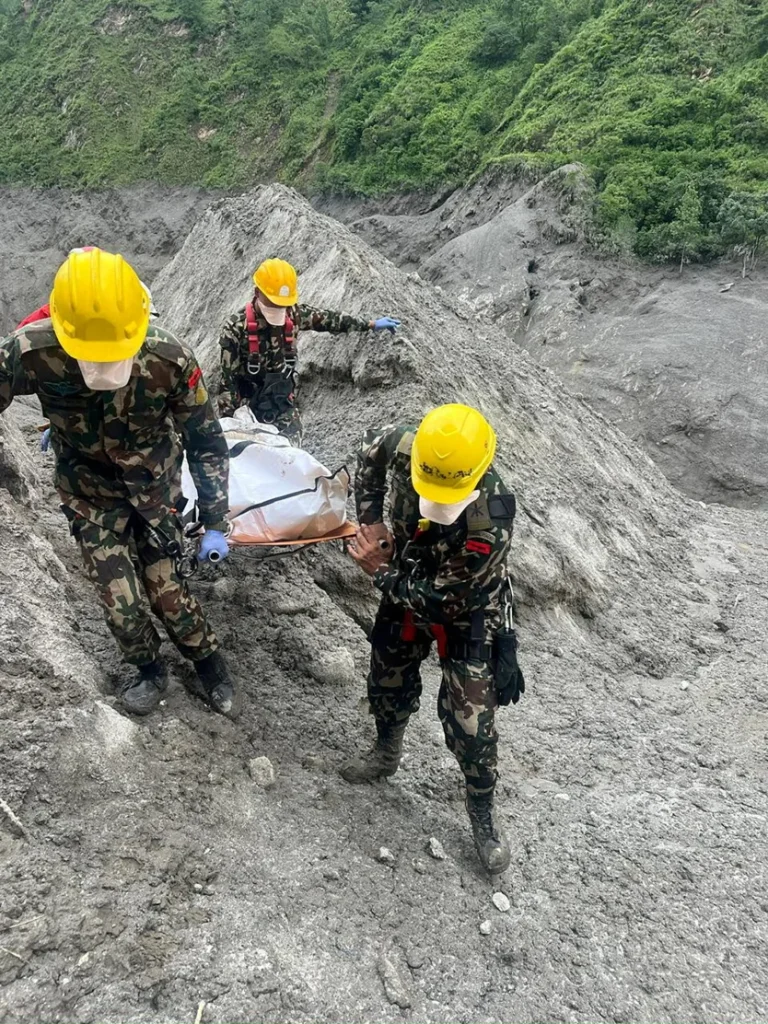
Rescue workers continue to enter dangerous areas in search of those still missing, despite the risks posed by unstable tunnels, mud and continuing flood threats.
The survivors say they want the world to know that rescue teams are continuing to search for their colleagues — including those who may no longer be alive.