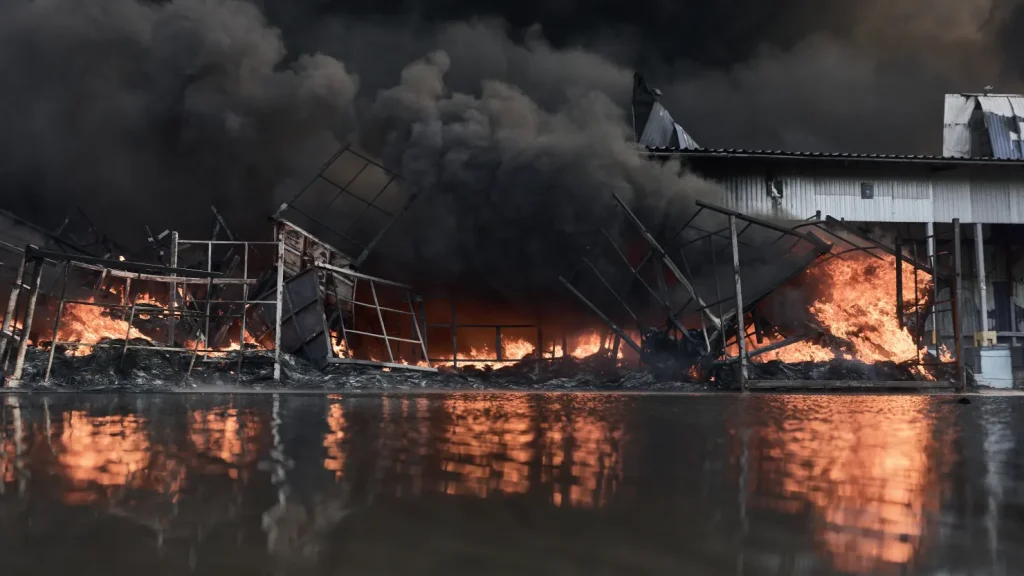
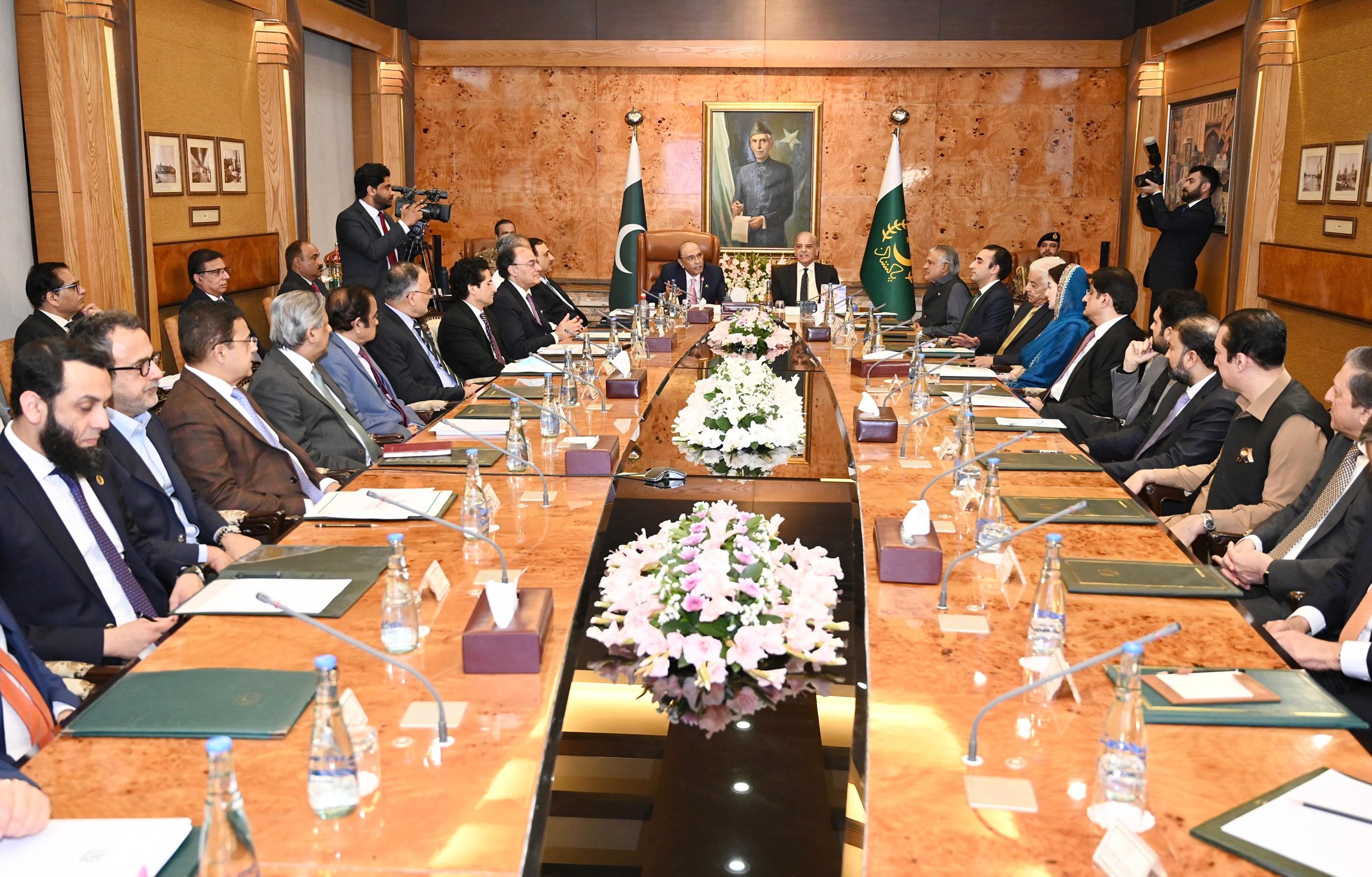

ISLAMABAD: Pakistan’s top civilian and security leadership convened a series of high-level meetings to review the country’s national security environment, economic outlook, and energy challenges amid escalating regional tensions.
Prime Minister Shehbaz Sharif met President Asif Ali Zardari on Monday to discuss the evolving situation, following recent diplomatic engagements aimed at addressing the ongoing conflict in the Middle East.
High-Level Security Consultation
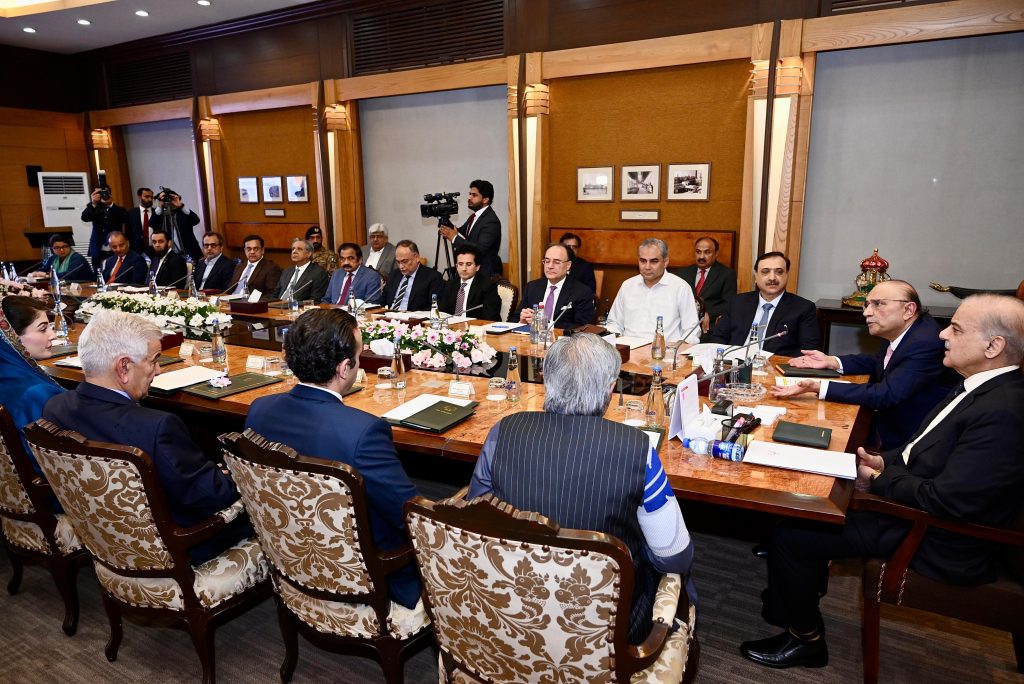
According to an official statement, the meeting was attended by key figures including Deputy Prime Minister and Foreign Minister Ishaq Dar, Bilawal Bhutto-Zardari, and Interior Minister Mohsin Naqvi.
National Security Adviser and ISI Director General Asim Malik also participated, underscoring the strategic importance of the discussions.
Participants conducted a comprehensive review of the national security landscape, focusing on regional developments and their potential implications for Pakistan. Economic pressures, energy concerns, and internal security challenges were also key points of discussion.
Regional Context and Diplomatic Efforts
The meeting followed a quadrilateral ministerial conference in Islamabad involving Saudi Arabia, Türkiye, and Egypt, where officials explored pathways to bring a lasting end to the ongoing regional conflict.
Pakistan’s leadership highlighted the importance of diplomatic engagement and emphasized the need for a unified national response to external challenges.
Energy and Economic Concerns
Amid rising global oil and gas uncertainties, the leadership reviewed measures to ensure energy security and stabilize domestic markets. Officials were briefed that adequate fuel reserves are currently available, with contingency plans in place to manage future demand.
The government has also focused on mitigating the impact of rising prices on the public. Proposals to increase fuel prices have reportedly been rejected, while savings from austerity measures are being redirected toward public relief initiatives.
Expanded Consultative Meeting
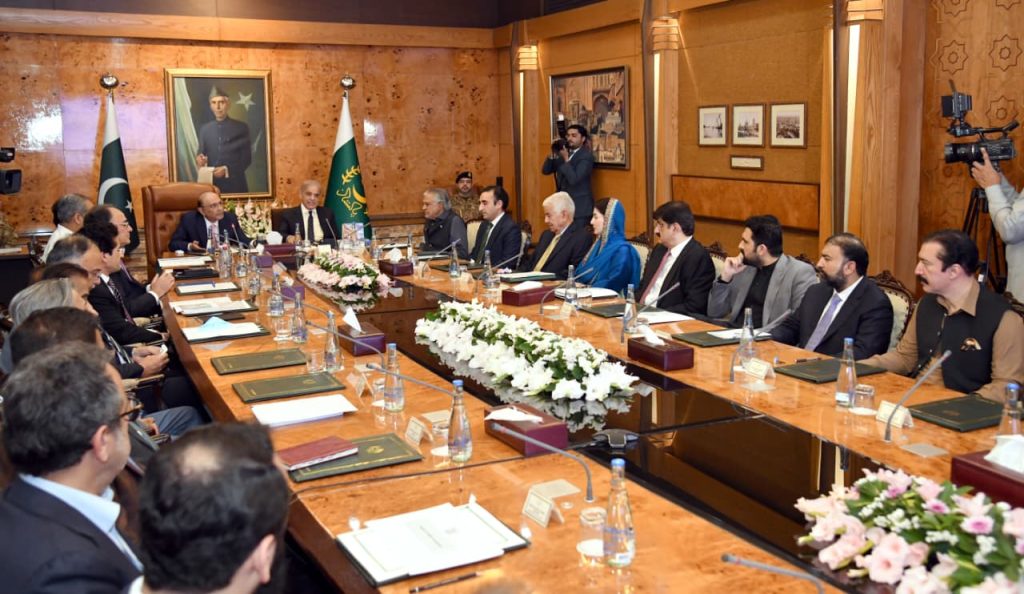
Later, President Zardari chaired an expanded consultative session at Aiwan-i-Sadr, bringing together representatives from all provinces, as well as Gilgit-Baltistan and Azad Jammu and Kashmir.
The meeting reviewed coordinated efforts to manage inflation, ensure the availability of essential goods, and address food security concerns. Officials emphasized the importance of inter-provincial coordination to maintain stability during a period of global uncertainty.
Focus on Public Relief and Coordination
President Zardari stressed the need to protect vulnerable segments of society from economic pressures, directing authorities to take all possible measures to ease the burden on citizens.
He also called for greater public awareness on energy conservation, encouraging reduced fuel consumption, increased use of public transport, and adoption of shared mobility practices.
The leadership underscored the importance of institutional harmony and coordinated decision-making across economic, security, and energy sectors.
Outlook
As regional tensions continue to evolve, Pakistan’s leadership appears focused on balancing security preparedness with economic stability.
With diplomatic efforts ongoing and global uncertainties persisting, officials stress that proactive planning and national coordination will be critical to navigating the challenges ahead.