


Amanda, a 47-year-old volunteer and school governor in a quiet London suburb, says her daily life has changed dramatically over the past two years. Once comfortable wearing her Star of David openly, she now feels it marks her as a target.
She describes being spat at in the street, called a “baby killer,” and receiving death threats — incidents she believes are linked to her Jewish identity. Speaking to BBC Panorama, she says: “It’s hard to be openly Jewish sometimes in everyday life. Living in the UK now for Jewish people is very uncomfortable.”

Her experience reflects a broader sense of unease reported by many British Jews, who say antisemitic incidents have become more frequent and more visible since 2023. In private WhatsApp groups, Amanda says conversations among friends have shifted from community matters to discussions about safety and even emigration.
According to Israeli migration data, more British Jews have moved to Israel in the past year than in any other year since the early 2000s. While the total number remains relatively small compared to the UK’s estimated 300,000 Jewish population, the trend has doubled since 2023. A survey by the Institute for Jewish Policy Research suggests around one in five British Jews has considered leaving the country due to antisemitism.

Multiple interviewees told BBC Panorama they feel increasingly unsafe in public life, including workplaces, universities, and healthcare settings. Laura, a London NHS midwife, says she has faced online abuse and fears being open about her Jewish identity at work. She describes being called slurs and compared with Nazi-related tropes, saying the hostility makes it difficult to feel “psychologically safe” in professional environments.
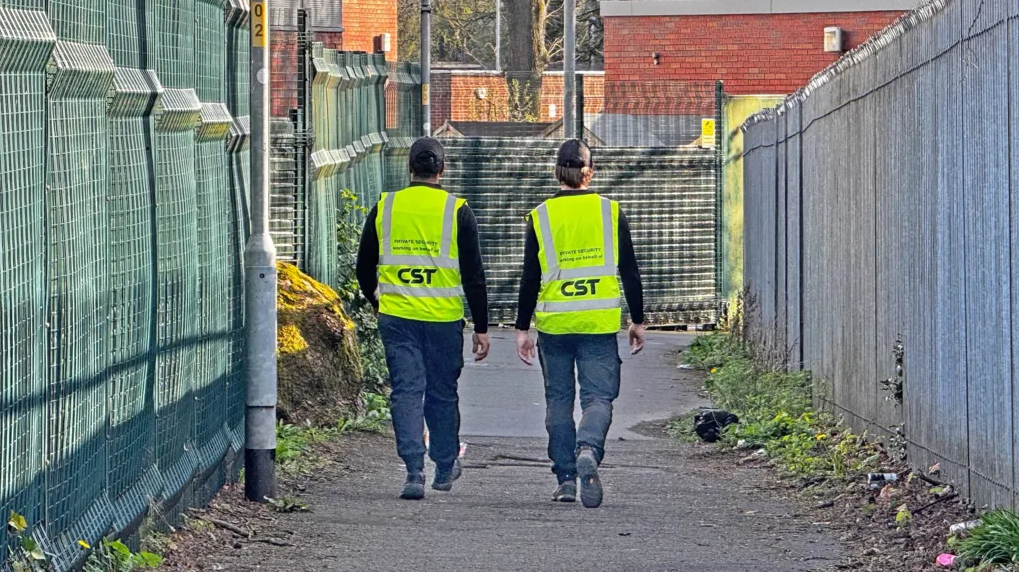
On university campuses, similar concerns are being raised. Students report social isolation, with some Jewish students avoiding shared housing or needing security at events hosted by Jewish societies. Avital, a student in northern England, says even casual social gatherings require security staff in stab-proof vests due to safety concerns.

More extreme cases have also emerged. In one incident, Israeli record producer Itay Kashti was kidnapped in Wales in 2024 after being lured by a fake job invitation. He was later freed after managing to escape, and the attackers were jailed. The judge in the case said he was targeted due to his Jewish heritage.
Security organisations such as the Community Security Trust (CST) report record levels of antisemitic incidents in the UK. The organisation recorded thousands of cases last year, averaging more than 10 incidents per day. These include harassment, vandalism, and online abuse targeting Jewish individuals and institutions.

Police data also shows tens of thousands of hate crimes across England and Wales, with religiously motivated offences rising sharply. Jewish people, despite forming a small percentage of the population, are reported to experience a disproportionately high rate of hate crime per capita.
At the same time, the government has launched reviews into antisemitism across public institutions including the NHS, education, and policing. Officials acknowledge growing concern about hate speech and public safety.

Counter-terrorism experts warn that normalisation of antisemitic rhetoric could increase risks of serious violence. Jonathan Hall KC, the independent reviewer of terror laws, says rising hostility in public discourse may contribute to making Jewish people more vulnerable to extremist targeting.
Police officials say they are monitoring the situation closely and emphasise enforcement against unlawful hate speech and violence. However, community members argue that enforcement alone is not enough to address the growing sense of fear.
Public protests related to the Israel-Gaza conflict have also intensified tensions in the UK, with debates over slogans and demonstrations raising concerns among Jewish communities about safety in public spaces.

Organisers of pro-Palestinian marches say they condemn antisemitism and reject claims that their protests target Jewish people, while Jewish groups continue to report feeling increasingly threatened.
As incidents accumulate, many British Jews describe a shift in everyday life — from openness and visibility to caution, anxiety, and in some cases, plans to leave the country altogether.