

US President Donald Trump has welcomed a new agreement aimed at ending hostilities between the United States and Iran, describing it as a major diplomatic success that could bring peace and stability to the Middle East.
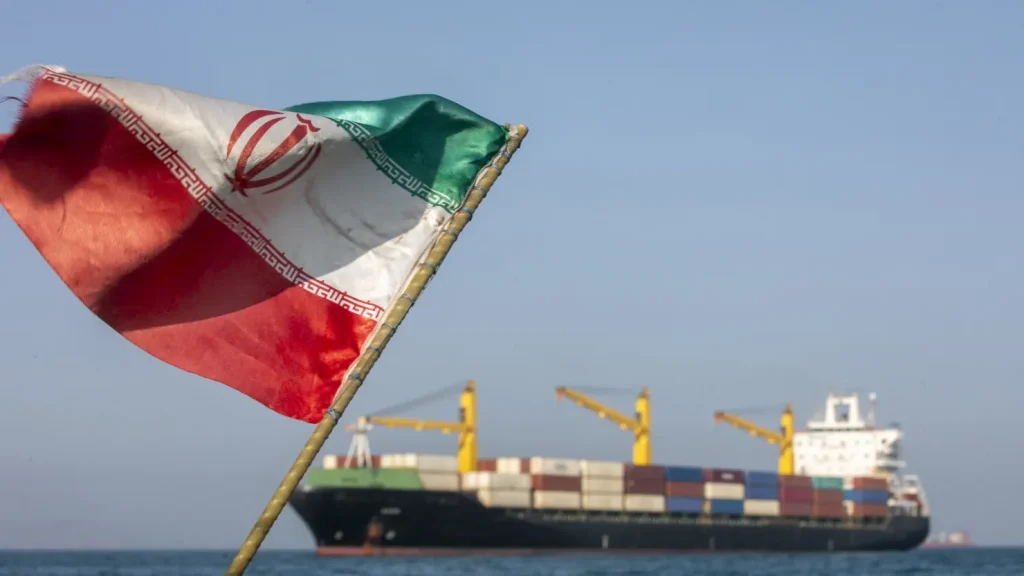
In a social media post, Trump said the Strait of Hormuz would reopen to commercial shipping and that the United States would lift its naval blockade on Iran. “Let the oil flow!” he wrote, claiming the agreement would improve regional security and global energy markets.
Despite the announcement, many important details of the deal remain unclear. US Vice-President JD Vance said the agreement includes measures to ensure Iran does not obtain a nuclear weapon and that the US would be able to verify compliance. However, questions remain about Iran’s uranium enrichment programme and what will happen to its stockpile of highly enriched uranium.
Iran’s Supreme National Security Council said final negotiations would continue only after the other side fulfills its commitments under the memorandum of understanding. Analysts say the success of the deal will depend heavily on how both countries interpret and implement those commitments over the coming weeks.
Energy experts also warned that oil shipments through the Strait of Hormuz may not immediately return to normal. Clearing stranded tankers, ensuring safe navigation and restoring full production could take several weeks.
Another major concern is the role of Israel. Reports suggest Trump was unhappy with Israeli Prime Minister Benjamin Netanyahu over recent military actions in Lebanon, fearing they could jeopardize the fragile agreement with Iran. Any renewed escalation involving Israel, Hezbollah or Iran could again threaten shipping through the Strait of Hormuz and disrupt global markets.
The deal comes at a politically important moment for Trump, who is facing criticism over the US economy and rising energy prices. Analysts say lower fuel prices in the coming weeks could help ease public pressure ahead of the November midterm elections, but much depends on whether the ceasefire and negotiations hold.