

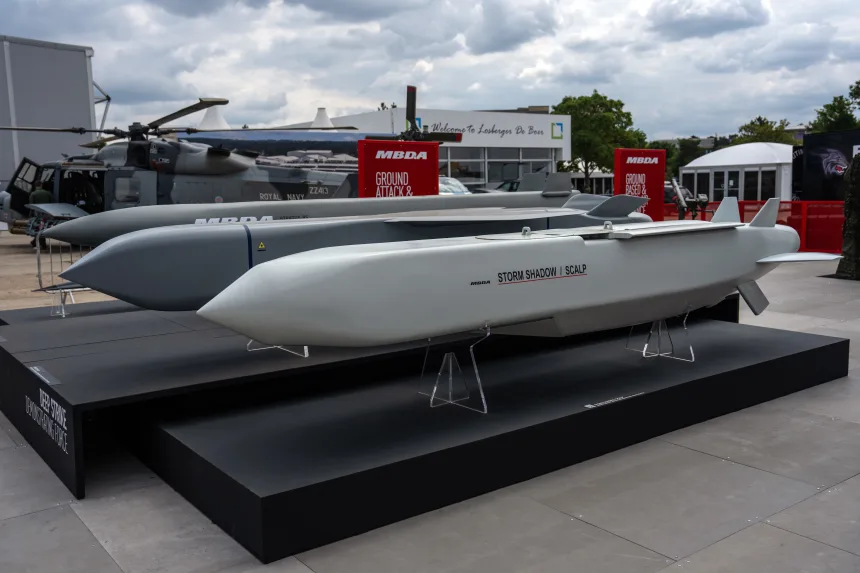
Britain is preparing to release classified technology to Ukraine to enable the domestic production of the Franco-British SCALP cruise missile, known as Storm Shadow in the United Kingdom, in a move aimed at strengthening Kyiv’s long-range strike capabilities.
France and Ukraine are seeking to establish a production line for the missiles in Ukraine by the end of the year. The declassification of information relating to British-made components represents an important step towards enabling local manufacturing.
The SCALP, produced by European defence company MBDA, is a conventionally armed, long-range cruise missile designed to strike targets deep behind enemy lines. Ukraine has previously used imported SCALP/Storm Shadow missiles against Russian military targets.
The missile has a reported range of up to 550 kilometres and carries a 400-kilogramme penetrating warhead. It uses a combination of satellite navigation, terrain-reference navigation and an infrared seeker to identify and strike targets with a high degree of precision.
The weapon is designed to fly at low altitude, helping it evade some air-defence systems. Ukraine has employed the missile from Su-24 and Mirage 2000 fighter aircraft.
Boost to Ukraine’s Long-Range Strike Capability
Domestic production could give Ukraine greater control over its supply of long-range weapons at a time when Kyiv is seeking to reduce its dependence on foreign military assistance.
The SCALP is particularly suited to attacking hardened and buried military facilities, including command centres and other strategically important installations that are more difficult to destroy with conventional drones.
Britain and France have not publicly disclosed the total number of SCALP/Storm Shadow missiles supplied to Ukraine. Production of the weapon was restarted after MBDA reactivated manufacturing lines in response to increased demand.
However, establishing a Ukrainian production capability is unlikely to produce large numbers of missiles immediately. Scaling up manufacturing could take considerable time and would require access to specialised components, industrial infrastructure and technical expertise.
Air Defence Remains a Major Weakness
While longer-range missiles could improve Ukraine’s ability to strike Russian military infrastructure, they do not address one of Kyiv’s most pressing challenges: the shortage of defensive missile interceptors.
Ukraine has repeatedly appealed for additional air-defence systems, including Patriot batteries and interceptors, as Russia continues to launch large-scale missile and drone attacks.
The shortage of interceptors has reportedly left some Ukrainian air-defence units unable to respond to incoming attacks as frequently as required.
Kyiv has also sought permission to manufacture Patriot interceptors domestically, although efforts to secure expanded access to US-made systems have faced obstacles.
Ukraine Expands Indigenous Weapons Production
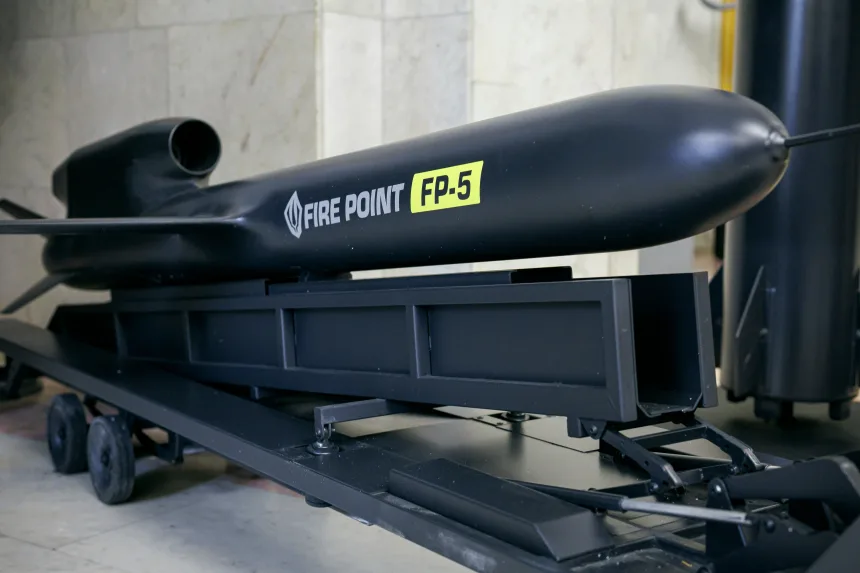
Ukraine has simultaneously been developing its own long-range weapons. Domestic manufacturers have produced increasingly capable cruise missiles and long-range drones designed to strike targets deep inside Russian territory.
The development of indigenous systems has given Kyiv additional options as Western supplies remain constrained.
Ukraine’s growing ability to conduct long-range strikes is also forcing Russia to spread its air-defence resources across a much larger area, potentially creating additional vulnerabilities for Moscow.
The planned Ukrainian production of SCALP/Storm Shadow missiles therefore represents more than an increase in missile numbers. It could mark another step towards Ukraine developing a sustained domestic long-range strike capability while reducing its reliance on imported weapons.
However, the overall impact will depend on how quickly production can be established, how many missiles can ultimately be manufactured and whether Ukraine can simultaneously strengthen its air-defence network.