
The United States and Iran have exchanged attacks in the first major military escalation between the two sides in more than a month, raising fresh concerns that the prolonged conflict could intensify once again.
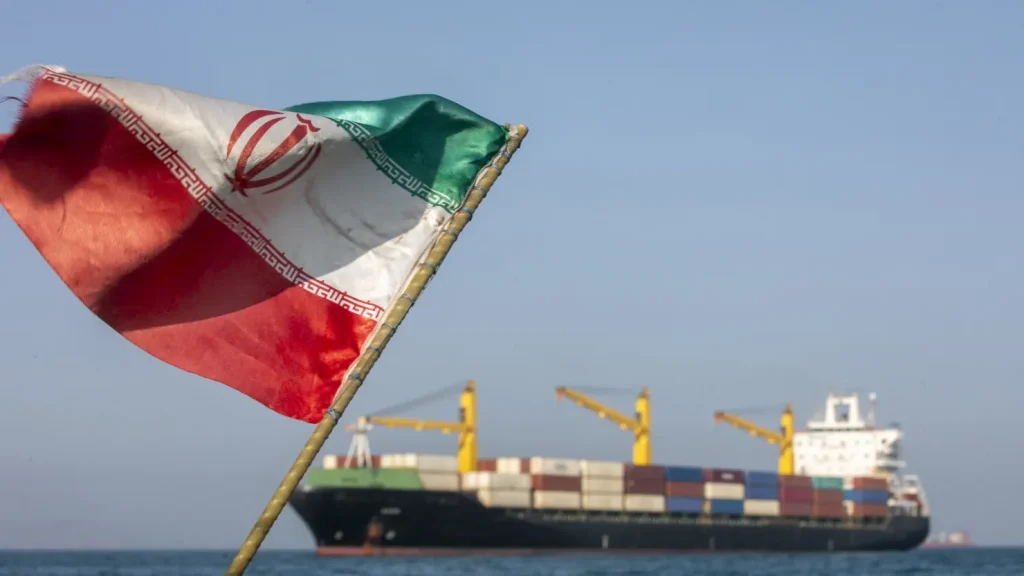
The latest confrontation centred on the Strait of Hormuz, the strategically vital waterway through which a significant share of global energy supplies passes.
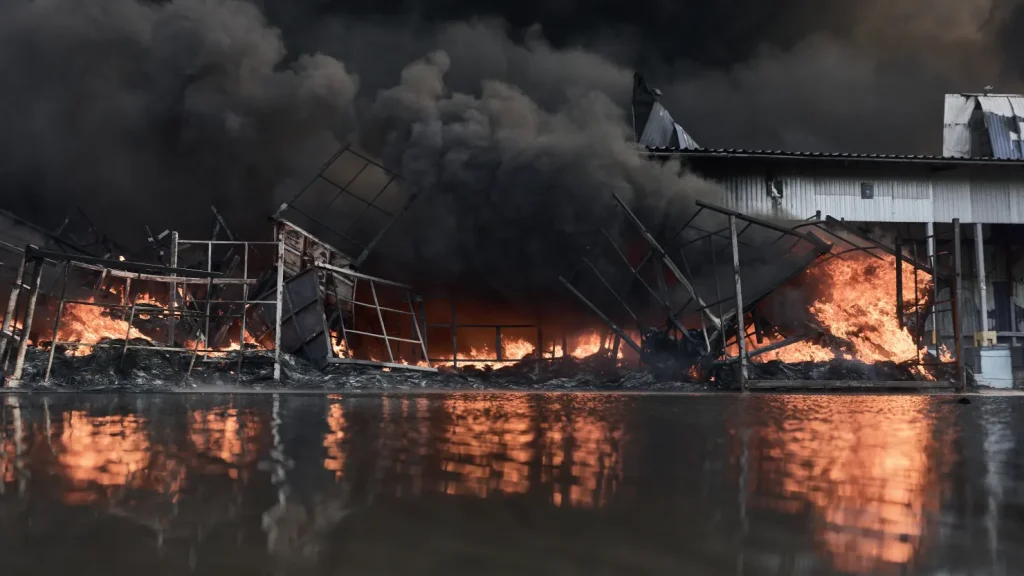
The United States said it carried out a strike on Iran’s Larak Island after observing Iranian forces preparing to launch rockets carrying sea mines into the strait.
Iran subsequently launched missiles toward US military targets in Jordan, describing the American strike as an act of aggression that required retaliation.
The United Arab Emirates also said its air defences intercepted a drone approaching its territorial waters from Iran.
US Strikes Iranian Mine-Laying Forces
US Central Command said American forces conducted what it described as a limited and precise strike against two Iranian rocket launchers on Larak Island.
According to CENTCOM spokesperson Captain Tim Hawkins, US forces had observed Iranian personnel preparing to launch rockets with mines into the Strait of Hormuz.
The US military said the operation was intended to prevent what it considered an imminent threat to commercial shipping and civilian vessels using the waterway.
The strike reportedly caused casualties among Iranian forces and civilians, according to Iranian state media.
Iran’s leadership strongly condemned the operation.
President Masoud Pezeshkian said Tehran was not seeking war but would respond to aggression, while Iran’s Islamic Revolutionary Guard Corps described the US action as a serious strategic mistake and threatened retaliation.
Iran Retaliates
Iran later claimed it had targeted US military positions in Jordan and the UAE.
Jordanian authorities said their air defence systems intercepted and destroyed eight missiles that entered the country’s airspace. Officials said the missiles were neutralised before they could threaten civilians or property.
The UAE also reported intercepting a drone approaching its territorial waters.
The incidents mark a significant escalation after several weeks in which direct military exchanges between Washington and Tehran had declined.
The latest confrontation comes only days after US President Donald Trump declared that the Strait of Hormuz had been cleared of mines and warned that any attempt by Iran to lay new mines would face an immediate military response.
Strait of Hormuz Remains at the Centre of the Conflict
The Strait of Hormuz has become one of the most important flashpoints in the wider US-Iran confrontation.
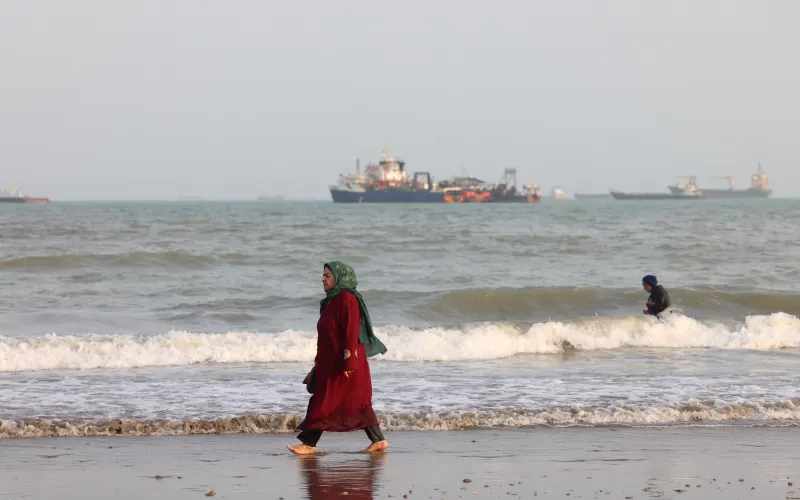
The waterway is critical to international energy markets, with oil and gas shipments passing through the narrow maritime corridor connecting the Persian Gulf with the Gulf of Oman.
Washington has insisted on maintaining the free movement of commercial shipping, while Tehran has sought to use control over the waterway as leverage in its confrontation with the United States.
US forces recently completed operations to clear sea mines from international shipping routes, according to the Trump administration.
Iran, however, has linked the future of navigation through the strait to broader negotiations over sanctions, security arrangements and the wider conflict.
Diplomacy Remains Stalled
The latest military exchanges come as direct negotiations between the United States and Iran remain stalled.
The White House said there were no ongoing negotiations between Washington and Tehran, although Iran and Oman have continued discussions over a possible arrangement to restore maritime traffic through the Strait of Hormuz.
Qatar and other regional mediators have also supported diplomatic efforts aimed at preventing another escalation.
Pakistan has separately been involved in efforts to encourage dialogue and de-escalation between the two sides.
Oil Prices Rise
The renewed military confrontation immediately affected global energy markets.
Brent crude, the international benchmark, rose 2.8% to $90.57 a barrel, while US crude increased 2.7% to $85.64.
The rise reflects renewed concerns that further military action around the Strait of Hormuz could disrupt energy shipments and increase costs for consumers and economies around the world.
Meanwhile, Washington is continuing to increase economic pressure on Tehran. US Treasury Secretary Scott Bessent has indicated that the United States could introduce new secondary sanctions on Iran on a weekly basis, initially focusing on banks.
With military tensions now rising again alongside intensified economic pressure, the future of the Strait of Hormuz remains central to the next phase of the US-Iran conflict.