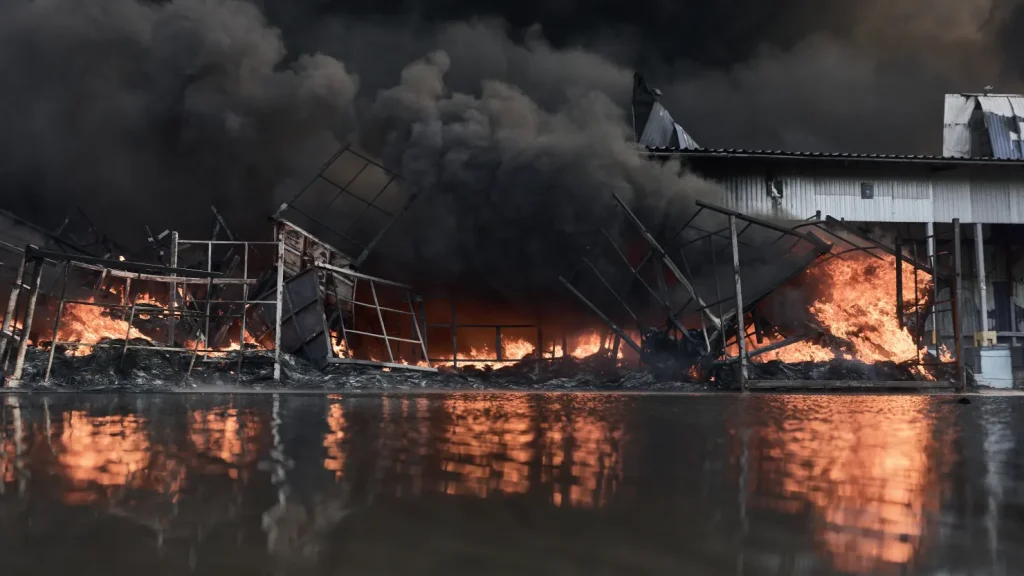


The United States and Iran have agreed on a framework deal aimed at ending months of conflict and restoring stability in the Middle East. While the agreement has raised hopes for economic recovery and smoother global trade, experts say it may take weeks or even months before conditions fully return to normal.
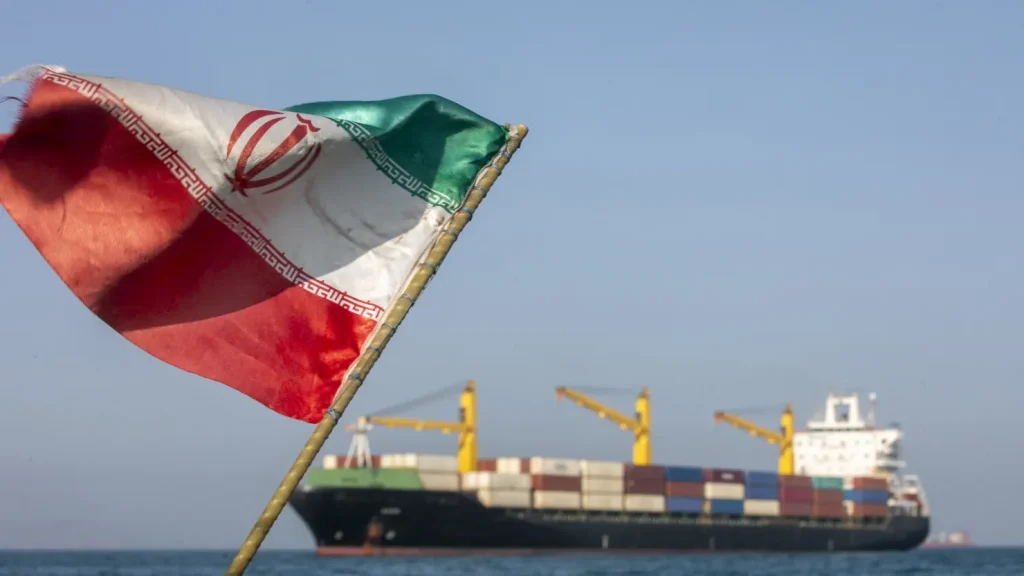
One of the most important parts of the deal involves reopening the Strait of Hormuz, a critical shipping route through which around 20% of the world’s oil and liquefied natural gas normally passes. The waterway has faced severe disruption since the conflict began, leaving hundreds of vessels stranded and pushing global energy prices sharply higher.
US President Donald Trump welcomed the agreement and announced plans to reopen the strait for commercial shipping. However, shipping experts caution that the process will not happen immediately. Mines must be cleared, vessels repositioned, and security concerns addressed before normal traffic resumes.
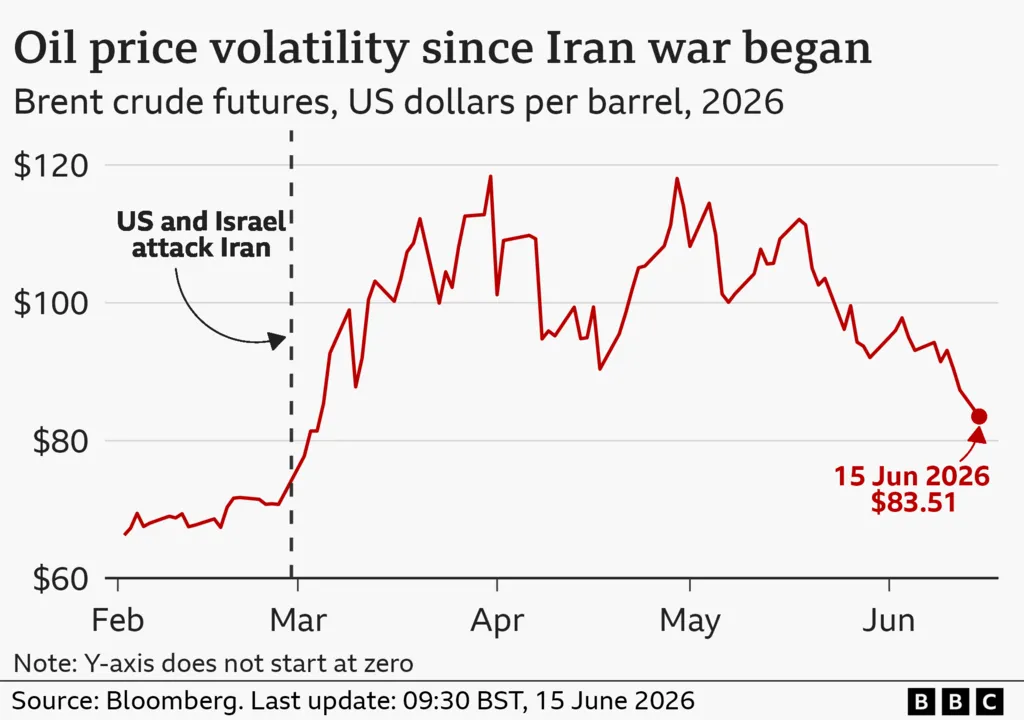
Oil prices have already fallen from wartime highs following news of the agreement. During the conflict, Brent crude oil prices surged above $120 per barrel before dropping after the deal was announced. Analysts believe prices could continue to ease if the agreement holds and energy supplies return to normal.
The conflict also disrupted fertilizer supplies, increasing costs for farmers worldwide. While the deal could eventually improve fertilizer availability, experts warn that some agricultural sectors may continue to feel the effects because planting seasons are already underway in many regions.
Global inflation and interest rate expectations have also been affected by the war. Rising energy costs forced many central banks to delay plans for lowering interest rates. If oil prices continue to decline, businesses and consumers could benefit from lower borrowing costs and improved economic confidence.
Despite the optimism, analysts stress that the long-term success of the agreement depends on future negotiations and whether both sides fully implement their commitments. Any renewed tensions in the region could quickly reverse recent gains in energy markets and global trade.
For now, the deal represents an important step toward stability, but a complete return to normal economic conditions is expected to take time.