
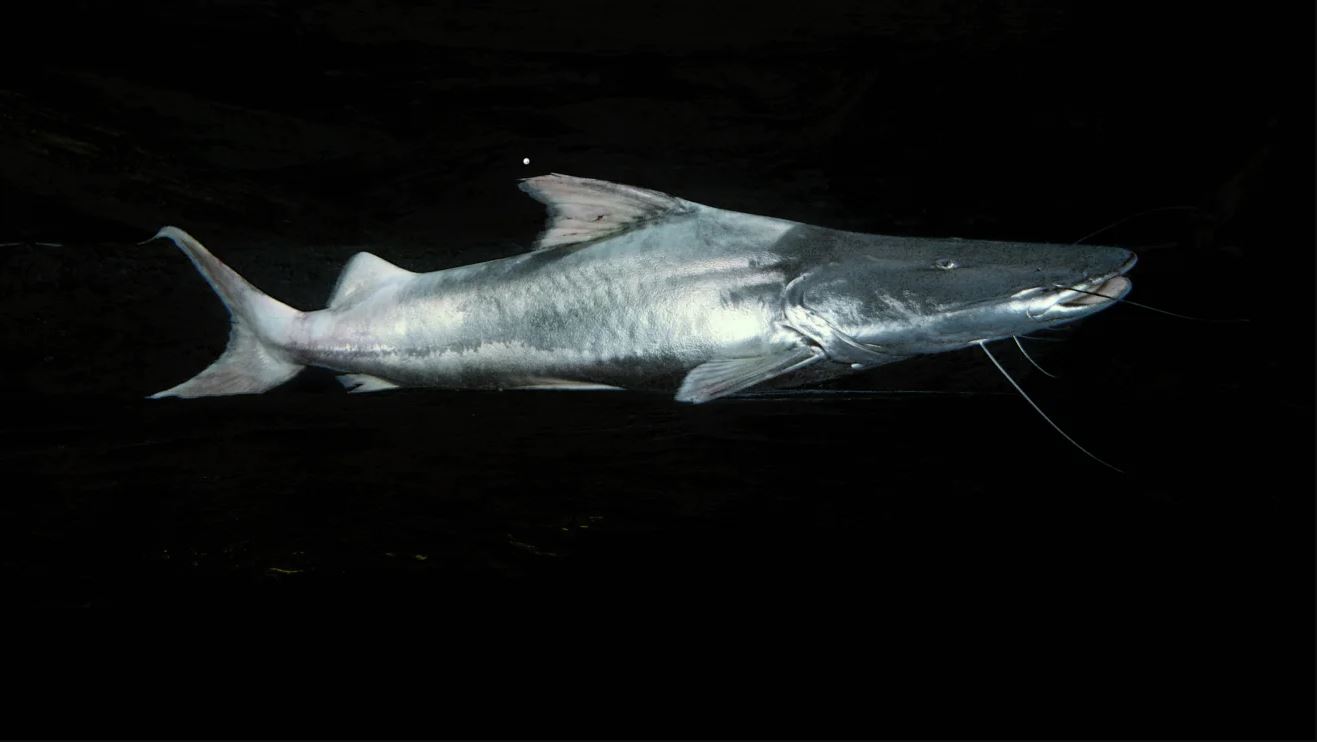

AMAZON: The dorado catfish, a six-foot fish weighing up to 200 pounds, completes the world’s longest freshwater migration, traveling 7,000 miles round-trip across the Amazon River system. Scientists discovered the full extent of this journey only in recent years.
The dorado, also known as the gilded catfish, spawns in the Amazon River’s headwaters in the Andes. Its larvae drift thousands of miles downstream to the estuary where the river meets the Atlantic Ocean. This nutrient-rich brackish water serves as a nursery, allowing juveniles to grow before embarking on the 1-2 year journey back to the Andes to spawn and continue the cycle.
However, this historic migration route is now threatened by hydropower dams and river fragmentation. These barriers prevent the fish from reaching breeding sites, causing steep population declines.
In response, Brazil proposed an international action plan at the UN-backed Convention for the Conservation of Migratory Species (CMS). The plan, signed by six countries, aims to maintain river connectivity and protect the dorado along with six other migratory Goliath catfish species.
Dr. Zeb Hogan, biology professor at the University of Nevada and freshwater fish councilor for CMS, said, “The dorado is incredibly important to people living along the Amazon River. We need international cooperation to protect these incredible animals.”
Migratory species are challenging to protect because they cross borders. The dorado is found in nine South American countries. Actions in one part of the river affect the entire system. Studies show that after two dams were built in Brazil, dorado numbers in Bolivia, a key spawning area, dropped by 80% over 15 years.
The loss of dorado not only threatens the species but also disrupts the ecosystem. As an apex predator, the catfish maintains balance by controlling populations of smaller species in the river.