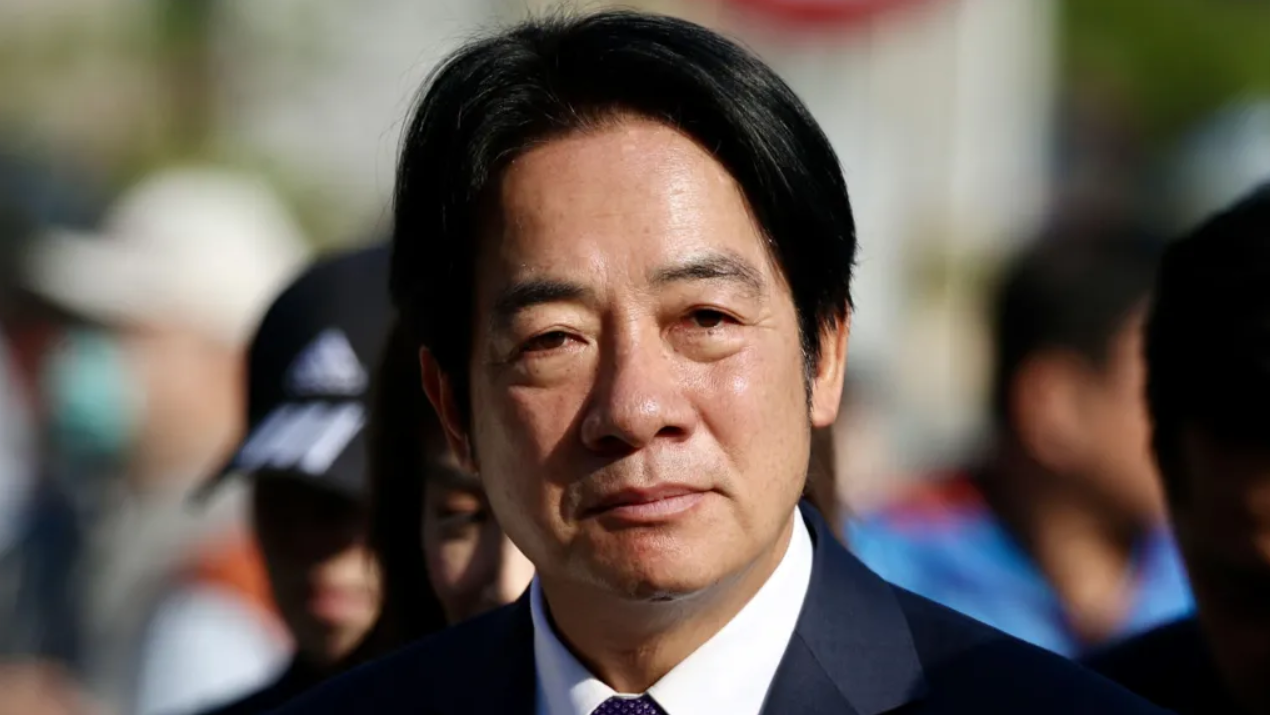

Lai Ching-te, the president of Taiwan, has cancelled his planned diplomatic visit to Eswatini after several African nations denied his aircraft permission to use their airspace—an unprecedented move widely seen as a result of pressure from China.
According to Taiwanese officials, countries including Seychelles, Mauritius, and Madagascar revoked overflight permits following what Taipei described as “intense pressure” and economic coercion from Beijing. China has denied these claims but praised the decisions of the African nations, calling them consistent with its long-standing “One China” policy.
This marks the first known case of a Taiwanese president being forced to cancel an overseas visit due to airspace restrictions. The trip was intended to strengthen ties with Eswatini—Taiwan’s only remaining diplomatic ally in Africa and one of just a dozen countries worldwide that officially recognize Taiwan.
Beijing considers Taiwan a breakaway province and has increasingly sought to isolate it diplomatically on the global stage. The Chinese government has been particularly critical of President Lai, previously labeling him a “troublemaker” and accusing him of undermining regional stability.
Responding to the situation, Lai condemned what he described as China’s “coercive actions,” warning that such tactics highlight the risks authoritarian governments pose to the international system. “No amount of threats or coercion will shake Taiwan’s resolve to engage with the world,” he said in a public statement.
Despite the setback, Eswatini reaffirmed its commitment to its longstanding diplomatic relationship with Taiwan, stating that the cancellation would not impact bilateral ties. Lai had been scheduled to attend events marking the 40th anniversary of King Mswati III’s reign.
The incident has also drawn international attention. Some lawmakers in the United States have criticized the African nations’ decisions, framing them as evidence of growing Chinese influence and diplomatic pressure tactics.
As geopolitical tensions intensify, the episode underscores the fragile nature of Taiwan’s international engagements and the expanding reach of China’s foreign policy strategy.