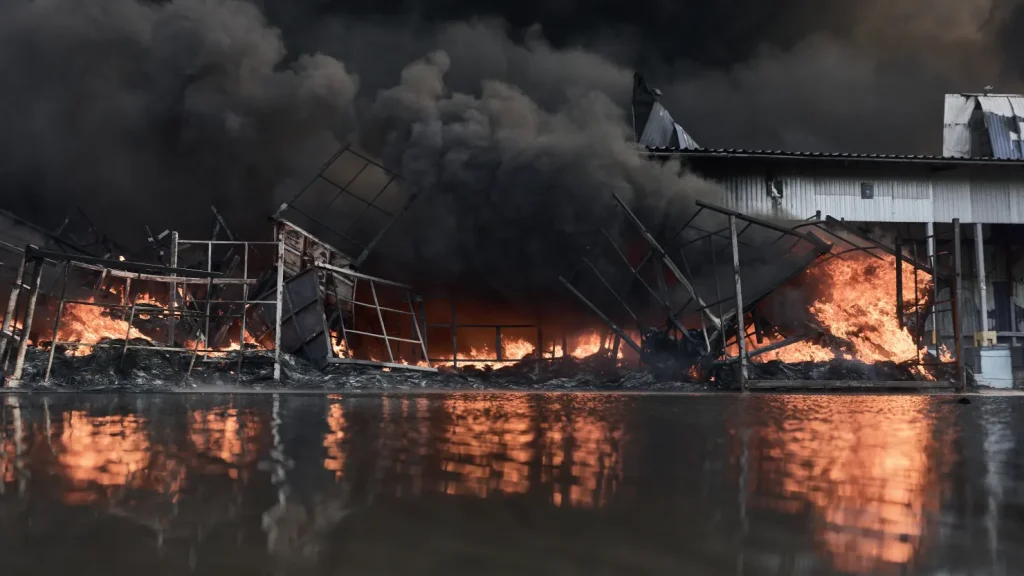

U.S. President Donald Trump has extended the ceasefire with Iran, delaying a potential escalation of conflict and buying more time for negotiations aimed at ending the war that has now stretched close to two months.
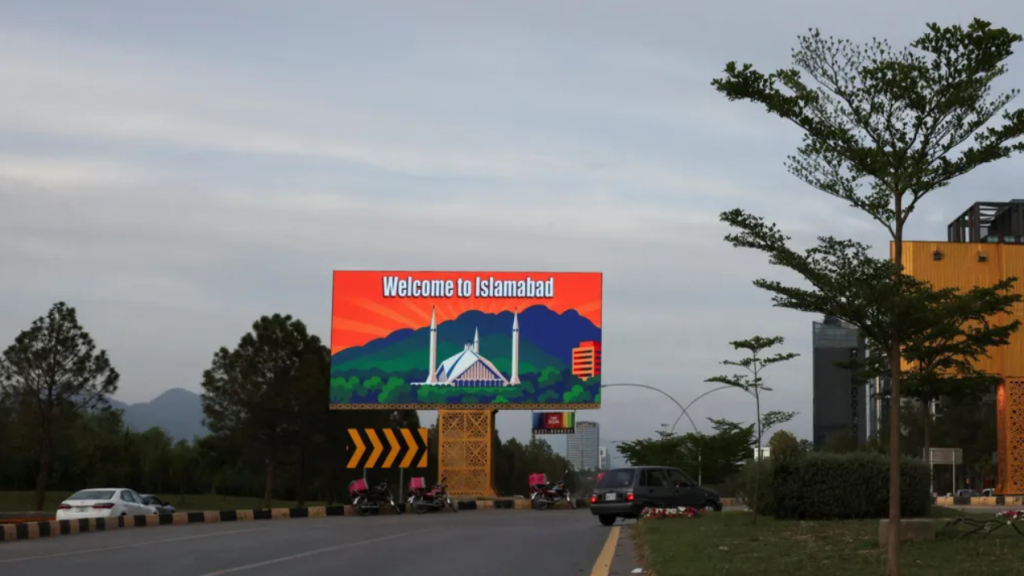
The decision came after a chaotic day of diplomacy in Washington, where preparations were initially underway for Vice President JD Vance to travel to Islamabad for another round of high-stakes peace talks. However, the trip was ultimately postponed amid uncertainty over Iran’s participation and a lack of clarity on whether Tehran would send representatives.
As discussions unfolded behind closed doors, key members of the U.S. negotiating team, including envoy Steve Witkoff and senior adviser Jared Kushner, returned to Washington instead of proceeding to Pakistan. Vance also remained in the capital for policy meetings, as Trump and his top advisers weighed their next steps.
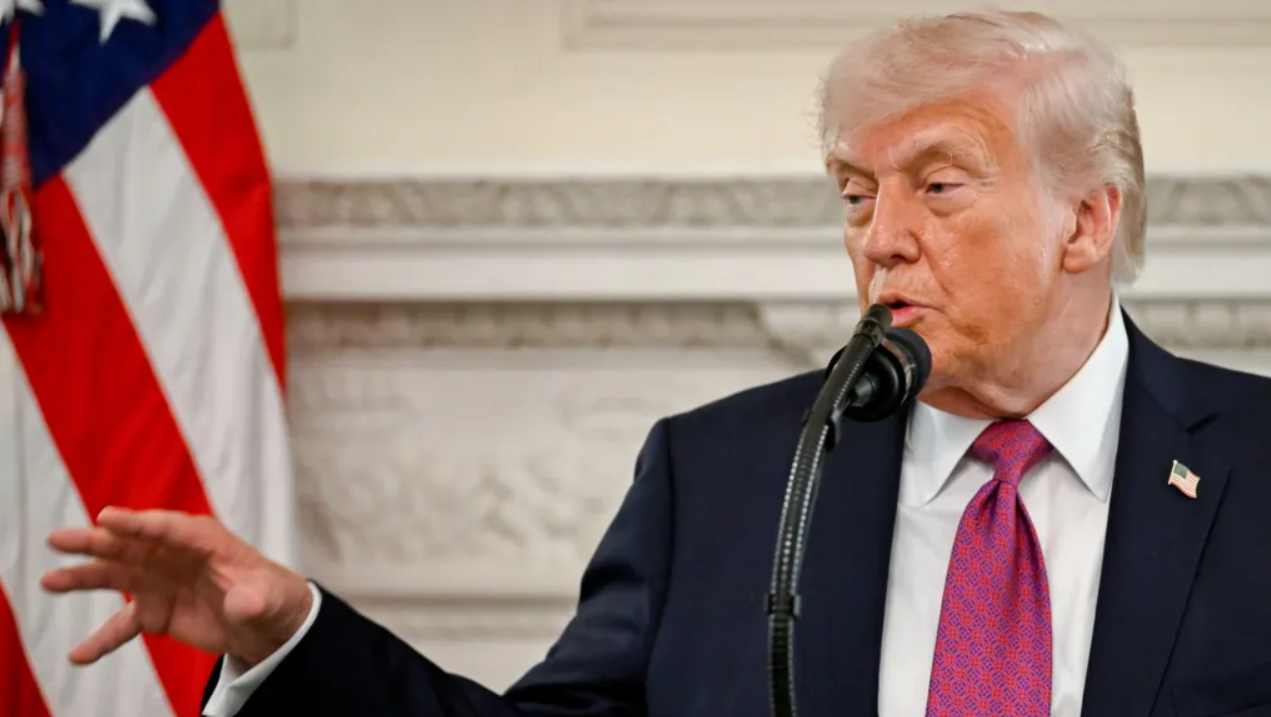
Later, Trump announced via social media that the ceasefire—originally set to expire Wednesday—would be extended at the request of Pakistan, which has been acting as a mediator between Washington and Tehran.
“We have been asked to hold our attack on the country of Iran until such time as their leaders and representatives can come up with a unified proposal,” Trump said, without specifying a new deadline.
The move marks the second time in recent weeks that Trump has stepped back from the brink of renewed military escalation, signaling a more cautious approach as global pressure mounts to end the conflict. Analysts say the decision reflects both diplomatic realities and domestic political considerations, as the war continues to strain the global economy and test support among Trump’s political base.
Experts note that the absence of a fixed timeline adds a new layer of uncertainty. While the extension creates space for negotiations, it also leaves unanswered questions about how long the ceasefire can hold and whether both sides are willing to compromise on key issues.
“There is no clear formula for ending wars,” said former U.S. diplomat James Jeffrey, highlighting the delicate balance between military pressure and diplomatic outreach.
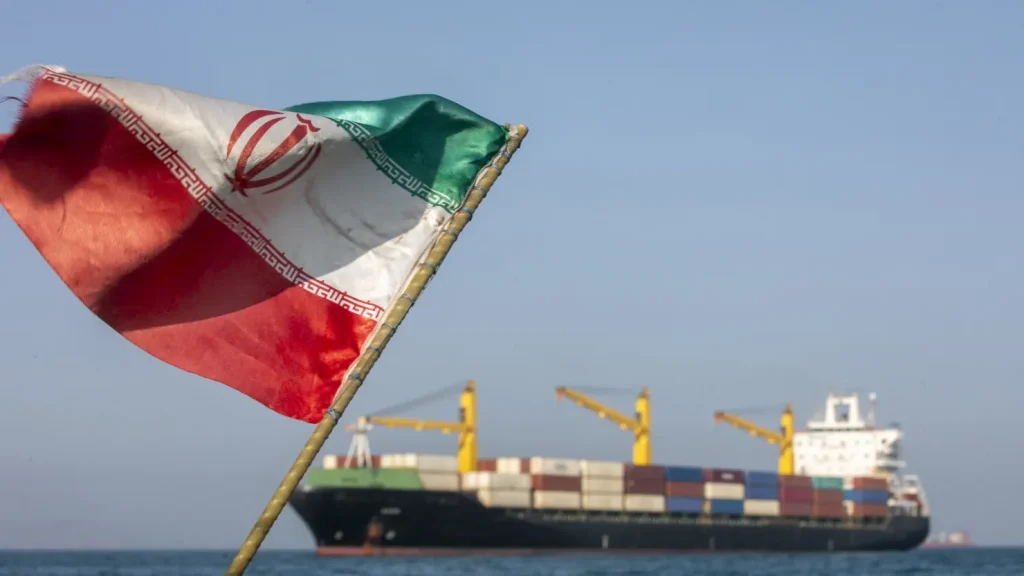
The conflict has already had far-reaching consequences, particularly in global energy markets, where disruptions linked to tensions around the Strait of Hormuz have driven volatility in oil prices and raised fears of a prolonged economic shock.
For now, the ceasefire extension offers a temporary pause in hostilities. But with negotiations yet to produce a breakthrough and positions on both sides still far apart, the path to a lasting peace agreement remains uncertain.