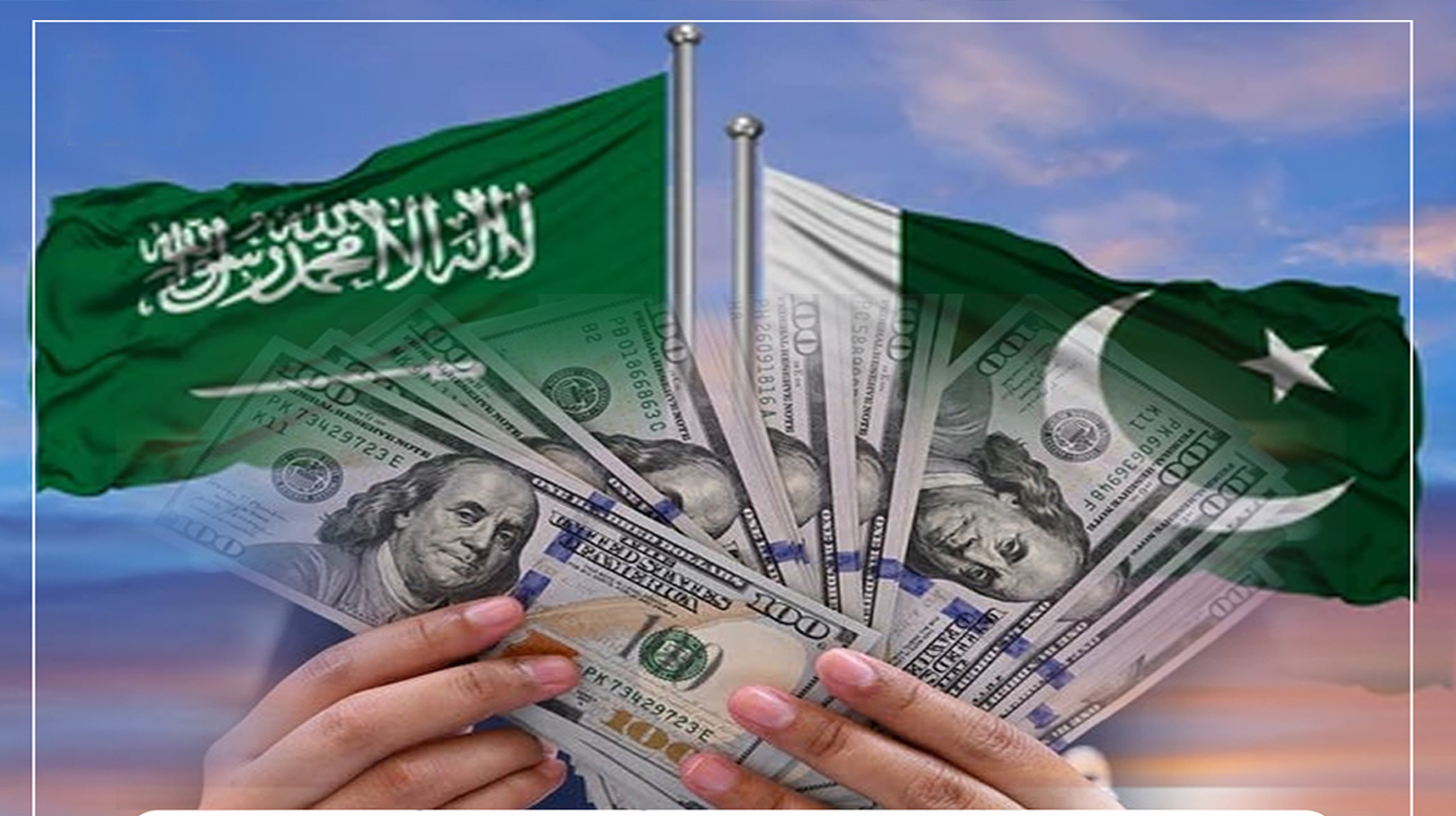

Pakistan has received $1 billion from State Bank of Pakistan (SBP) as part of a $3 billion financial support package from Saudi Arabia, providing temporary relief to the country’s strained foreign exchange reserves.
In an official statement, the central bank confirmed that the funds were transferred by the Saudi Ministry of Finance on April 20, 2026. This marks the second tranche of the agreed deposit facility, following the earlier transfer of $2 billion last week.
The inflow comes shortly after Prime Minister Shehbaz Sharif visited Saudi Arabia as part of broader diplomatic efforts aimed at strengthening bilateral ties and addressing regional stability concerns amid ongoing tensions in the Middle East.
In addition to the fresh $3 billion deposit commitment, Saudi authorities have also extended an existing $5 billion financial facility for Pakistan by another three years, underscoring continued financial backing from one of Islamabad’s key allies.
The timing of the inflow is critical, as Pakistan faces mounting external financing pressures. The country is expected to repay a $3.5 billion loan to the United Arab Emirates later this month, a development that could significantly strain its already tight foreign exchange reserves and risk breaching targets set under its programme with the International Monetary Fund.
As of March 27, Pakistan’s foreign exchange reserves stood at approximately $16.4 billion, covering close to three months of imports — a threshold often seen as the minimum level for external stability. However, analysts warn that upcoming debt repayments, combined with rising global oil prices and economic spillovers from geopolitical tensions, could erode these buffers further.
The situation has been complicated by Islamabad’s recent failure to secure a rollover agreement with the UAE for the $3.5 billion facility — the first such setback in seven years — raising concerns about near-term financing gaps and liquidity pressures.
Despite these challenges, Pakistan remains engaged in a broader economic stabilisation programme supported by the IMF, which includes fiscal reforms and measures to strengthen external accounts. Economists caution, however, that external vulnerabilities persist, particularly in a volatile global environment marked by energy price fluctuations and limited access to international capital markets.
The latest Saudi inflow offers short-term breathing space, but sustained financial stability will depend on continued external support, disciplined economic management, and progress in structural reforms.