

A new investigative report has raised serious allegations about foreign involvement in Sudan’s ongoing civil war, claiming that a network of Colombian mercenaries—allegedly supported by the United Arab Emirates—played a decisive role in aiding the Rapid Support Forces (RSF) in capturing the strategic city of el-Fasher.
The findings, published by the Conflict Insights Group (CIG), rely on advanced mobile phone tracking data, satellite imagery, and flight records to trace the movements and operations of more than 50 Colombian fighters between April 2025 and early 2026.
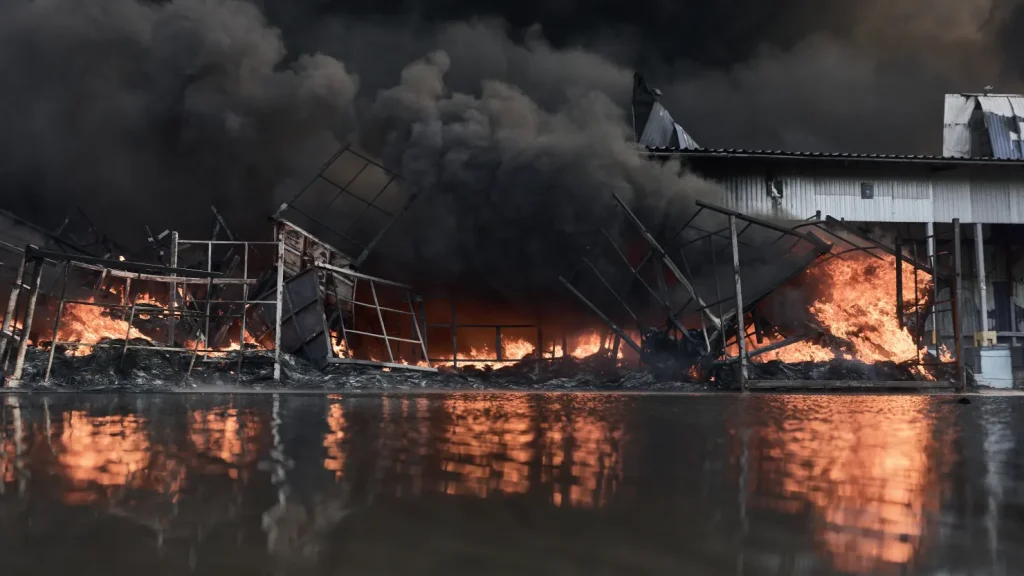
According to the report, these mercenaries were actively involved in drone operations and artillery support, which significantly strengthened the RSF’s battlefield capabilities. Their presence was detected in key RSF-controlled areas, including Nyala—considered a major operational hub—and during the prolonged siege and eventual takeover of el-Fasher in North Darfur.
CIG director Justin Lynch stated that the evidence provides the “first concrete proof” of Emirati involvement in supporting the RSF, a claim the UAE has consistently denied. Previously, Abu Dhabi dismissed similar accusations as “false and unfounded,” while condemning violence in the region.
The report outlines a logistical pipeline that allegedly routed fighters from Colombia to Abu Dhabi, specifically through facilities near Zayed International Airport and a military base in Ghayathi. From there, operatives were deployed into Sudan, where they contributed to coordinated drone strikes and combat missions.
Mobile data revealed that some devices used by these fighters connected to Wi-Fi networks labeled in Spanish, such as “ANTIAEREO” (anti-aircraft) and “ATACADOR” (attacker), further supporting claims of Colombian involvement. The fighters are believed to be part of the “Desert Wolves” brigade, reportedly led by retired Colombian Colonel Álvaro Quijano—who has already been sanctioned by the United States and the United Kingdom for recruiting mercenaries.
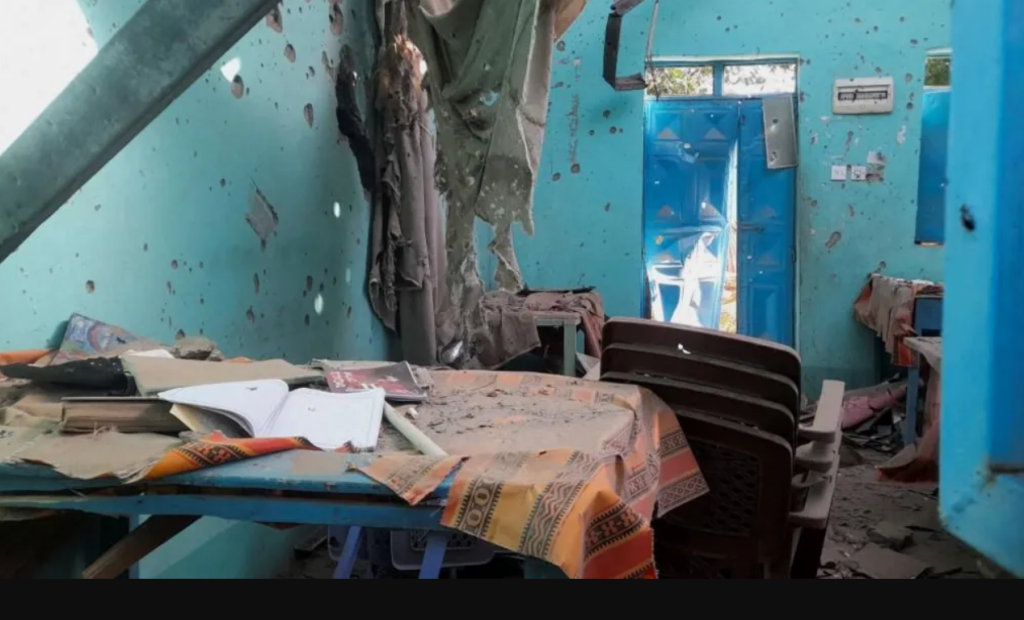
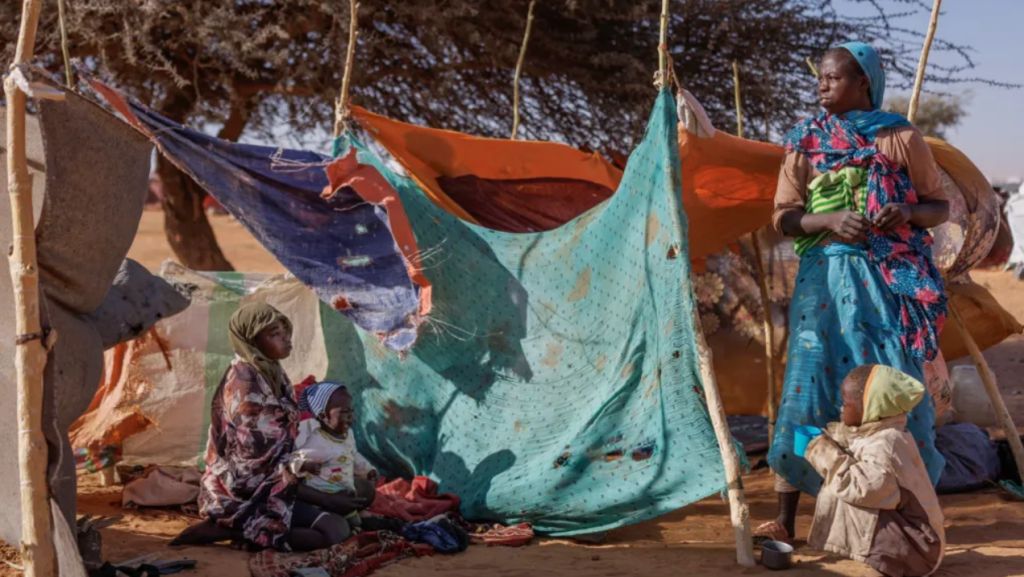
The fall of el-Fasher marked one of the darkest chapters in Sudan’s conflict, which has become one of the world’s worst humanitarian crises. Tens of thousands have been killed, and millions displaced. International bodies, including the International Criminal Court, have described the violence as potentially amounting to war crimes and crimes against humanity, with some investigations suggesting “hallmarks of genocide.”
Colombian President Gustavo Petro previously condemned the recruitment of such fighters, calling them “spectres of death” and likening the practice to human trafficking.
While the UAE continues to reject allegations of backing the RSF, analysts argue that foreign support on both sides has been a major factor in prolonging the war. The report adds to growing international pressure for greater transparency and accountability in the conflict.
As global scrutiny intensifies, the findings could reshape diplomatic dynamics in the region and fuel further investigations into the external forces sustaining Sudan’s devastating war.