
Iranian Parliament Considers Exit from Nuclear Non-Proliferation Treaty Amid Escalating Conflict
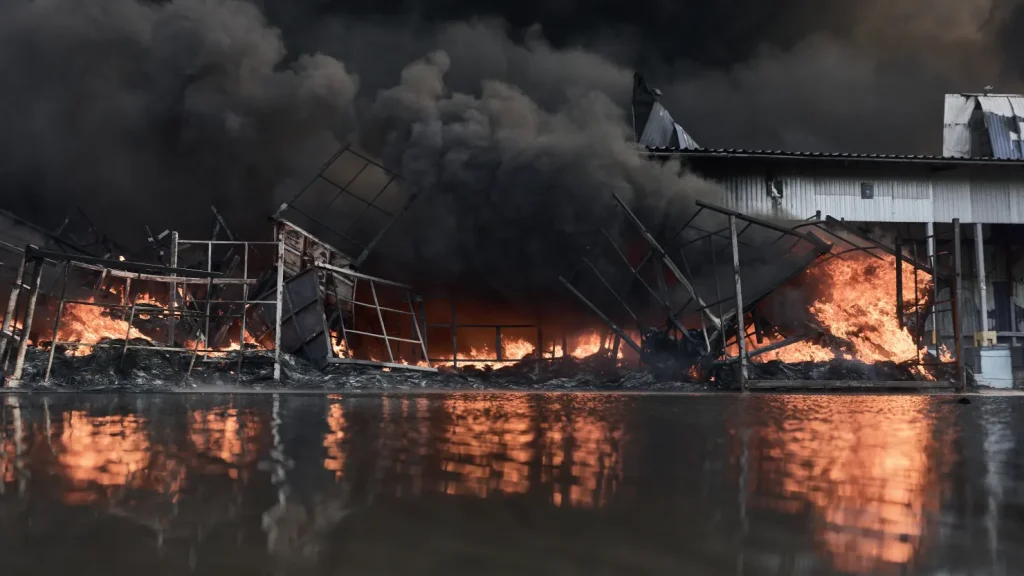
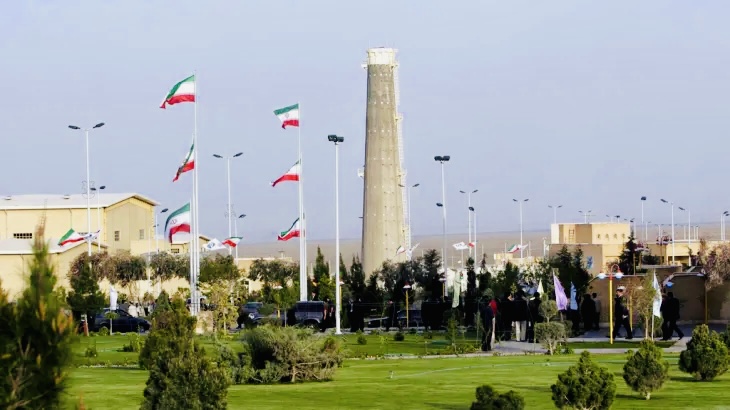
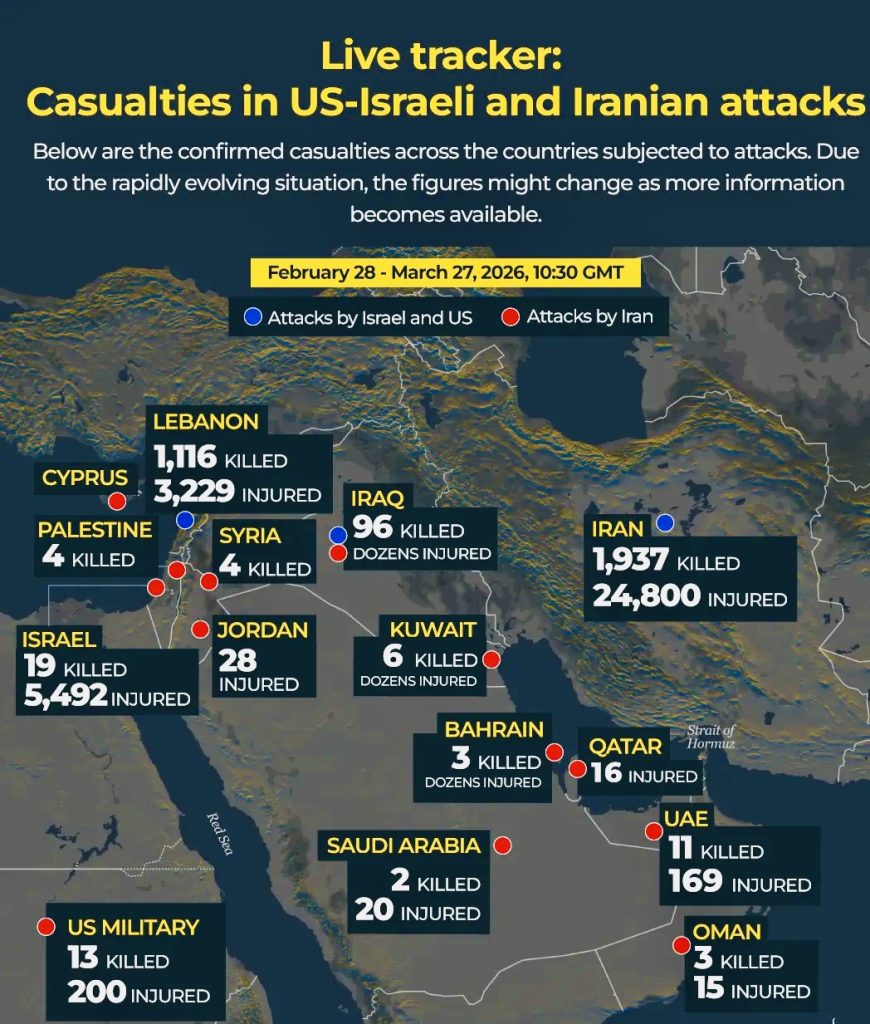
Tehran, Iran – Amid ongoing attacks by United States and Israel targeting nuclear facilities, steel factories, and a university, Iranian lawmakers are reportedly preparing legislation to withdraw the country from the NPT.
Ebrahim Rezaei, spokesman for the national security commission of Iran’s parliament, said the treaty “has had no benefit for us” in a post on X.
Tehran representative Malek Shariati confirmed that a draft law proposing withdrawal from the NPT, revoking previous nuclear restrictions tied to the 2015 nuclear deal, and supporting a new international framework with aligned countries, including BRICS and the Shanghai Cooperation Organization, has been uploaded to the parliamentary portal for review.
Parliamentary Process Ahead
The legislation must first be approved by parliament and then cleared by the Guardian Council, a 12-member constitutional body, before implementation. Lawmakers have not held formal sessions since the war began on February 28, but online processes are underway.
Accusations Against the IAEA
Senior Iranian officials have accused the International Atomic Energy Agency of complicity in attacks on nuclear sites. Mohammad Mohkber, adviser to the late Supreme Leader Ayatollah Ali Khamenei, described IAEA Director Rafael Grossi as a “partner in crime” over reports on Iran’s peaceful nuclear activities and a perceived failure to condemn attacks. The IAEA has rejected these allegations.
Context and Implications
Hardline factions in Iran have long advocated for withdrawal from the NPT and development of nuclear weapons in response to external pressures. Should the legislation pass, it could significantly alter regional security calculations and complicate ongoing diplomatic efforts, while challenging existing international nuclear safeguards.
The situation underscores rising tensions in the region, as military strikes and political posturing continue to drive Iran’s nuclear agenda.