

Shares of AstraZeneca declined on Friday after a panel of advisers to the U.S. Food and Drug Administration voted against approving its experimental cancer drug, camizestrant.
The advisory committee voted 6-3 against the drug’s approval, raising concerns about the design of the clinical trial used to support its application. While the FDA is not required to follow the panel’s recommendation, it typically aligns with such guidance, making the outcome a setback for the company.
Camizestrant is an oral therapy designed to treat a specific type of breast cancer. The decision was based on results from the Phase 3 SERENA-6 trial, which showed that the drug reduced the risk of disease progression or death by 56% compared to standard treatments.
Despite these promising figures, panel members questioned whether the trial demonstrated a meaningful long-term survival benefit. Specifically, they were not convinced that switching patients to camizestrant at an earlier stage — before traditional imaging methods detect disease progression — actually improves outcomes.
Experts noted that the panel’s concerns were focused more on the interpretation of the trial results rather than the drug’s safety or effectiveness. There were no major issues raised regarding toxicity, suggesting that the treatment could still have potential in future applications.
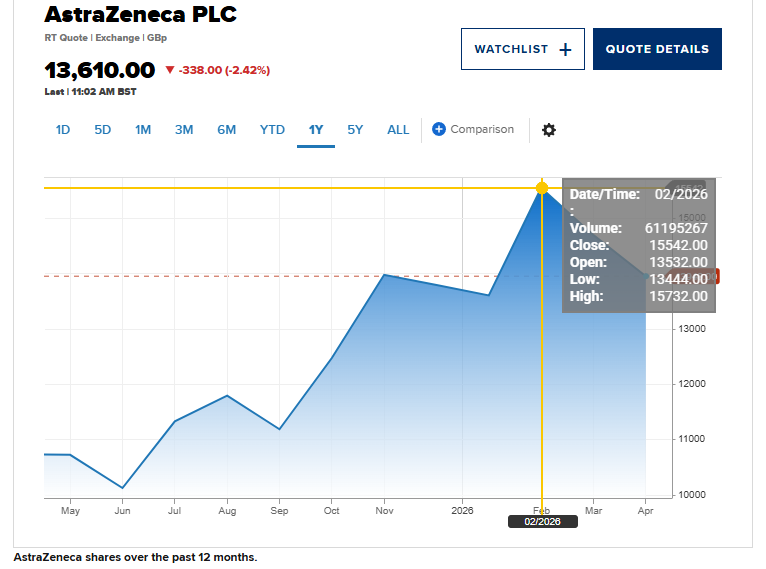
Following the decision, AstraZeneca’s London-listed shares fell by around 2% in early trading. However, analysts say the impact on the company’s broader outlook may be limited. The drug is only a small part of AstraZeneca’s long-term growth strategy, which targets $80 billion in annual sales by 2030.
Company officials have reaffirmed their confidence in camizestrant and said they will continue working with the FDA as the review process continues. The firm also highlighted its strong pipeline of upcoming clinical data, with multiple trial results expected in the coming year.
Market analysts described the situation as a nuanced setback rather than a major blow. While the panel rejected the current evidence, it did not dismiss the drug’s potential entirely. Instead, it signaled that more robust data may be needed to justify a shift in current treatment practices.
The development comes shortly after AstraZeneca reported strong financial results, beating expectations for both sales and profits in the first quarter. The company has also seen its stock rise significantly over the past year, outperforming broader market indices.
For now, investors are likely to remain cautious as they await the FDA’s final decision and further clinical data. The case highlights the challenges pharmaceutical companies face in proving not just effectiveness, but also meaningful long-term benefits in increasingly complex treatment landscapes.