
A major public inquiry into the deadly shooting at Bondi Beach has revealed that a Jewish security agency had warned authorities of a “high” threat level days before the attack, raising serious concerns about preparedness and coordination.
The findings come from an interim report by a royal commission led by former High Court judge Virginia Bell. The inquiry was launched after a gun attack during a Hanukkah event in December last year that left 15 people dead.
According to the report, a Jewish community security group informed New South Wales Police Force on December 8 about upcoming events and stated that the threat level facing the Jewish community was “high,” warning that a terrorist attack was likely amid increasing antisemitic activity. While police acknowledged receiving the communication, they said there was no specific request for dedicated police deployment at the event. The commission noted that differences between the accounts of the police and the security group could not be resolved based on available information.
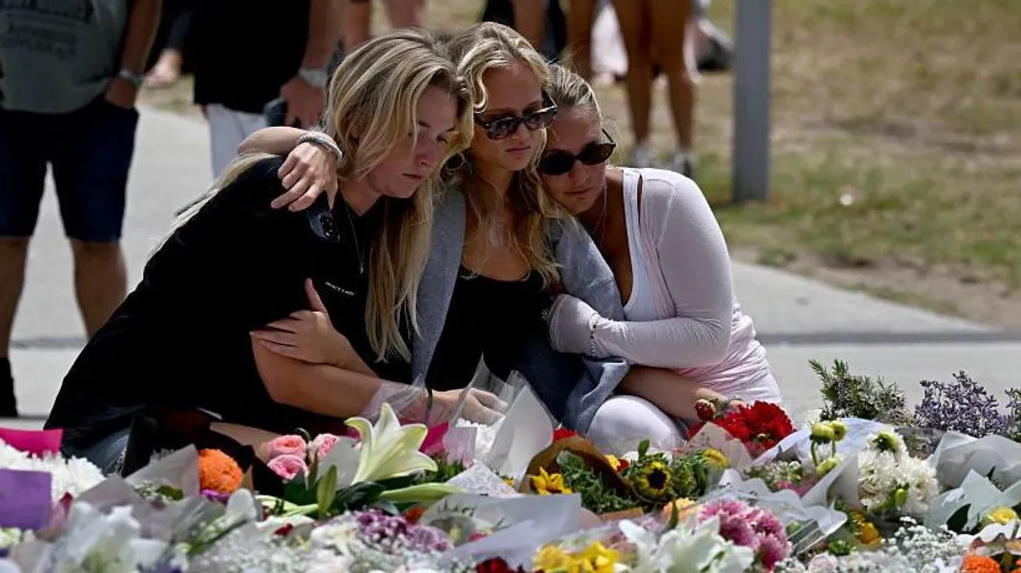
The attack took place on December 14 when a father and son, Sajid Akram and Naveed Akram, opened fire at a public gathering using rifles and shotguns. Sajid Akram was shot dead by police at the scene, while Naveed Akram survived and was later charged with multiple offences, including 15 counts of murder and terrorism-related charges.
The report outlines several recommendations aimed at improving security and preventing similar incidents. These include expanding police protection beyond major religious holidays to cover other high-risk community events, prioritising nationally consistent gun law reforms, and considering a firearm buyback scheme. It also calls for a review of counter-terrorism coordination, including joint operations involving agencies such as the Australian Security Intelligence Organisation, and suggests making the counter-terrorism commissioner role full-time.
Prime Minister Anthony Albanese said the government has agreed to implement all the recommendations, adding that while no urgent gaps were found in existing laws, improvements are necessary to strengthen security responses. He noted that systems were largely in place but could be enhanced to better address emerging threats.
Community leaders have stressed that the issue extends beyond policing. David Ossip said antisemitism had been rising well before the Bondi attack and described it as a broader societal problem. Alex Ryvchin also raised concerns about how the attackers obtained firearms and why security measures were not increased despite prior warnings.
The report states that no immediate legal changes were required to prevent such an attack, but further investigation is needed into intelligence handling and police resource allocation. Some aspects of the inquiry may be conducted privately due to ongoing legal proceedings.
Public hearings are set to begin soon, with a final report expected on the anniversary of the attack, as authorities continue to examine the circumstances leading up to one of Australia’s deadliest recent acts of violence.