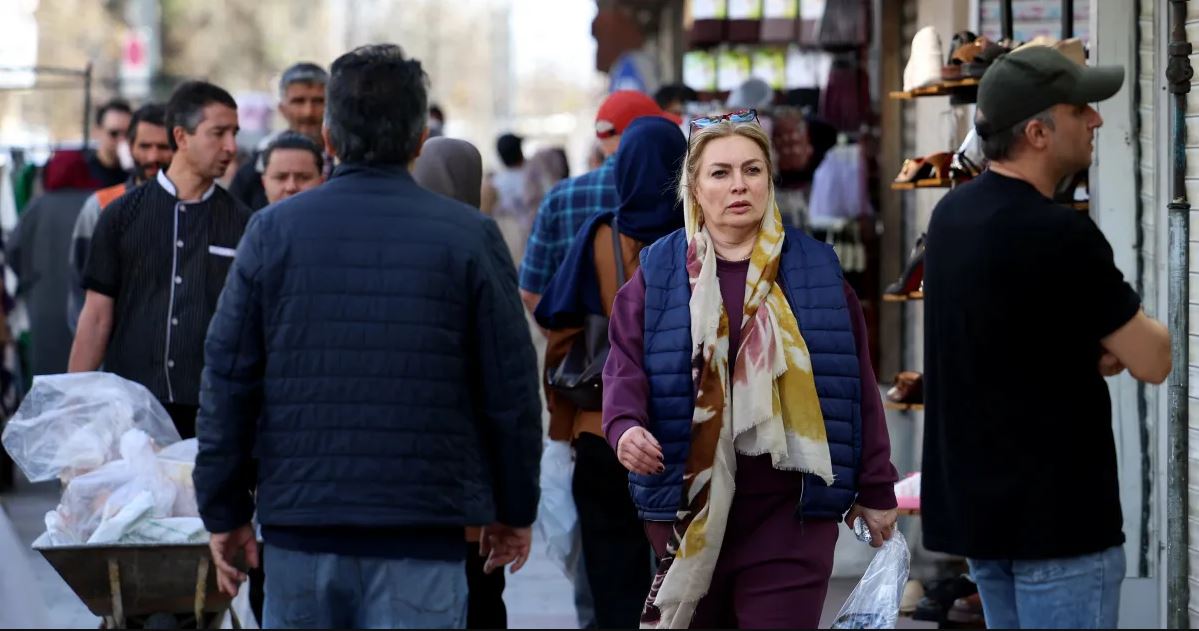

A temporary ceasefire has brought limited relief to parts of Iran, with more businesses reopening and some workers returning to their jobs. However, the country’s broader economic outlook remains deeply uncertain amid rising prices, disrupted industries, and ongoing instability.
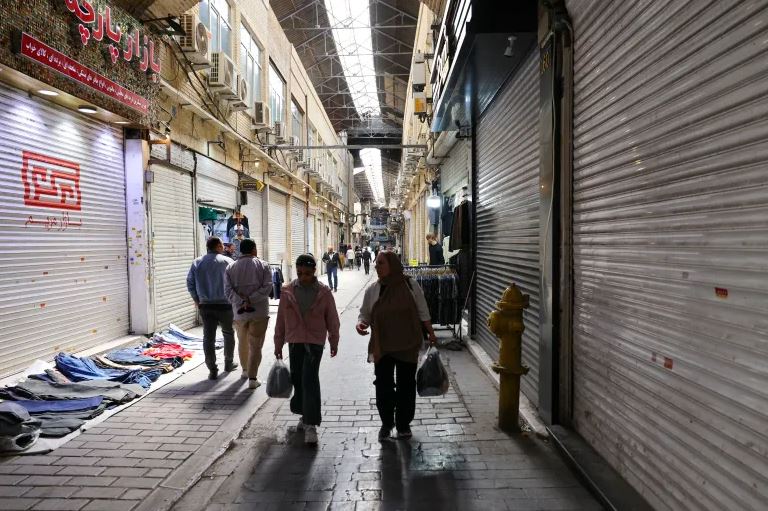
In Tehran’s Grand Bazaar, one of the country’s largest commercial hubs, shop activity has increased slightly since the ceasefire announcement. However, merchants say sales remain significantly weaker compared with pre-war levels.
“It’s almost complete stagnation,” said one vendor, noting that wholesale prices for some goods have risen by 20–30 percent in recent weeks. Traders say supply chains remain unstable, and future import conditions are unclear due to continuing regional tensions.
Economic pressure has been compounded by persistent inflation, which has worsened over the past months due to conflict-related disruptions and earlier nationwide protests. Businesses report shrinking margins and declining customer demand across multiple sectors.
At the same time, widespread internet restrictions continue to heavily impact daily economic activity. Since the outbreak of conflict, Iran has faced repeated internet shutdowns, limiting access to global platforms and disrupting online businesses, remote work, and digital services.
Many small businesses report that online sales have dropped sharply or stopped entirely, as customers struggle to access websites or connect through restricted networks. Digital workers, including teachers and freelancers, say they have been forced to rely on limited local platforms that restrict international communication.
Government officials have acknowledged ongoing connectivity restrictions, citing security concerns, while also proposing limited support for select digital businesses. However, many entrepreneurs say such measures do little to offset widespread losses across the broader economy.
Meanwhile, job losses are rising across multiple industries, including manufacturing, media, and automotive sectors. Companies are increasingly relying on short-term contracts or reducing staff as financial pressure builds.
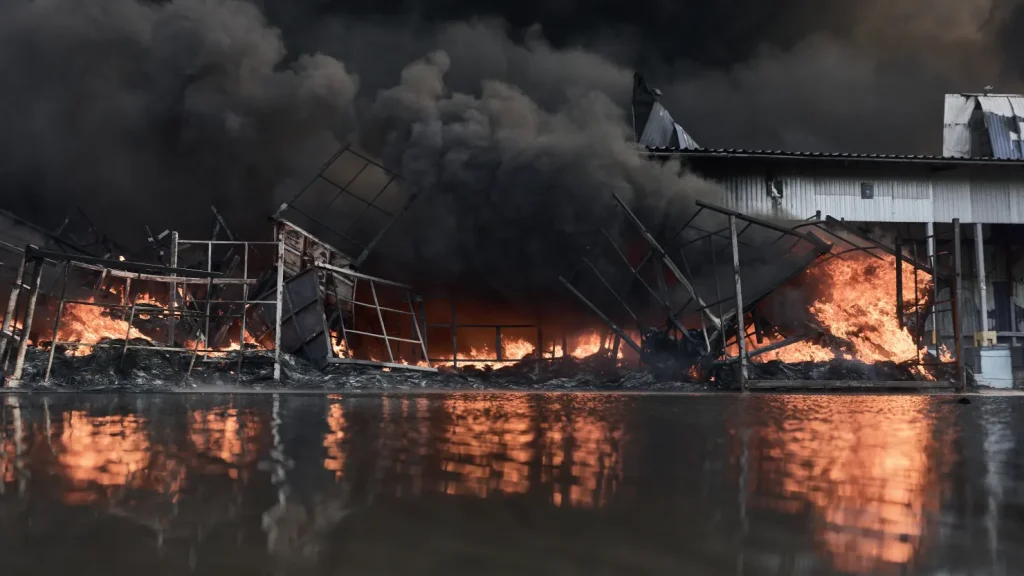
Economic challenges have also been intensified by damaged infrastructure, sanctions, and the broader impact of regional conflict. Key industrial sectors, including steel, petrochemicals, transport, and energy, have reportedly suffered major disruptions, raising concerns about long-term recovery.
Analysts warn that even if the ceasefire holds, rebuilding Iran’s economy could take years due to existing structural weaknesses, limited foreign investment, and continued geopolitical pressure.
For many citizens, the combination of inflation, job insecurity, and restricted digital access has created a difficult environment with few immediate signs of improvement.