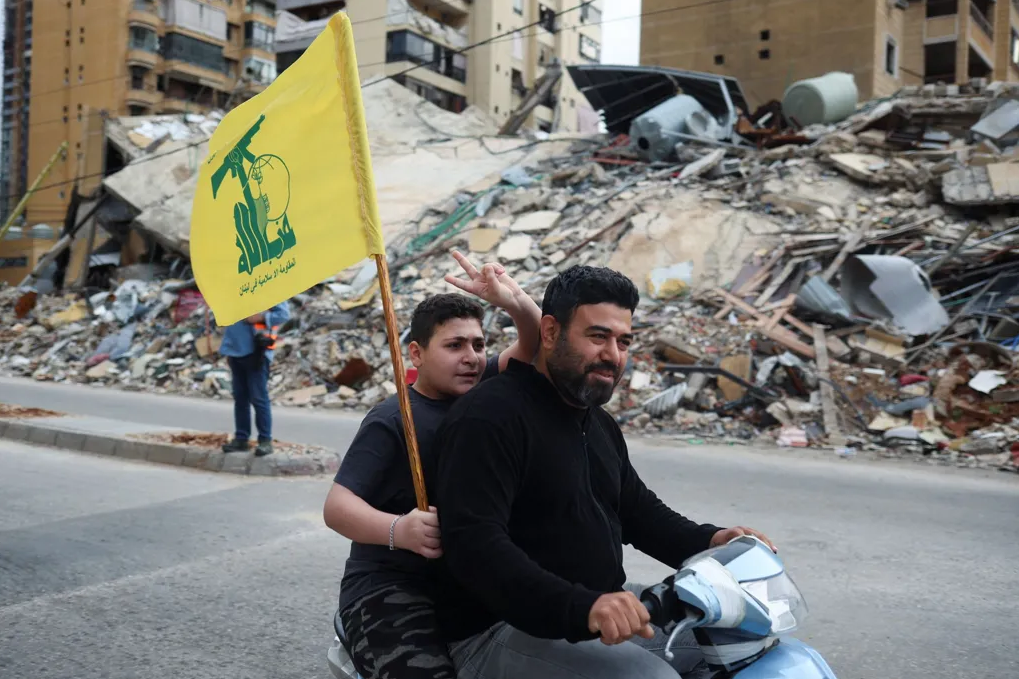

A fragile ceasefire between Israel and Lebanon has officially come into force, marking a critical pause in weeks of escalating violence that has displaced over a million people and devastated large parts of southern Lebanon.
The 10-day truce, announced by Donald Trump, began on April 16 and is intended to create space for further diplomatic negotiations. The agreement may be extended if both sides show progress toward a longer-term resolution.
📜 Terms of the Ceasefire
According to details shared by the US State Department, the agreement allows Israel to retain the right to self-defense against imminent threats, while Lebanon is expected to take concrete steps to prevent attacks by armed groups, including Hezbollah.
The deal also reinforces that Lebanon’s national security should remain under the control of its official forces and calls for continued US-facilitated dialogue to resolve outstanding issues.
🗣️ Reactions from Key Players
Israeli Prime Minister Benjamin Netanyahu described the ceasefire as an opportunity for a “historic peace agreement,” while Lebanese Prime Minister Nawaf Salam expressed hope that displaced civilians would soon return home.
Hezbollah has cautiously signaled acceptance but insisted on a full halt to Israeli attacks and restrictions on Israeli troop movements. Meanwhile, Iran voiced support for the ceasefire, emphasizing solidarity with Lebanon.
International leaders, including UN Secretary-General António Guterres and European Commission President Ursula von der Leyen, welcomed the truce and urged all parties to adhere to international law.
⚠️ Troops Remain, Tensions Persist
Despite the ceasefire, Israel has confirmed it will maintain a military presence up to 10km داخل southern Lebanon, calling it a “security zone.” Defense Minister Israel Katz has even suggested expanding control up to the Litani River.
Lebanese officials have condemned the move as a potential occupation, raising concerns that the ceasefire may not lead to a lasting peace.
🌍 Link to the Wider Iran Conflict
The conflict is closely tied to the broader regional war involving Iran. Fighting escalated after Hezbollah launched attacks in response to Israeli strikes linked to the US-Iran conflict.
Although the Lebanon front was not formally included in the earlier US-Iran ceasefire, regional actors — including Pakistan — have argued that stability in Lebanon is crucial for broader de-escalation.
📊 Human Cost of the Conflict
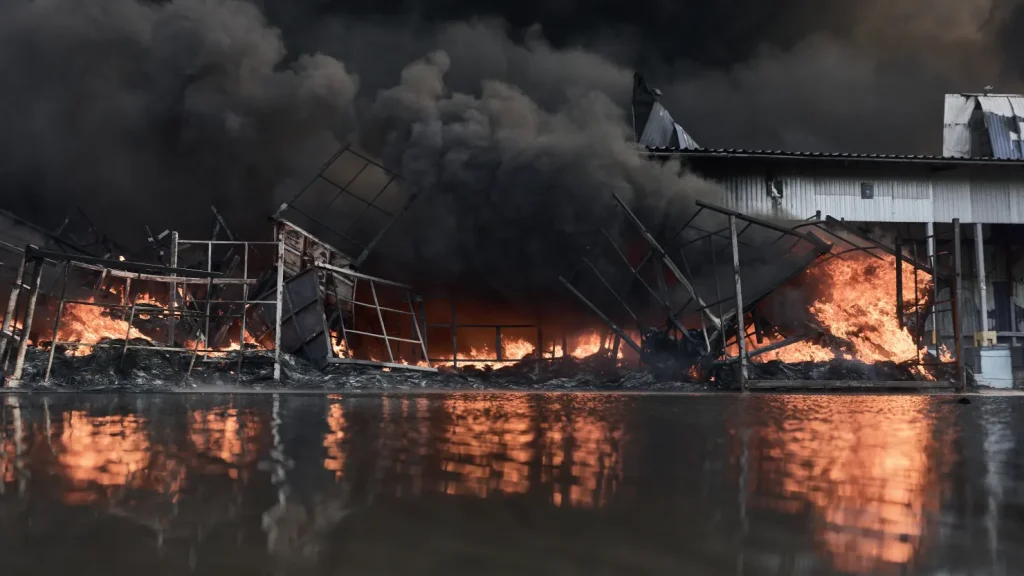
Since early March, Israeli strikes have killed more than 2,100 people in Lebanon and displaced around 1.2 million, according to Lebanese authorities. Infrastructure damage has been extensive, with over 1,400 buildings destroyed.
On the Israeli side, Hezbollah attacks have resulted in civilian and military casualties, highlighting the ongoing risks despite the truce.
🔍 What Comes Next?
While the ceasefire offers a temporary pause, major questions remain unanswered — including the future of Israeli troops in Lebanon, Hezbollah’s role, and whether meaningful negotiations can prevent a return to conflict.
With global powers watching closely, the coming days will determine whether this ceasefire becomes a stepping stone toward peace — or just another brief pause in a prolonged crisis.