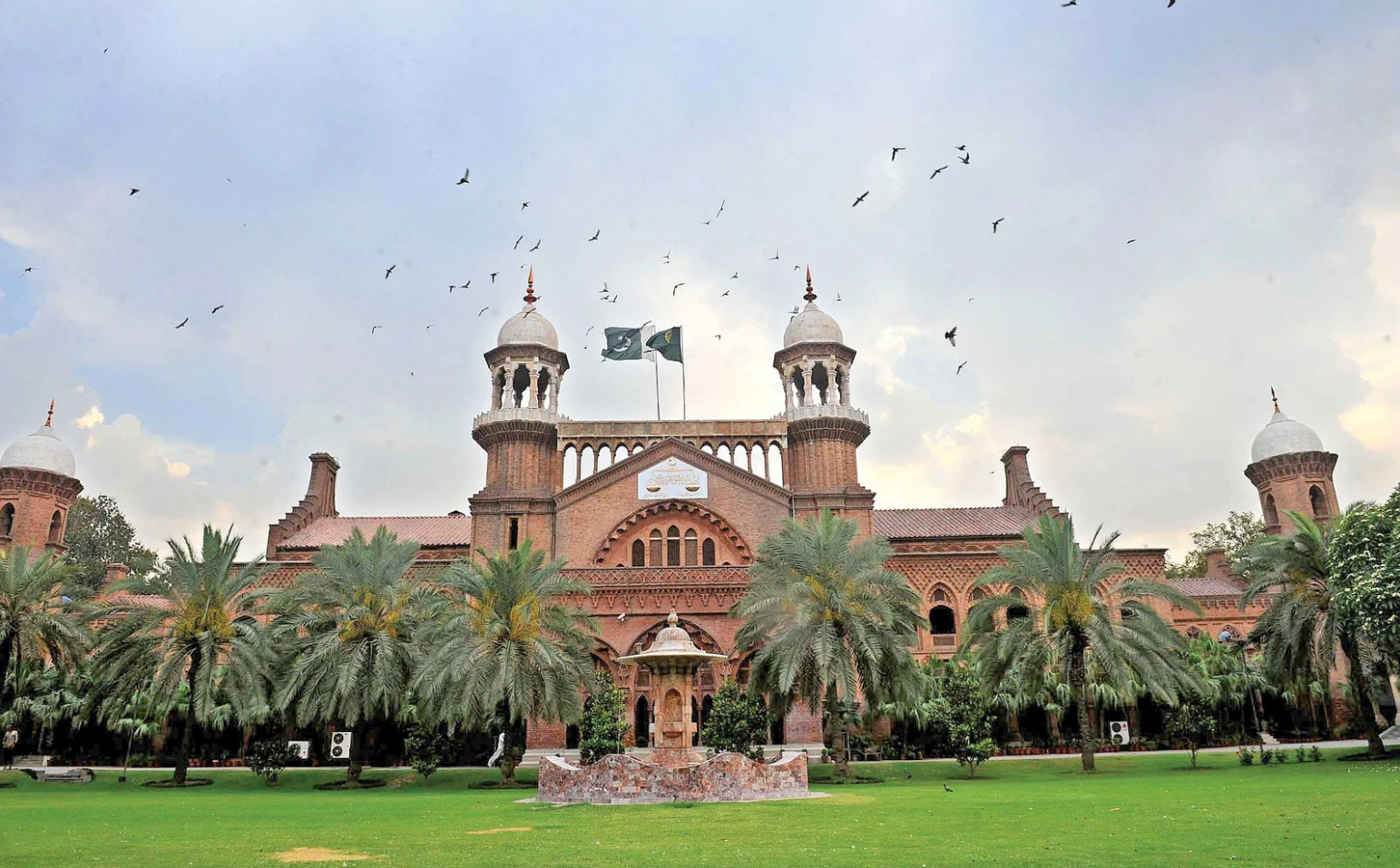

The Lahore High Court (LHC) has upheld the federal government’s policy to abolish free electricity units for officers of the Water and Power Development Authority (Wapda) and affiliated power companies, marking a significant step in ongoing power sector reforms.
Justice Malik Javid Iqbal Wains announced the verdict while dismissing a constitutional petition filed against a December 5, 2023 notification issued by the Ministry of Energy (Power Division).
The policy replaces the long-standing facility of free electricity units with a monetised system, under which officers in BPS-17 and above are now required to pay their electricity bills. In return, a fixed monetary allowance—equivalent to previously allocated units—has been added to their salaries.
Previously, officers from BPS-18 to 22 collectively consumed around 75 million units annually, costing the national exchequer approximately Rs4 to 4.5 billion.
The petition, filed by the Gujranwala Electric Power Company Engineers & Officers Association, argued that free electricity was part of employees’ service conditions and its withdrawal was unconstitutional and discriminatory—especially as lower-grade employees (BPS-1 to 16) continue to receive the benefit.
However, the federal government, represented by Assistant Attorney General Malik Tanvir Awan, defended the move as part of broader financial restructuring efforts. He stated that the policy aims to address circular debt, inefficiencies, and operational losses in the power sector.
In his ruling, Justice Wains clarified that free electricity units were a service privilege, not a statutory or vested right, and therefore could be lawfully modified under administrative reforms.
The court also rejected claims of discrimination, noting that officers constitute a separate category and differential treatment based on reasonable classification does not violate constitutional principles.
Emphasizing judicial restraint, the court observed that economic and fiscal policy decisions fall within the executive domain, and courts should not intervene unless there is a clear constitutional violation.
The judgment concluded that the government’s policy was neither arbitrary nor illegal and did not infringe upon fundamental rights.
Following the verdict, Power Minister Awais Leghari welcomed the decision, calling it a long-standing public demand. He stated that the move reflects the government’s commitment to reforming the power sector under the leadership of Prime Minister Shehbaz Sharif.
The ruling is being seen as a major boost to the government’s efforts to improve financial discipline and sustainability in Pakistan’s energy sector.