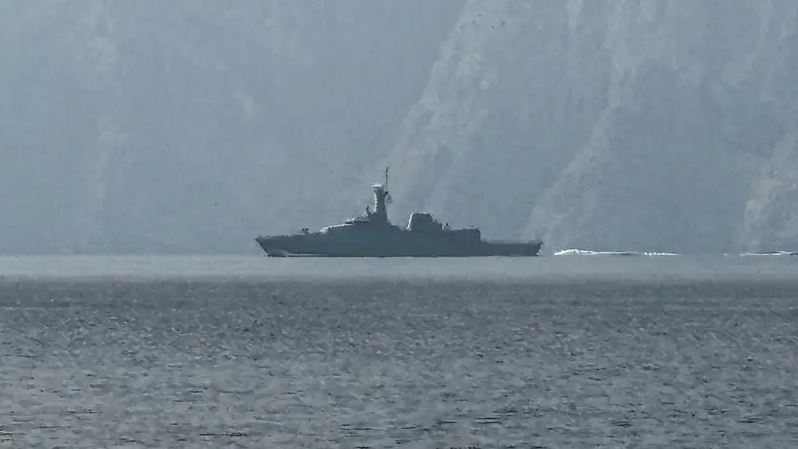

New York / Washington: China and Russia vetoed a UN Security Council resolution on Tuesday that sought to encourage states to coordinate the protection of commercial shipping in the Strait of Hormuz, a critical chokepoint for global oil and LNG transport.
The 15-member Council voted 11 in favor, 2 against (China and Russia), and 2 abstentions. The resolution, presented by Bahrain, emphasized defensive measures to secure navigation and deter interference with commercial vessels, while explicitly avoiding authorization of force.
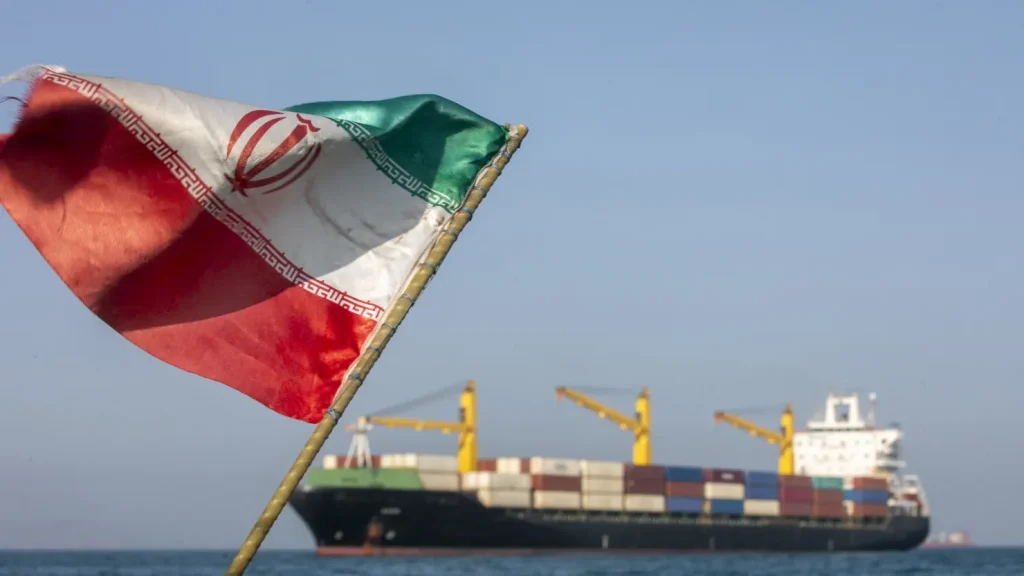
The veto came amid heightened tensions in the region. US President Donald Trump threatened that “a whole civilization will die tonight” if Iran did not comply with his ultimatum to reopen the Strait by Tuesday evening, Washington time. Iran has largely closed the waterway, which normally handles about 20% of global oil exports and liquefied natural gas.
US Response
US Ambassador to the UN Mike Waltz condemned the vetoes as “a new low,” highlighting the humanitarian impact of the Strait’s closure, which blocks aid to crises in Congo, Sudan, and Gaza. Waltz urged “responsible nations” to help secure the Strait and ensure free movement of commerce and humanitarian goods.
International Reactions
France’s UN Ambassador Jerome Bonnafont deplored the vetoes, stressing that the draft resolution promoted strictly defensive measures without escalating the conflict. Bahrain’s Foreign Minister Abdullatif bin Rashid Al Zayani noted that the draft had already been significantly weakened at China’s request, removing any authorization for use of force.
The resolution encouraged countries to coordinate defensive actions, including escort of merchant vessels, and to deter attempts to obstruct international navigation in the Strait of Hormuz. Despite these adjustments, China and Russia opposed the resolution, highlighting divisions among permanent UN Security Council members over the crisis.
Global Context
The vetoes come after more than five weeks of conflict following US and Israeli strikes on Iran. Oil prices have surged, reflecting fears of prolonged disruption to the world’s energy supply. With the Strait effectively blocked, maritime trade and energy markets remain on high alert, raising the stakes for international diplomatic efforts.