
China’s factory-gate prices have returned to growth for the first time in more than three years, signaling a shift in the country’s inflation dynamics as global energy markets remain volatile due to the conflict involving Iran.
According to data released by the National Bureau of Statistics of China, the Producer Price Index (PPI) rose 0.5% in March compared to a year earlier, ending a prolonged deflationary streak that began in 2022.
Oil Prices Drive Inflation Pressures
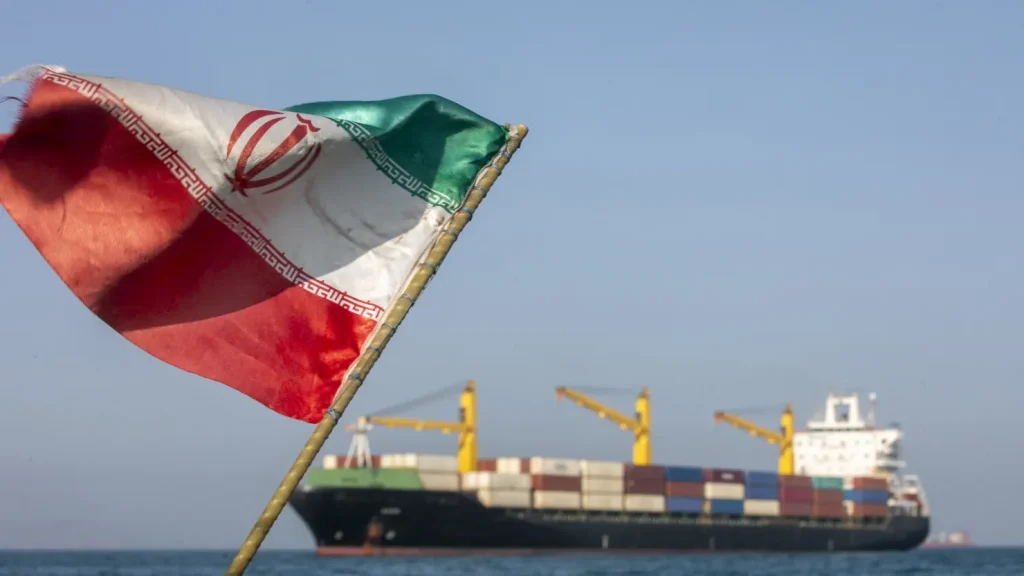
The rebound comes as oil prices surged sharply following disruptions in the Strait of Hormuz, a critical global energy corridor affected by the ongoing conflict.
Brent crude prices climbed above $96 per barrel, marking a significant increase since the war began, while U.S. crude prices also saw steep gains. As the world’s largest oil importer, China faces rising input costs that could impact industrial production and economic growth.
Mixed Inflation Signals
While factory prices rose, consumer inflation showed signs of moderation. The Consumer Price Index (CPI) increased by 1% year-on-year in March, slightly below expectations, while core inflation remained relatively stable.
Economists warn that rising production costs may lead to “cost-push inflation,” where manufacturers absorb higher raw material expenses, potentially squeezing profit margins.
Economic Outlook and Risks
Analysts at Morgan Stanley suggest China remains relatively resilient due to diversified energy sources and policy flexibility. However, sustained high oil prices could slow economic growth, with GDP forecasts already revised downward.
If oil prices continue to climb, policymakers may face increased pressure to balance inflation control with economic support measures, including potential monetary easing by the central bank.
Policy Response Under Watch
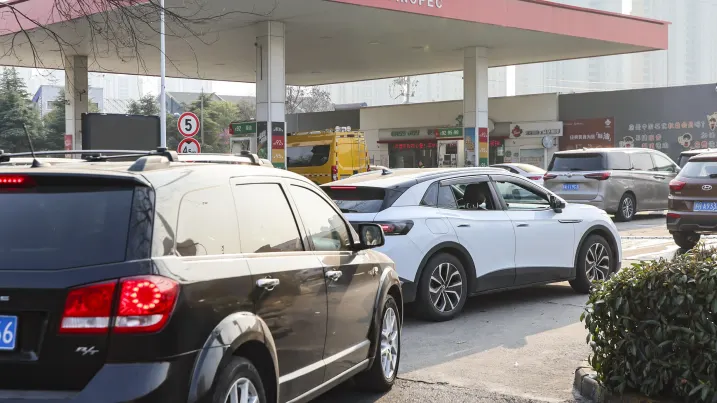
China has already raised retail fuel prices to reflect global trends, although authorities are attempting to limit the impact on consumers. Meanwhile, the People’s Bank of China is maintaining a cautious approach to monetary policy amid ongoing uncertainties.
The developments highlight how geopolitical tensions are reshaping global economic conditions, with energy markets playing a critical role in influencing inflation and growth trajectories worldwide.