
DUBAI: Civilian infrastructure across Iran and the wider Middle East has come under increasing attack as the conflict involving the United States, Israel, and Iran continues to escalate, raising serious concerns about humanitarian consequences and violations of international norms.
Since the war began on February 28, U.S. and Israeli forces have conducted extensive strikes across Iran, targeting both military installations and civilian facilities, including schools, universities, and energy infrastructure. Iranian authorities say thousands of civilian sites have been hit, with more than 2,000 people killed.
Schools and Civilian Casualties
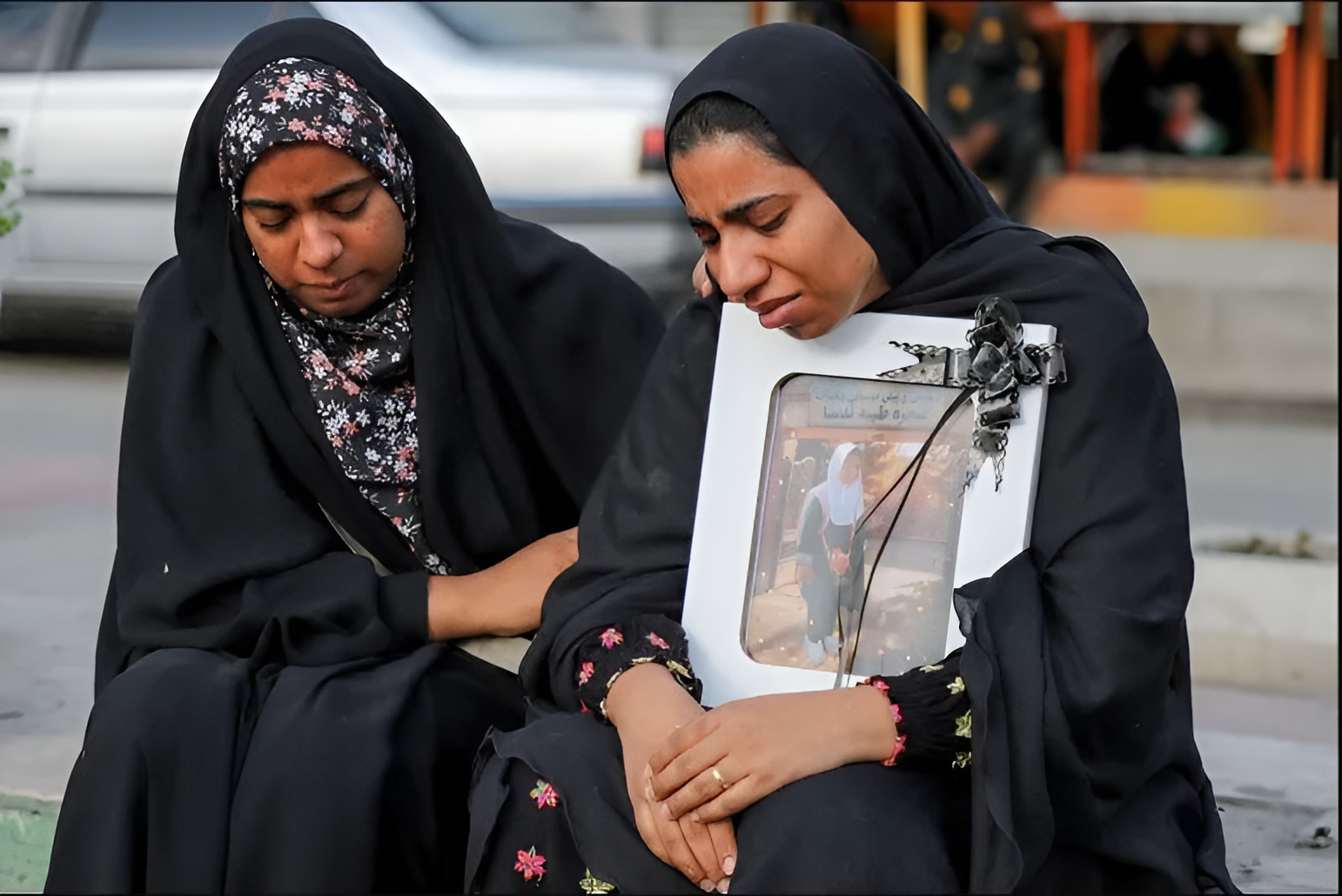
One of the earliest and most controversial incidents occurred on the first day of the conflict, when a strike hit an elementary school in the southern Iranian city of Minab.
According to Iranian officials, at least 170 people—mostly young girls—were killed in the attack. While U.S. President Donald Trump denied responsibility, independent investigations by international media and rights organizations suggested the strike may have been deliberate and involved a U.S.-manufactured missile.
The incident marked a grim turning point, drawing global attention to the risks faced by civilians in the widening conflict.
Universities and Expanding Targets
Educational institutions have also come under fire. Iranian media reported that the Iran University of Science and Technology was struck in late March, with additional attacks reported in the central city of Isfahan, where several staff members were injured.
In response, Iran’s Islamic Revolutionary Guard Corps warned it could target universities linked to U.S. and Israeli interests across the region, raising fears of further escalation beyond traditional military targets.
The U.S. Embassy in Baghdad has since issued warnings that American-linked educational institutions in Iraq could face potential threats, urging citizens to leave the country.
Energy and Strategic Infrastructure
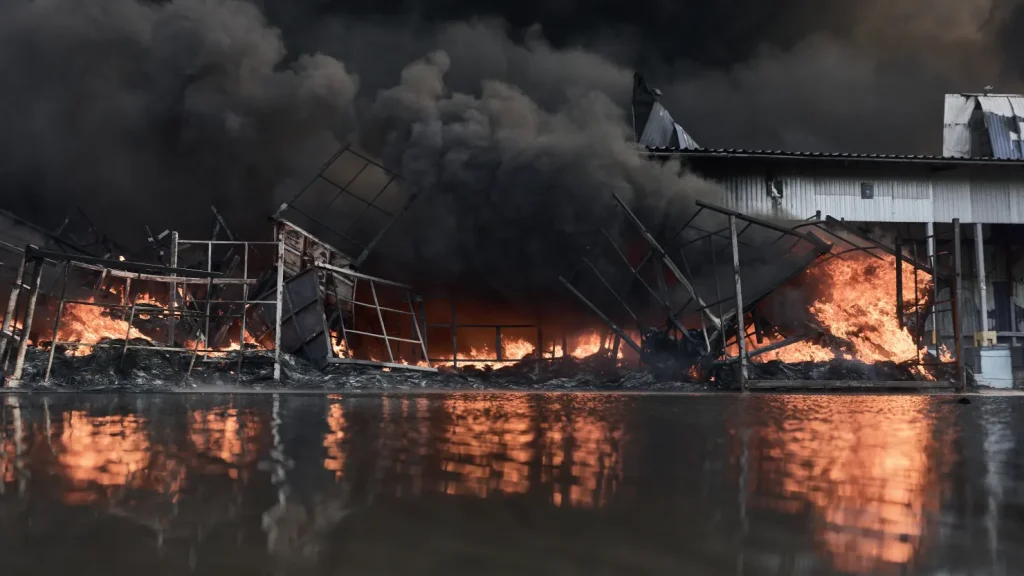
Energy infrastructure has emerged as a central battleground in the conflict. Israeli strikes on Iranian oil facilities in Tehran and surrounding areas marked a significant escalation, disrupting production and raising environmental concerns.
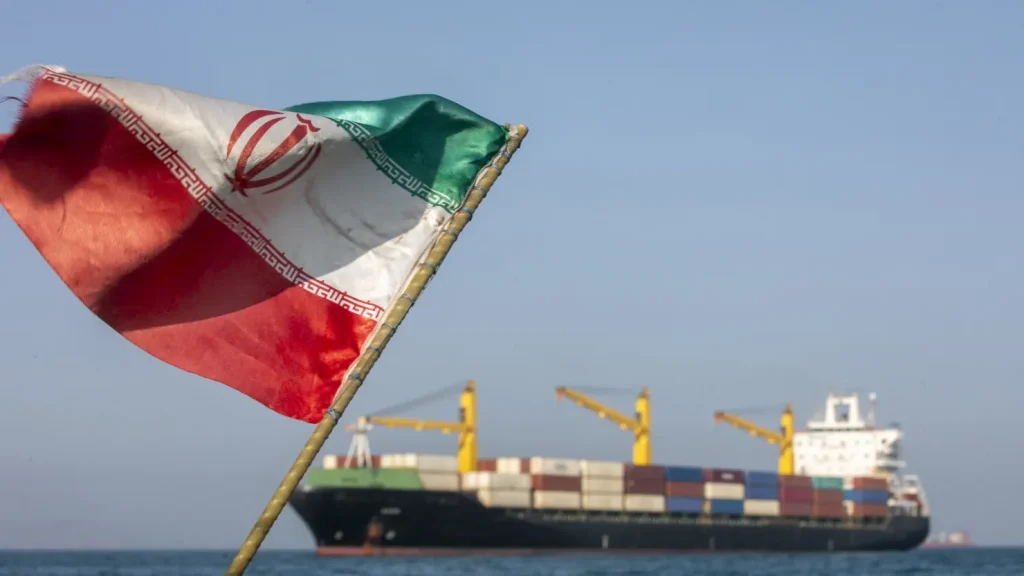
Iran, in turn, has taken measures that have reverberated globally, including disrupting traffic through the Strait of Hormuz—one of the world’s most critical oil transit routes.
The situation intensified further when Iran reportedly targeted a desalination plant in Kuwait, highlighting the vulnerability of water infrastructure in Gulf nations that rely heavily on desalinated supplies.
Regional Spillover and Retaliation
The conflict has expanded beyond Iran’s borders, with retaliatory strikes affecting Israel and Gulf countries hosting U.S. military bases. Iranian attacks have hit civilian and industrial sites, while also targeting strategic energy assets.
Casualties have been reported across multiple countries, including civilian deaths in Israel and Gulf states, as well as U.S. military personnel.
Meanwhile, Israel continues operations in Gaza and southern Lebanon, raising concerns that the broader regional conflict is becoming increasingly interconnected.
Humanitarian and Global Implications
The growing number of strikes on civilian infrastructure has intensified international concern over the humanitarian impact of the conflict.
Experts warn that attacks on schools, hospitals, water systems, and energy facilities not only increase civilian casualties but also risk long-term damage to essential services, potentially triggering wider regional instability.
Outlook
As diplomatic efforts continue to seek a resolution, the targeting of civilian infrastructure underscores the urgency of de-escalation.
With both sides expanding the scope of their operations, the conflict risks further escalation, deepening its humanitarian toll and threatening global economic stability, particularly through disruptions to energy supplies.