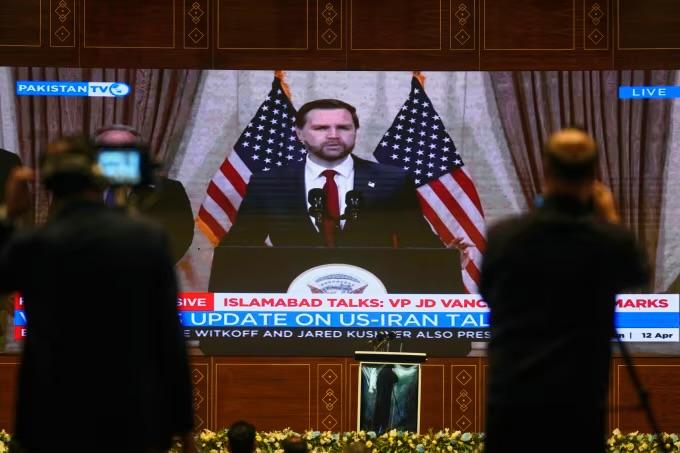

The failure of high-stakes negotiations between the United States and Iran in Islamabad has dealt a significant blow to hopes of finding a diplomatic resolution to the ongoing crisis.
After marathon discussions that stretched from day into night, the talks concluded without an agreement, despite being described as some of the most consequential engagements between the two nations since the Iranian Revolution.
The negotiations, mediated by Pakistan, involved intensive exchanges of technical documents and multiple rounds of discussions. However, both sides remained far apart—not only on key issues but also in their negotiating styles and expectations.
The US delegation, led by JD Vance, pushed for a swift resolution following the implementation of a fragile two-week ceasefire. In contrast, Iranian negotiators adopted a slower, long-term approach, reflecting Tehran’s traditional diplomatic strategy.
Washington indicated it had presented its “best and final” offer, placing pressure on Tehran to respond. However, Iranian officials argued that the talks failed due to what they described as “excessive” US demands.
One of the central sticking points remains Iran’s nuclear programme. While Tehran insists its nuclear ambitions are purely for civilian energy purposes, Western powers continue to demand firm guarantees that Iran will not develop nuclear weapons.
The breakdown in talks has raised fresh concerns about the future of the ceasefire, which was initially agreed upon under strong warnings from Donald Trump, who had threatened severe military action if no progress was made.
The failure to reach a deal leaves several critical questions unanswered, including how Iran will respond to the stalled negotiations and whether further diplomatic efforts can prevent renewed escalation.
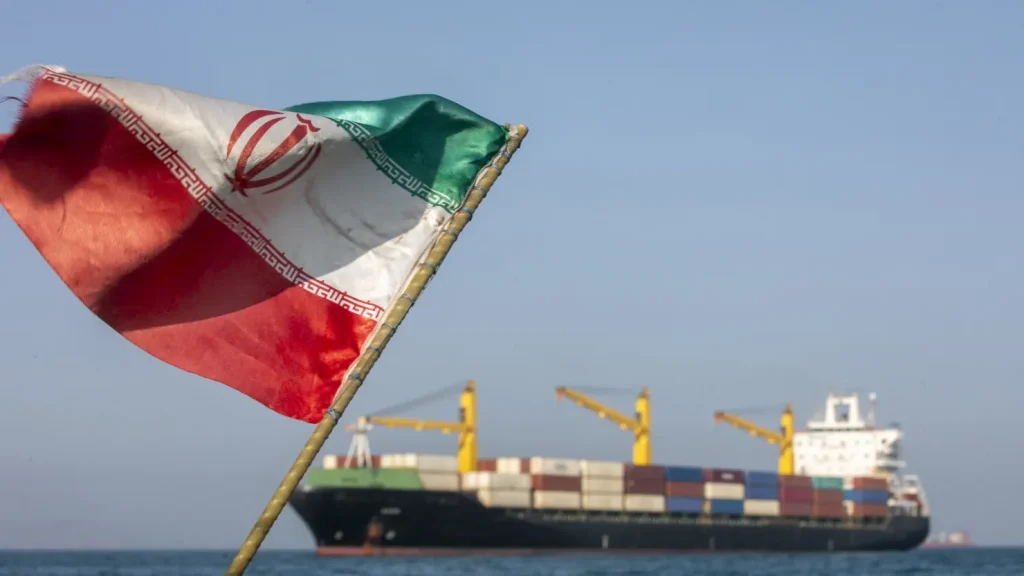
It also prolongs uncertainty in global markets, particularly in energy sectors already impacted by disruptions in the Strait of Hormuz, a key route for global oil supplies.
With tensions still high and trust between the two sides at a minimum, the path to peace remains uncertain, and the risk of further instability continues to loom over the region.