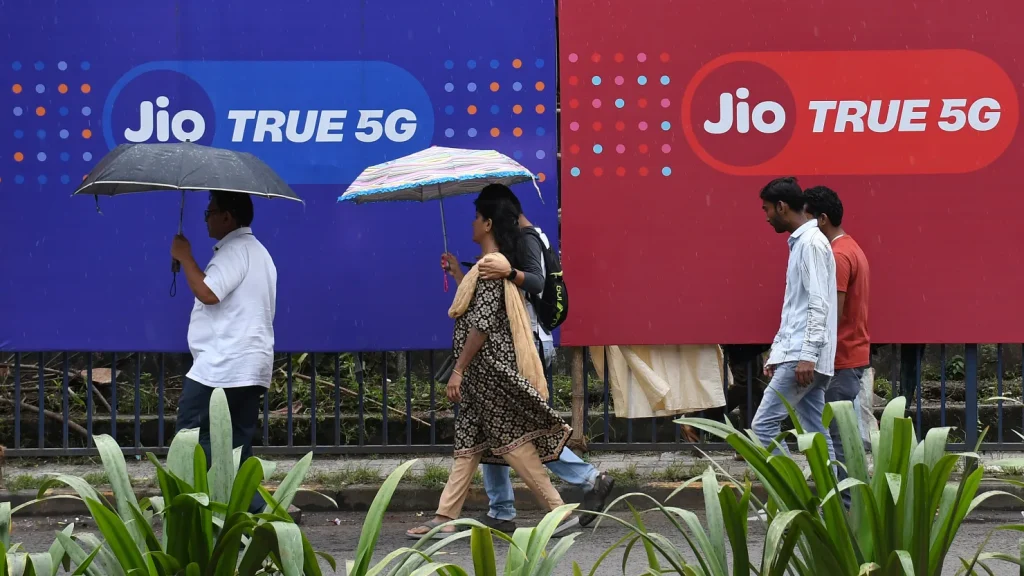
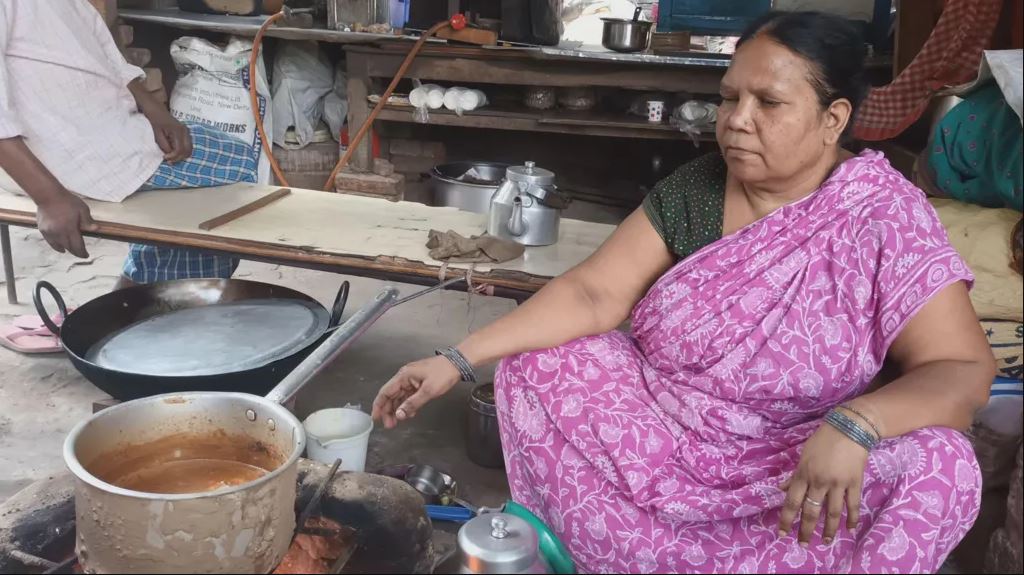

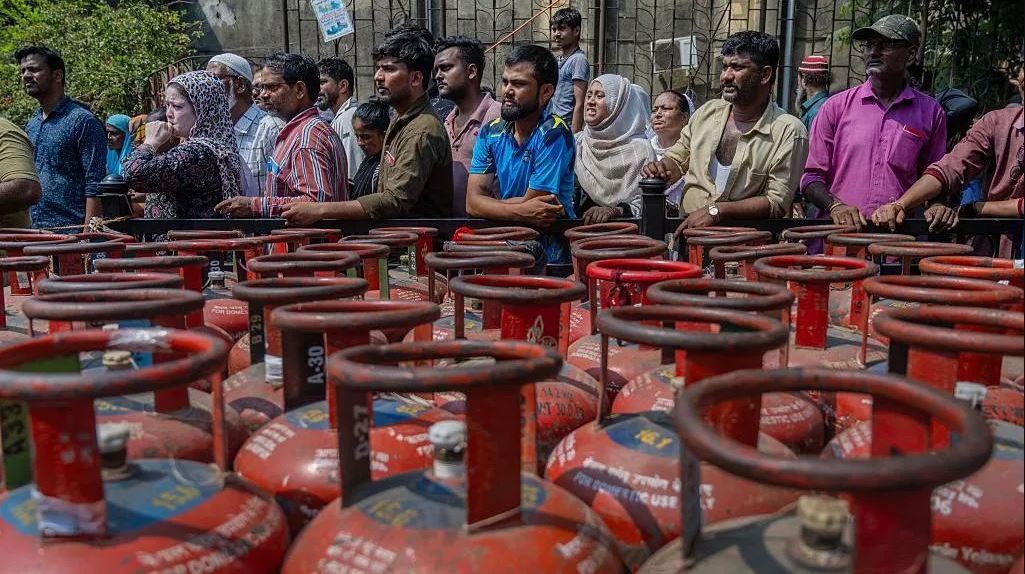
In Delhi and other major Indian cities, migrant workers are struggling to access cooking gas, forcing many to return to their villages. Residents of urban slums, like Shakuntala Devi and Shakiba Bibi, have spent weeks searching for Liquefied Petroleum Gas (LPG) cylinders, often coming home empty-handed.
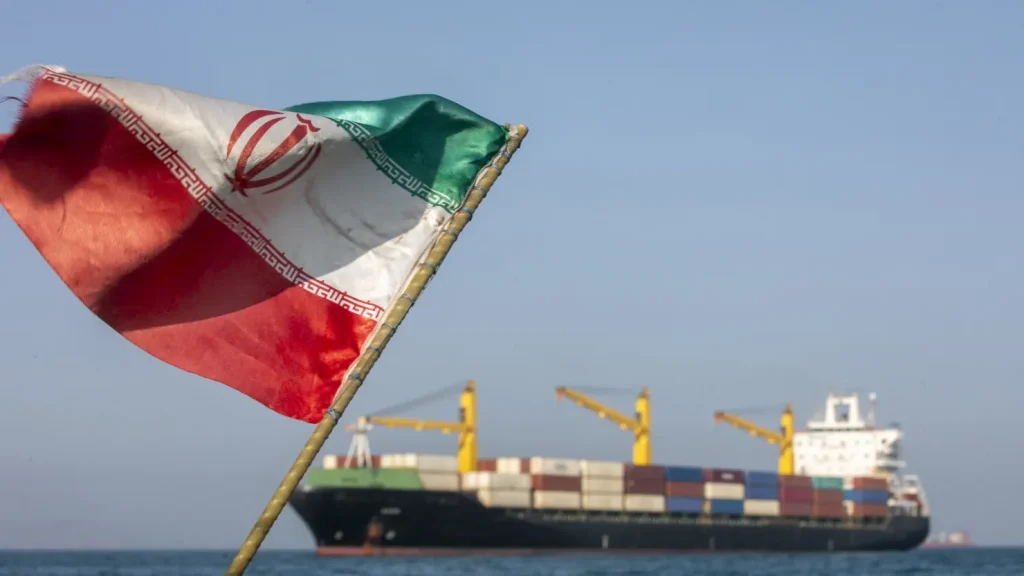
The disruption in global shipments caused by the ongoing Middle East conflict has strained LPG supplies in India, which heavily relies on imports through the Strait of Hormuz. Although the Iranian authorities are allowing Indian vessels to pass, uncertainties persist, leaving many shipments delayed.
India’s government insists there is no nationwide LPG shortage and has increased domestic production while securing imports from the US, Russia, and Australia. Authorities have urged citizens to stop “panic ordering,” but informal networks, which many migrant workers rely on, remain disrupted.
Workers earning modest incomes—around 15,000 rupees per month—report being unable to afford inflated prices at local refilling centers, where cylinders now cost nearly four times the normal price. The shortage has also pushed some towards more polluting fuels like firewood, kerosene, and coal, which are unsafe for indoor cooking in cramped living spaces.
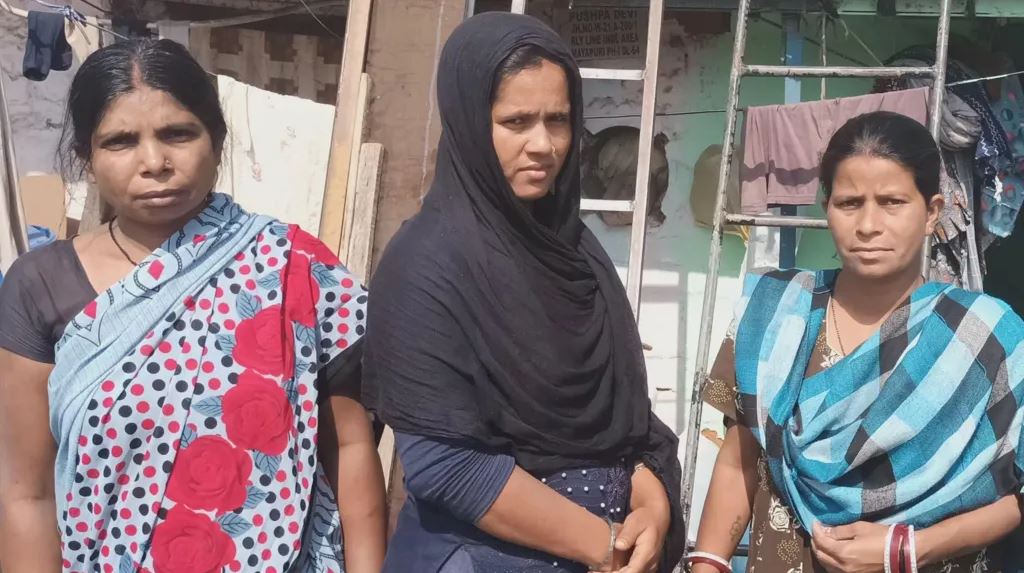
Visuals from railway stations and bus terminals show large numbers of migrant workers leaving cities such as Delhi, Mumbai, Bengaluru, Chennai, and Hyderabad. The exodus is affecting industries that rely on low-cost labour, including textiles, jewellery, ceramics, and construction.
Trade unionist Rajesh Kumar explains that many migrant workers lack the documents needed for official LPG connections in urban areas. Informal vendors who used to serve these workers have either shut down or are charging prohibitive prices.
Some families see returning home as a temporary relief. “We will not starve in the villages,” says Pushpa Devi, a resident of Delhi’s slums. Meanwhile, individuals like Ramnaresh Yadav have already sold personal belongings and prepared their families for rural life due to uncertainty in the cities.
Experts warn that continued reverse migration could have serious repercussions on India’s micro, small, and medium enterprises, particularly in labour-intensive sectors.
While some hope conditions improve once the Middle East conflict ends, the current shortage highlights the vulnerability of informal migrant workers to global supply chain disruptions.