
The latest shooting incident at the White House Correspondents’ Dinner has once again highlighted a troubling and familiar pattern of political violence in the United States, raising concerns about security, political rhetoric, and deepening divisions.
For many attendees, the scene brought back memories of past attacks. Among those present were individuals personally affected by political violence, including Congressman Steve Scalise, who survived a 2017 shooting, and Robert F. Kennedy Jr., whose family has a history marked by assassinations. Journalists in attendance also recalled the 2024 rally attack in Pennsylvania where Donald Trump was injured.
Saturday’s incident marked the third time Trump has been directly targeted in recent years. Similar events, including an attack at a campaign rally and another security threat at his Florida property, have contributed to a growing sense that political violence is becoming more frequent in the country.
Observers note that these incidents often follow a predictable cycle. In the immediate aftermath, leaders call for unity and reduced political tensions. However, this tone is often short-lived, with partisan divisions quickly resurfacing.
Following the latest attack, Trump initially called for national unity. But in subsequent interviews, he blamed political opponents for creating an environment that could lead to such violence, reigniting political tensions.
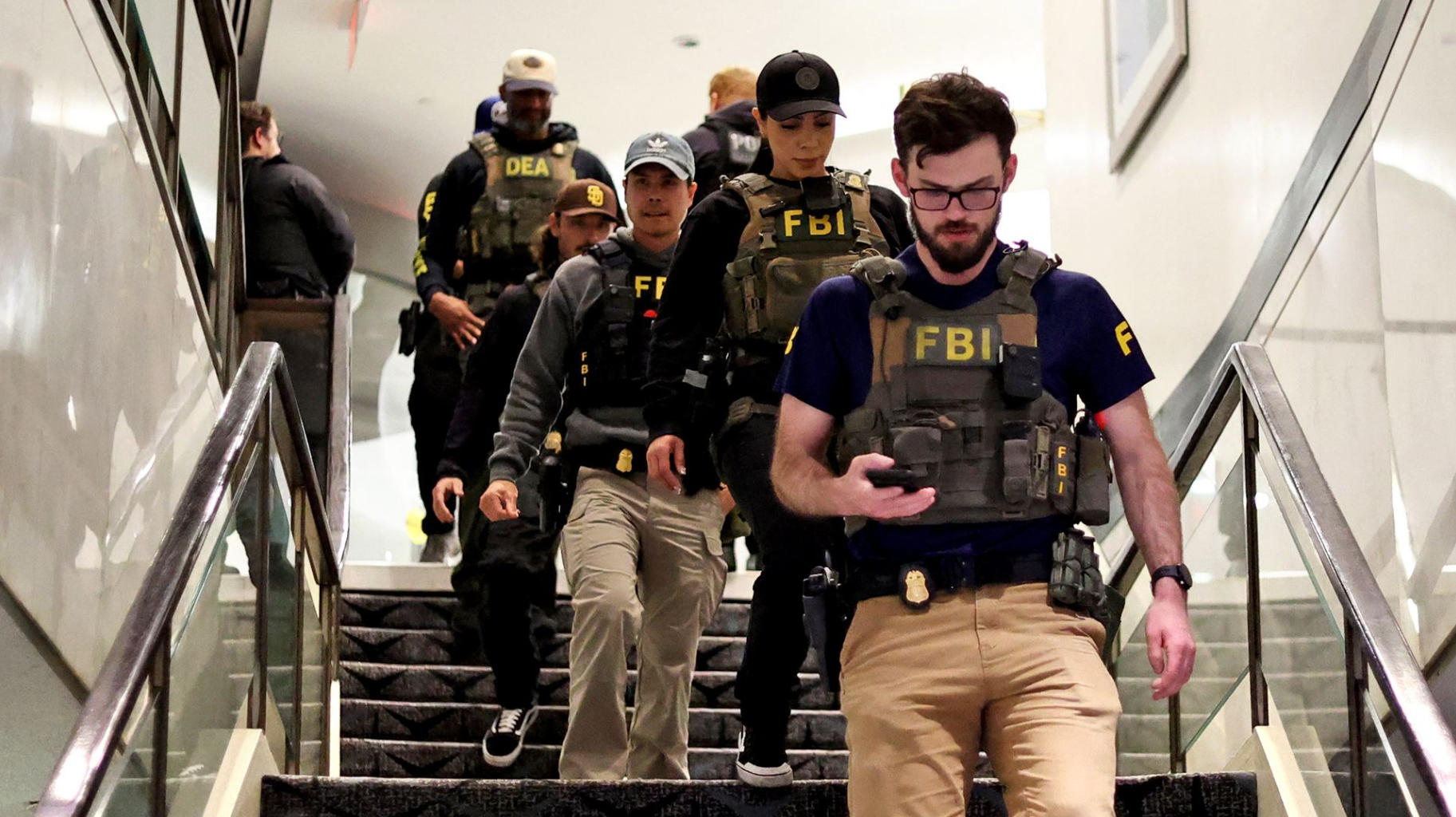
The incident has also renewed focus on security arrangements at major political events. Questions are being raised about how an armed individual was able to breach security and get close to a venue hosting senior government officials.
In response, officials are reviewing security protocols, including screening procedures and perimeter control at high-profile gatherings. Discussions are also underway about future event planning, particularly with upcoming national celebrations and political campaigns.
Some Republican lawmakers have proposed new measures, including the construction of a more secure venue for large presidential events. Supporters argue this would improve safety, while critics question whether such steps would address broader concerns.
As the United States approaches upcoming elections, security challenges are expected to increase. While tighter protection measures may reduce immediate risks, analysts warn that limiting public appearances could carry political consequences.
The latest incident underscores an ongoing challenge for the country: balancing public engagement with safety, while addressing the deeper political divisions that continue to fuel instability.