
Musk vs Altman Trial Puts OpenAI’s Future—and Jury Neutrality—Under the Spotlight
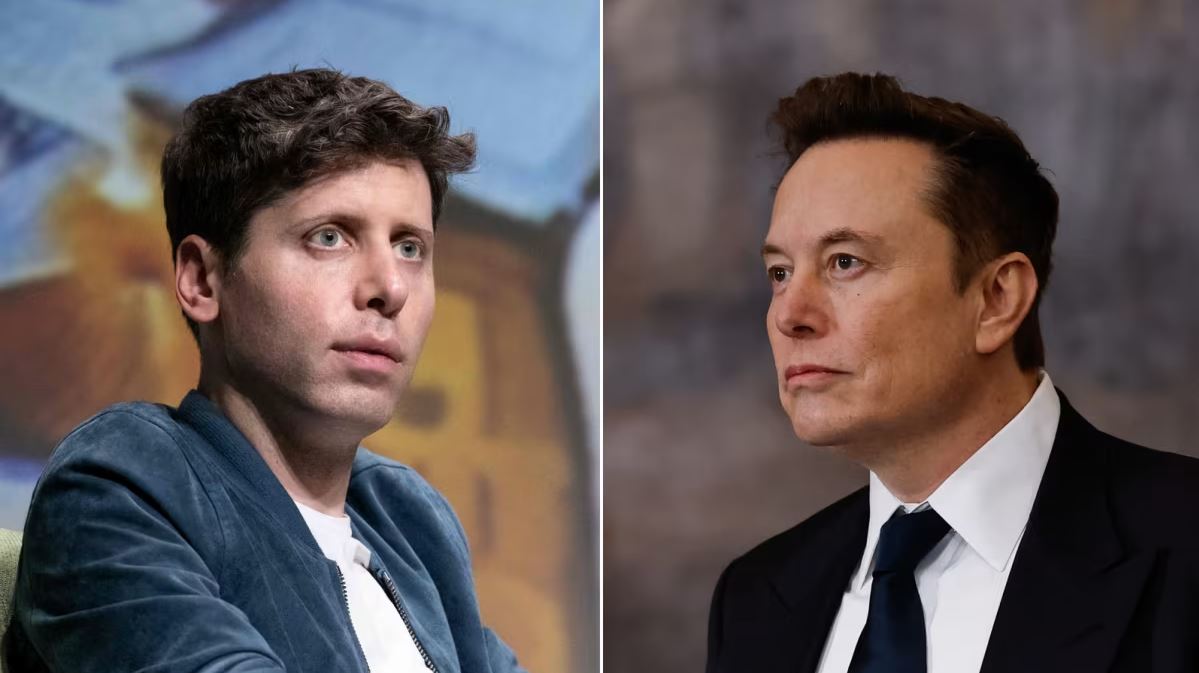
A high-stakes legal battle between Elon Musk and OpenAI CEO Sam Altman is set to begin in court, raising questions not only about the future of artificial intelligence but also whether an impartial jury can fairly decide the case.
The lawsuit, filed by Musk against OpenAI, Altman, and other executives, will examine allegations that the company strayed from its original nonprofit mission and misled its co-founder during its transition toward a for-profit structure. The trial is expected to feature testimony from some of the most influential figures in the global tech industry.
The case arrives at a critical moment for OpenAI, which is reportedly preparing for a major initial public offering. A ruling in Musk’s favor could significantly disrupt those plans and potentially reshape the company’s leadership structure.
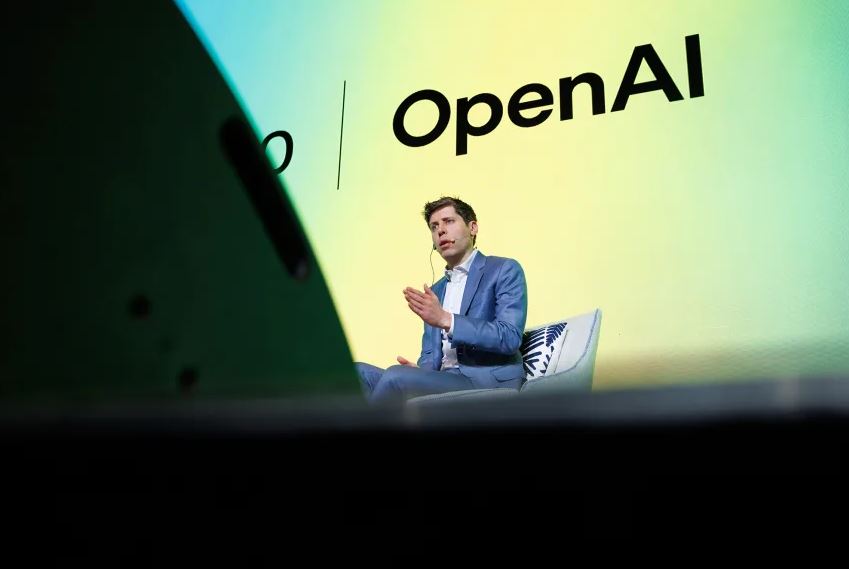
At the heart of the dispute is Musk’s claim that OpenAI abandoned its founding purpose—to develop artificial intelligence for public benefit—after transitioning into a for-profit model. He alleges breach of charitable trust and unjust enrichment, and is seeking over $130 billion in damages, along with structural changes to the company.
OpenAI, however, argues that Musk himself once supported a for-profit direction and left the organization after failing to gain full control. The company has described the lawsuit as motivated by competitive tensions, particularly as Musk now leads his own AI venture, xAI.
Legal experts say the case will test not only corporate governance in emerging technologies but also the ability of jurors to remain impartial. Many potential jurors may already have strong opinions about Musk, Altman, and artificial intelligence, making jury selection unusually complex.
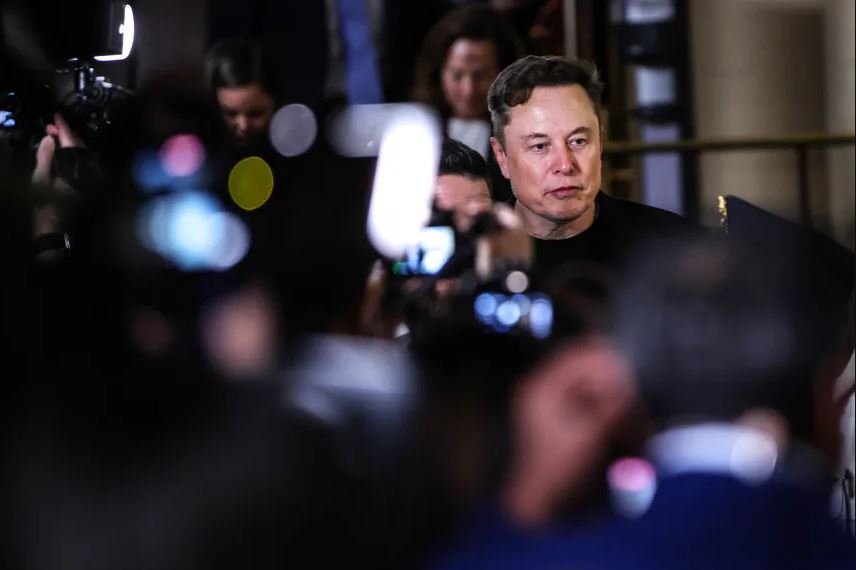
To address this, the court is expected to call a larger-than-normal pool of candidates. Jurors will be asked to evaluate the case based solely on evidence, despite widespread public familiarity with the figures involved.
The trial is also expected to include testimony from major tech leaders and extensive internal communications, including emails and messages that could shape the narrative on both sides.
While jurors will provide an advisory ruling on liability, the final decision on remedies will rest with the judge.
Legal analysts say the outcome may hinge less on technical arguments and more on which side presents a clearer, more credible narrative to the jury.
As one expert noted, the case is not only about AI or corporate structure—but also about trust, intent, and competing visions of the future of technology.