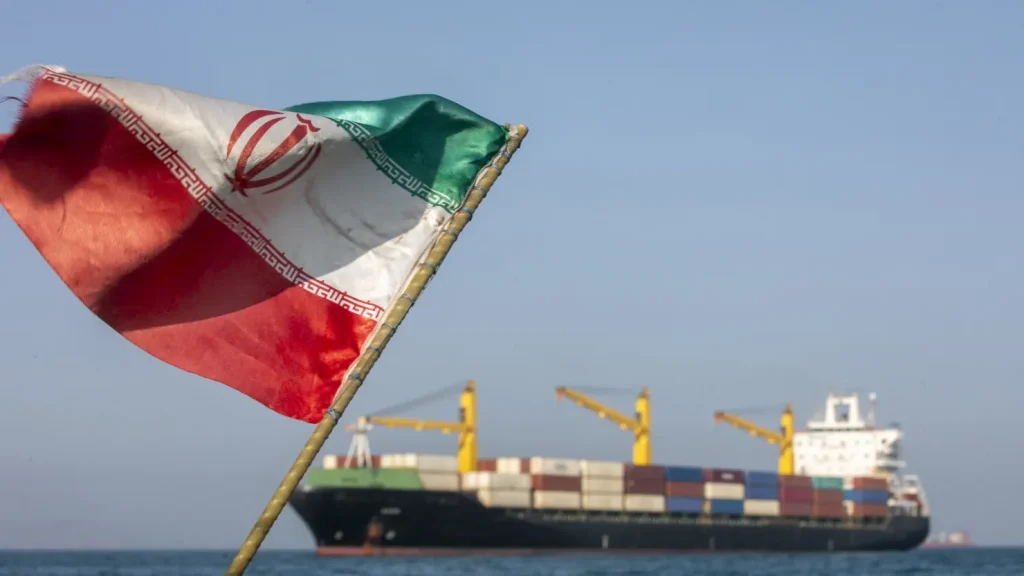
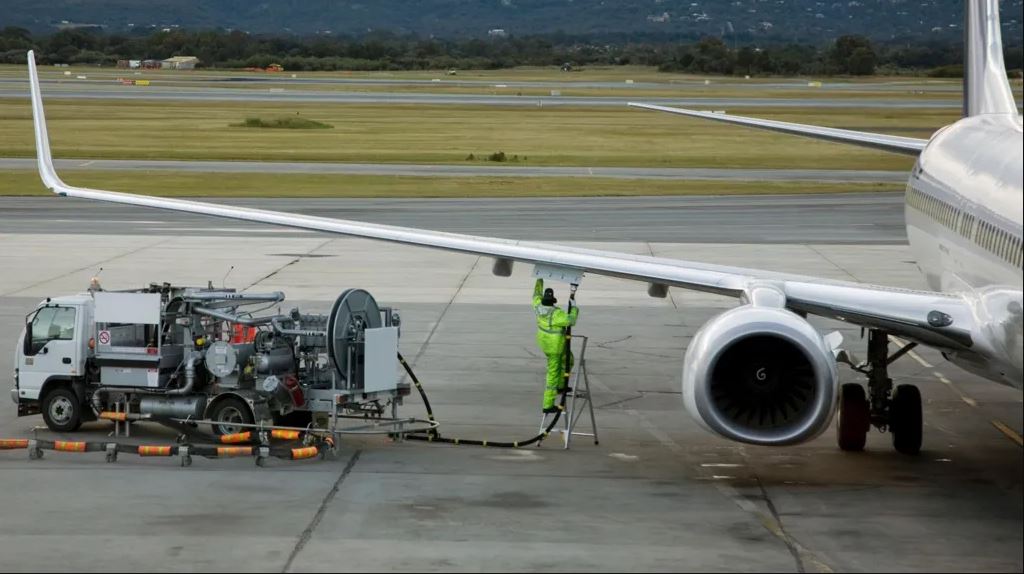

The European airline industry has warned that Europe could face jet fuel shortages within three weeks if the Strait of Hormuz does not reopen.
The Strait of Hormuz is one of the world’s most important oil shipping routes, and the Persian Gulf supplies around 50% of Europe’s aviation fuel imports. Any prolonged disruption is expected to have a major impact on air travel across the continent.
Airports Council International (ACI) Europe, which represents airports across the region, said its members are increasingly concerned about jet fuel availability as the summer tourism season approaches. The organisation warned that smaller airports are particularly vulnerable to supply disruptions.
In a letter to European commissioners for energy and tourism, ACI Europe director-general Olivier Jankovec said a supply shortage could severely disrupt airport operations and air connectivity, with wider economic consequences for local communities.
He added that if the situation at the Strait of Hormuz does not stabilise within three weeks, a systemic jet fuel shortage in the European Union could become a reality.
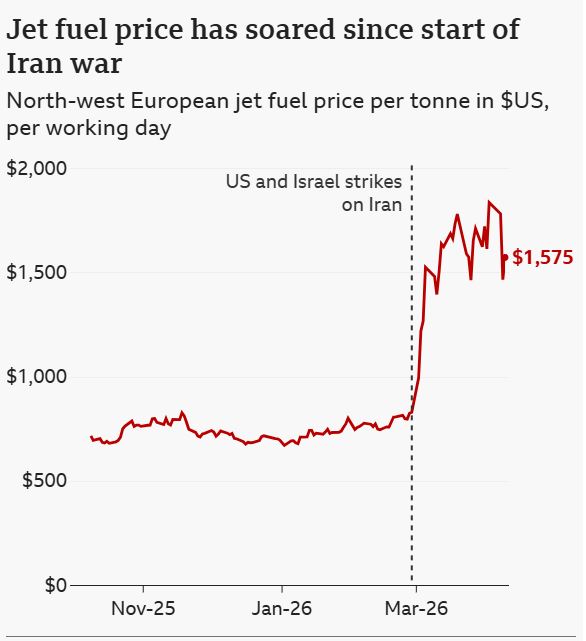
Several airlines have already reduced flight operations and increased ticket prices due to rising fuel costs and supply concerns. Last week, European jet fuel prices reached record highs, further increasing pressure on the aviation sector.
ACI Europe has urged the European Union to take immediate action, including coordinated fuel purchasing and temporary easing of import restrictions, arguing that market forces alone are not enough to manage the crisis.
The organisation has also highlighted the need to strengthen support for sustainable aviation fuel production, warning that high conventional fuel prices are likely to persist in the long term.
Industry officials say airports handling fewer than one million passengers annually are already struggling financially and could face further risks if fuel shortages worsen.
The aviation sector contributes hundreds of billions of euros to Europe’s economy each year and supports millions of jobs, making any disruption a significant economic concern across the region.